
Toward a Theology of Arts and Mission
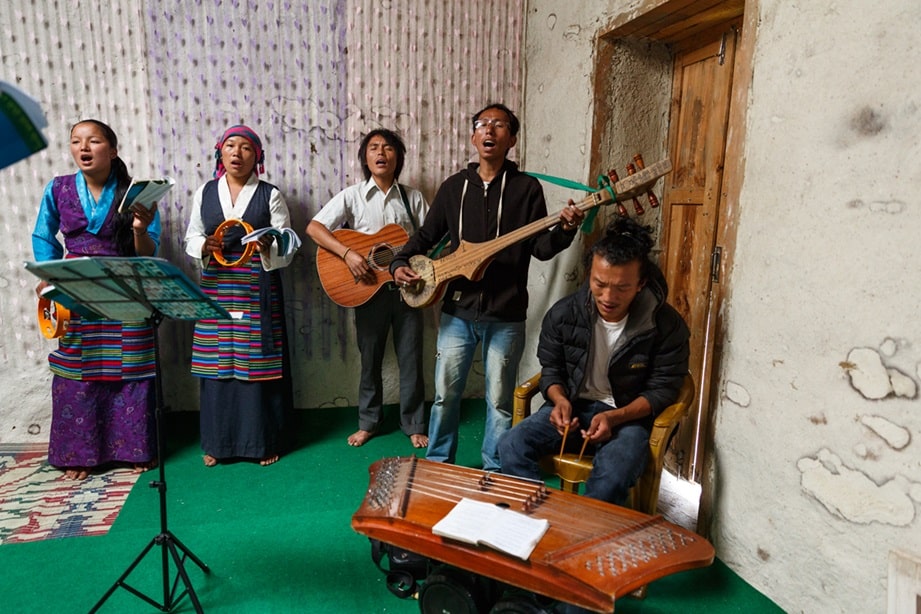
By James R. Krabill | Artistic expressions are reshaping Christian mission and worship globally. As global churches increasingly contextualize their faith, the arts emerge as a powerful tool that increases spiritual depth and provides a more holistic understanding of the Christian experience.
Collaborative Contextual Theology: Lessons from Thailand

By Steve Taylor | Contextualizing theology is challenging, and discernment is needed to know the difference between biblical truths and cultural beliefs. Local and outsider perspectives can benefit these discussions. A three-step framework used by the Thai Christian Thinkers group offers helpful guidance on how to do this well.
A Paradigm for Family Integrated Evangelism in Islamic Cultures
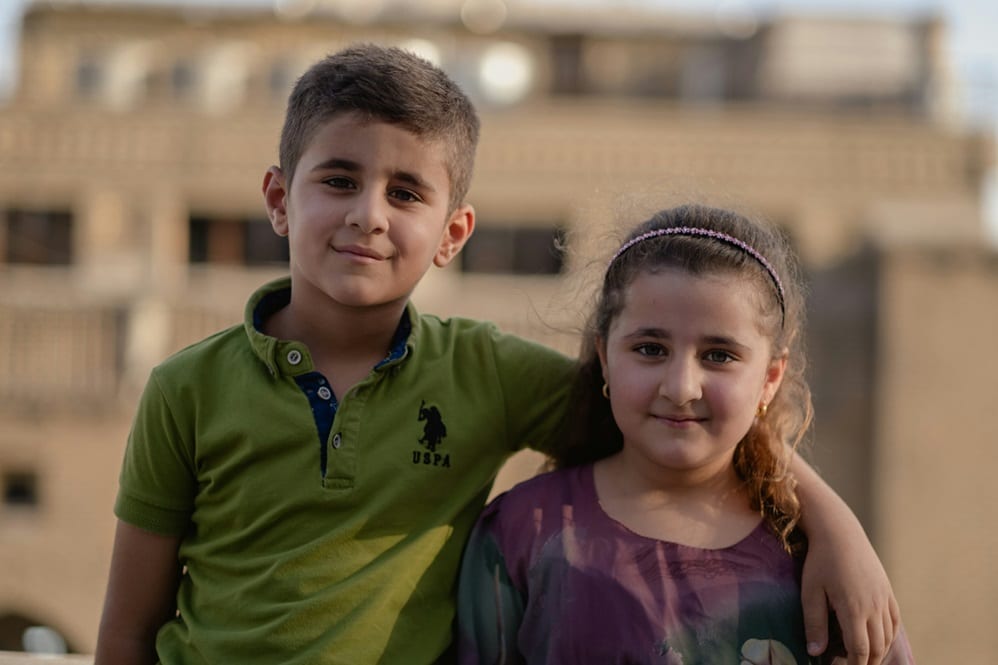
By George Dumitrascu | Over two billion people identify as Muslims worldwide. Due to globalization, they live across the world and are our neighbors and co-workers. This makes it even more important to understand their context. Approaching Muslims with the gospel from an individualist perspective is often unsuccessful. A shift in approach to a family-based incarnational ministry using a contextualized house-church model could improve missions outcomes.
The Centrifugal Gospel: Recovering the Outward Movement of God’s Mission

By Chris McMillan | The gospel is dynamic and outward-moving. This centrifugal nature of the gospel contrasts with the centripetal approach prevalent in the West. Chris McMillan urges a return to the biblical mandate of “Go and Tell.” He calls for a revival of missionary vigor to counter institutionalization of the church.
The Good News of Re-Inheritance and Disability

By Chris Masiscoming* | As a Christian working in disability ministry, I’ve discovered profound connections between Psalm 82, Jesus’s mission, and our call to justice. This psalm reveals how God is reclaiming his inheritance – including people with disabilities – from rebellious spiritual authorities.
Grafted Together to Fulfill God’s Mission

By Christi Trimbur | Kinship unity develops when diverse members graft together to form one entity. When those groups choose to humbly reach out to each other in acceptance, true partnership or koinonia naturally follows.
The Kingdom’s Embrace of People with Disabilities
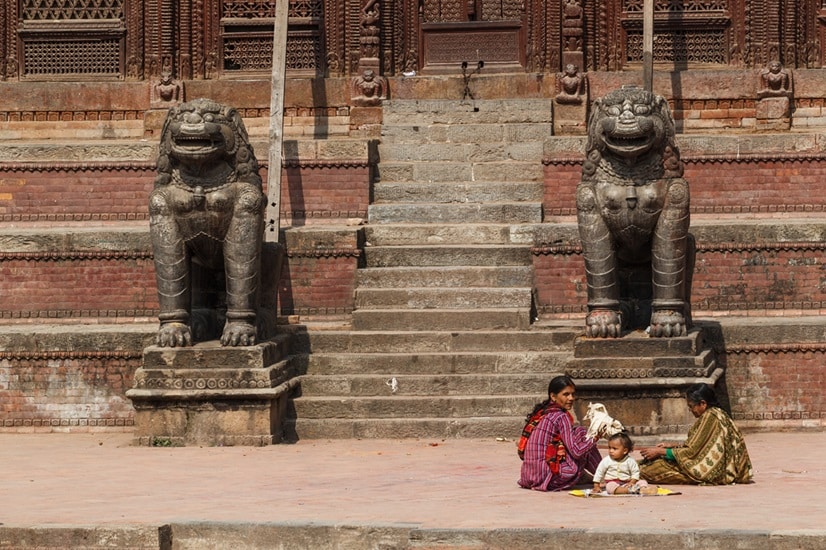
By “Amos” Ming Raj Gurung | Every person, with or without a disability, matters in the kingdom of God. God has a special focus on those who are weak and disabled. This was demonstrated in Jesus’s ministry as he served people with disabilities and brought them honor when society had rejected them.
The Inclusive Missio Dei
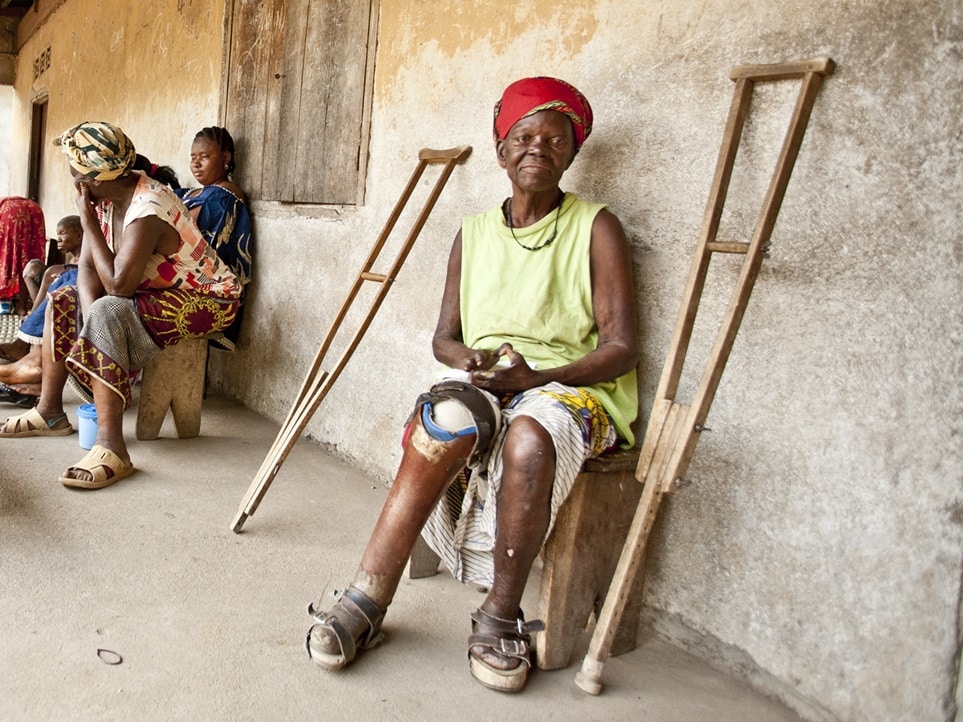
By Kim Kargbo | At least 16% of the world’s population has a disability, and only 5–10% of them have heard the gospel. This makes people with disabilities the world’s largest unreached people group.
On Mission Together as the Whole Body of Christ
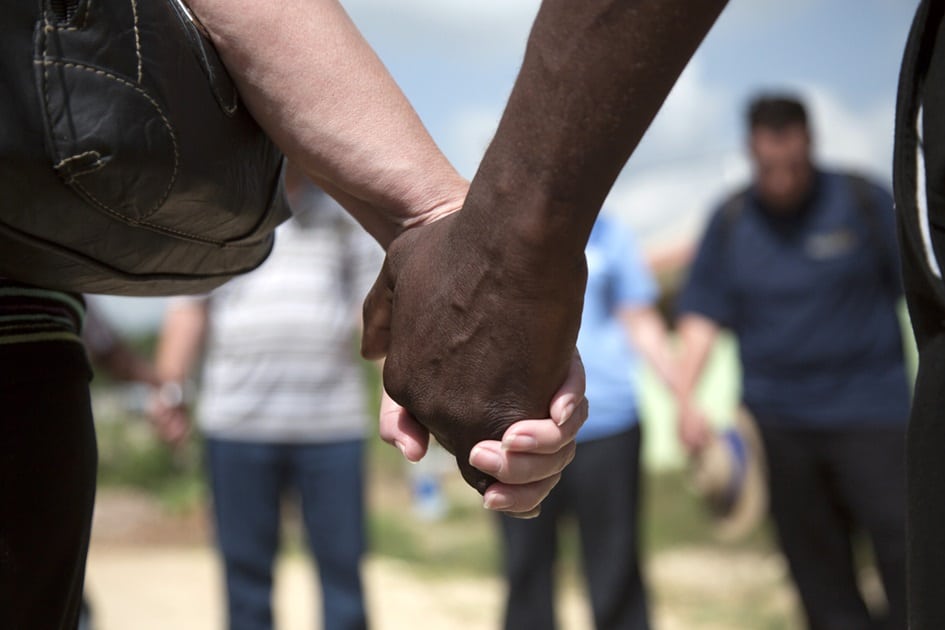
By Linda P. Saunders | As image bearers, it is time to take our rightful place as an inclusive body of believers that reflects the foot of the cross as well as the worshippers around the throne – all nations, all people groups, and all tongues.
Defining Mutuality in a Missiological Frame
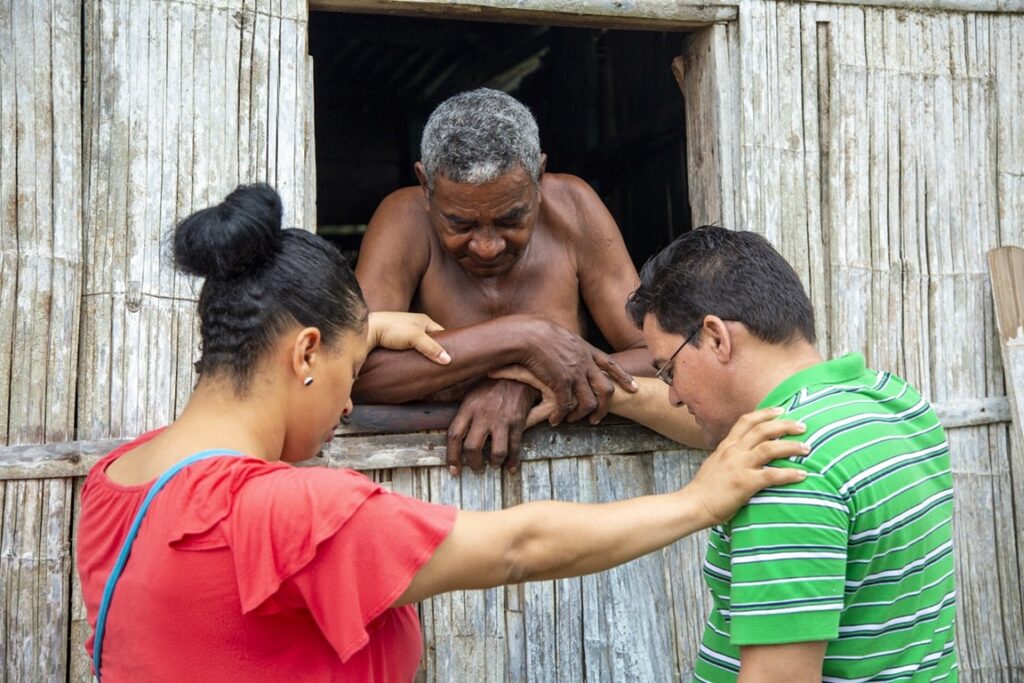
By Ted Esler | Mutuality can be a powerful concept in missiology. It captures a sense of how Christ came to us in his earthly ministry, emptying himself to serve others. Using the word mutuality in missiology requires a different definition than what we find in other areas of interest. Mutuality can inform and speak into our approach to missions and is already being used in various ways by those taking the gospel into new cultures and places.