
Insights on Arts and Mission in Oral Cultures
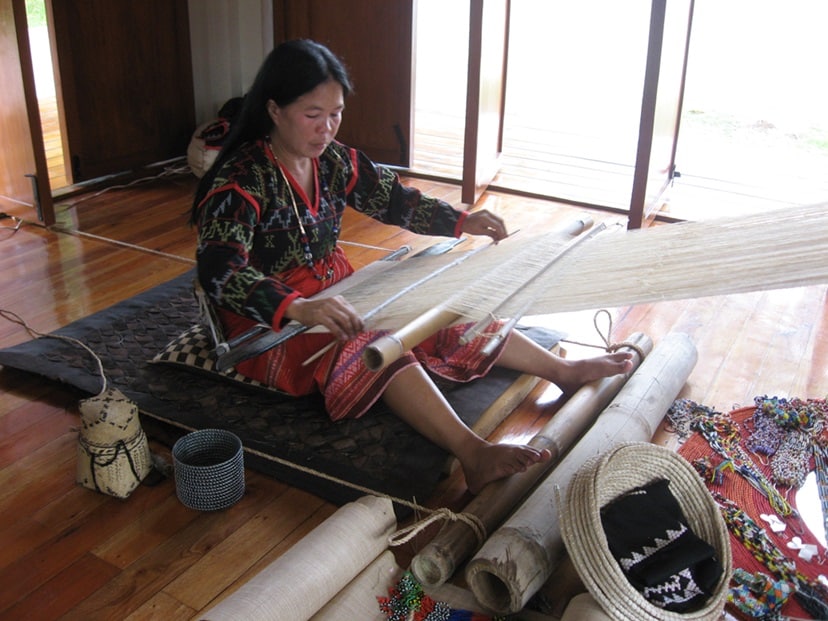
By Rocelyn A. Madinger | After personally experiencing the power of the arts in my own life, I’ve discovered how the arts can be helpful and transformative tools for workers to bring the good news to oral cultures. The arts reflect the values of and dynamics in a community, bridge generations, and aid in discipleship. They also provide avenues for the hearers of the gospel to creatively and meaningfully express their understanding of the gospel, their growing faith, and their worshipful response to God.
The Arts in Conversation with First Nations Peoples
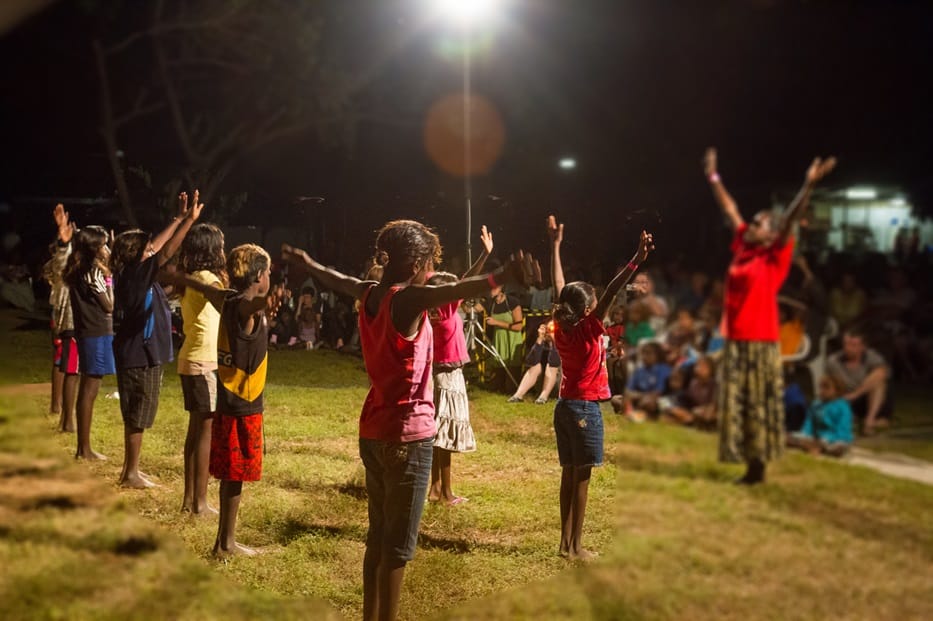
By Jhonny A. Nieto Ossa | Finding and encouraging Indigenous cultural expressions that harmonize with Christian faith rather than bringing in and teaching established Western cultural expressions has proven to be a far more effective means to spread the gospel. As Indigenous arts are encouraged, they are reshaping global Christianity and fulfilling God’s diverse, multicultural vision of the body of Christ.
Collaborative Contextual Theology: Lessons from Thailand
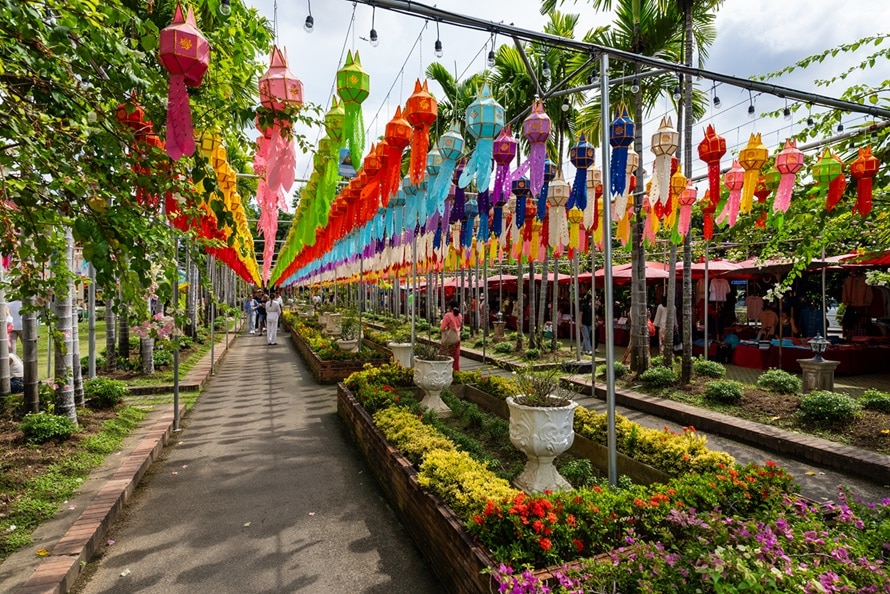
By Steve Taylor | Contextualizing theology is challenging, and discernment is needed to know the difference between biblical truths and cultural beliefs. Local and outsider perspectives can benefit these discussions. A three-step framework used by the Thai Christian Thinkers group offers helpful guidance on how to do this well.
Creating Sacred Songs in Waorani
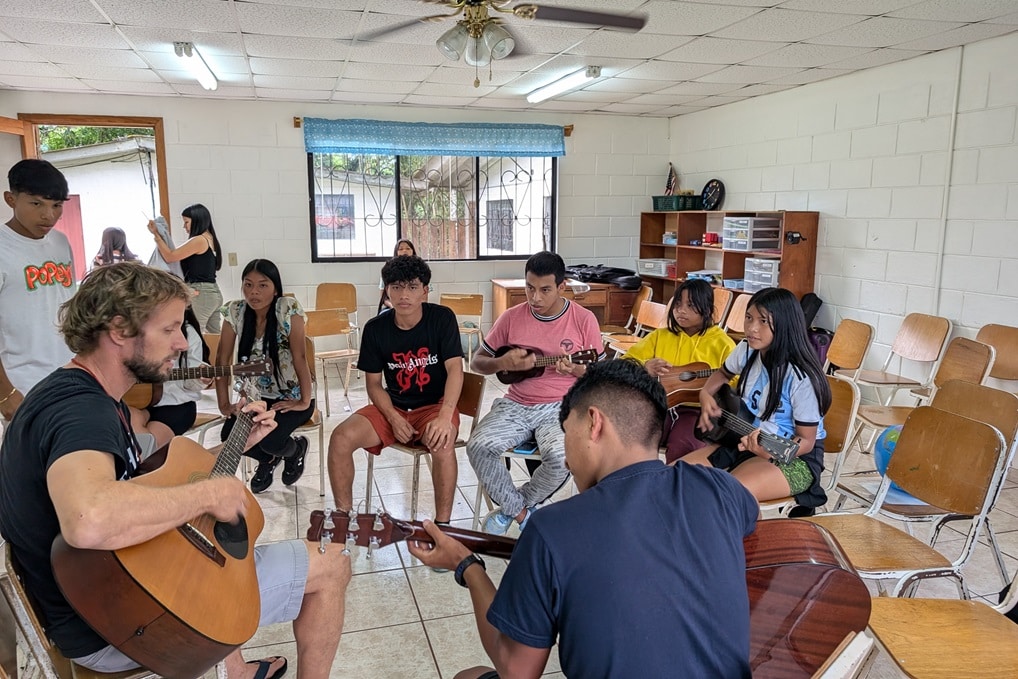
By Matt Connor and Rachelle Dell | God continues to work in the lives of the Waorani people of Ecuador. Recently, the community participated in a songwriting workshop to create new worship songs. Through translation challenges and cultural discoveries, we learned that authentic worship often means returning to traditional tunes while creating new meanings. Watch how God works when we let indigenous voices lead the way.
A Paradigm for Family Integrated Evangelism in Islamic Cultures
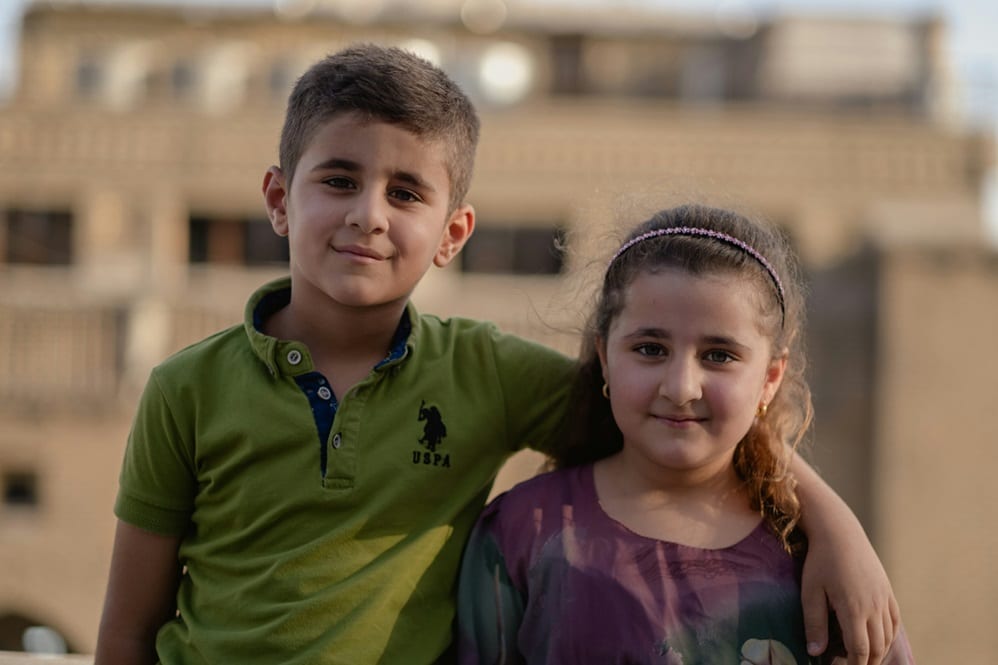
By George Dumitrascu | Over two billion people identify as Muslims worldwide. Due to globalization, they live across the world and are our neighbors and co-workers. This makes it even more important to understand their context. Approaching Muslims with the gospel from an individualist perspective is often unsuccessful. A shift in approach to a family-based incarnational ministry using a contextualized house-church model could improve missions outcomes.
Outside a Building: Worshipping in Natural Spaces
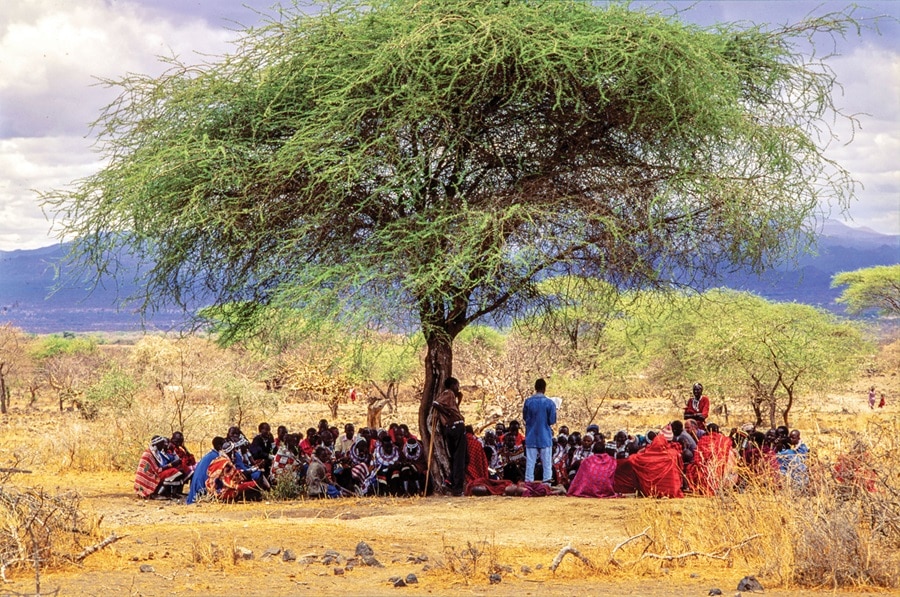
By Abel Stewart | Worshiping outdoors offers rich possibilities to deepen faith, care for creation, and transform spaces into sacred places. It has a long history starting in biblical times and continues through modern movements like Forest Church. Intentionally participating in outdoor worship provides a way for any Christian community worldwide to rediscover God’s first sanctuary and its profound impact on our spiritual lives.
Hospitality and Cuisine: Creating a Welcoming Space

By Jaewoo Kim | The arts of hospitality and shared meals offer a warm welcome to a global community into the church while sustaining the relationships of those already following Christ. Yet to do this well requires intentionality.
Engaging Scientists Through the Visual Arts
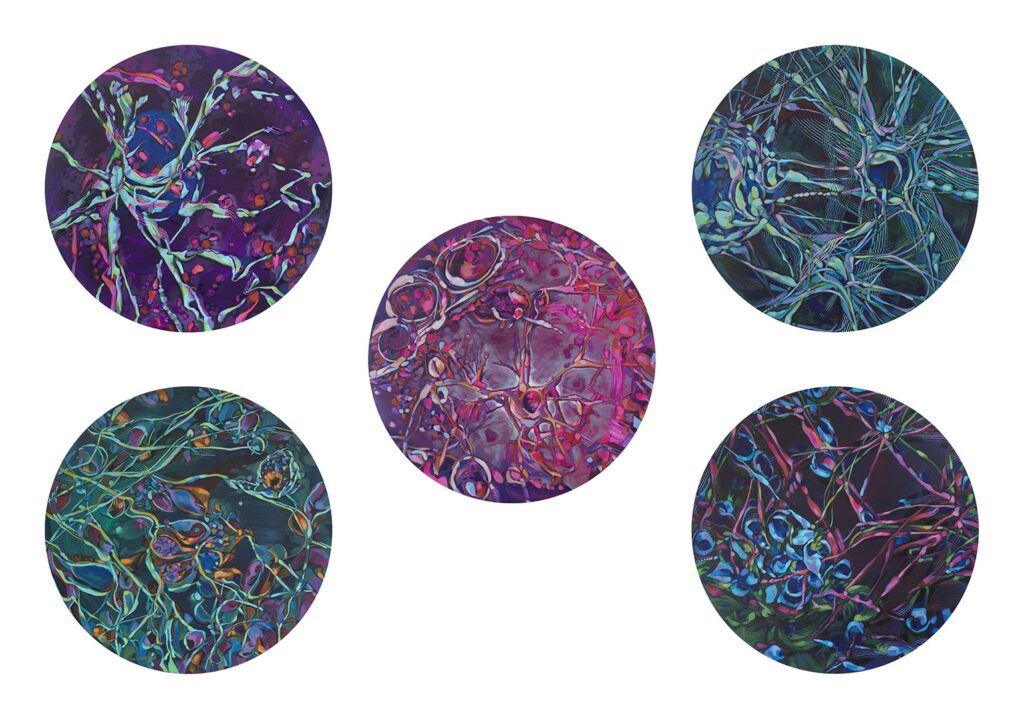
By Geinene Carson | When my daughter was diagnosed with a rare genetic disorder around a decade ago, my life changed radically. An abrupt introduction to the demanding world of caregiving disrupted art making and ministry as I had previously known it. However, I eventually discovered that this environment I now found myself in was an unanticipated source of inspiration.
Reimagining the Arts in Mission

By Heather Pubols | The arts have long been an important part of missions. Yet a historical preference for importing Western art forms into non-Western contexts left Christianity feeling culturally foreign. A shift towards encouraging local arts is inspiring authentic global Christian expressions across cultures and transforming missions.
The Function of Emotions and the Arts and Missions
By David R. Dunaetz | “Letters to the Editor” is a forum for readers to share further thoughts about previously published articles, agreeing, disagreeing, extending or taking the conversation in new directions. “Letters” can also raise new issues.