
Contextualization Can Be Messy
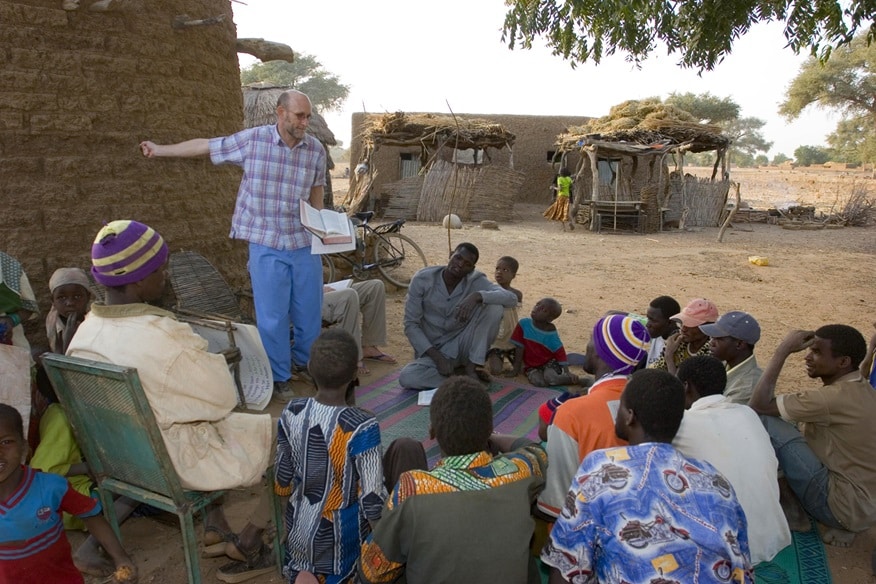
By John Devalve | My wife and I lived in a remote predominantly Muslim region of West Africa with few believers for more than a decade. Not long after we arrived, I faced a new challenge: contextualizing a rite of passage ceremony for a new community of Christ followers.
United in Christ to Spread the Gospel

By Ximena Cardona Bastidas | God created a world full of variations, and we move within this diversity. God designed these differences to foster complementarity, interdependence, and innovation. But all of us, through the union in Christ, work together to fulfill the same objective: that no one is left without hearing, understanding, and responding to the word of God.
Revamping the C-Spectrum for Contextualization
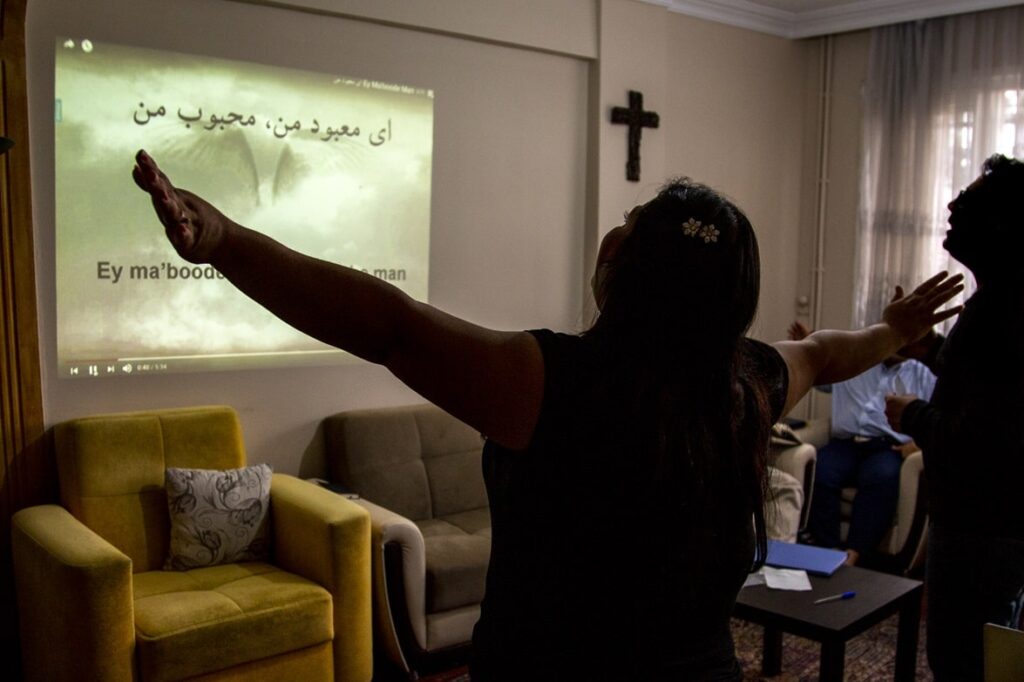
By Harley Talman | The C-Spectrum introduced more than 20 years ago provided a tool to categorize different types of Christ-centered communities among Muslims. The Foreignness-Spectrum, or F-Spectrum, focuses on foreignness as the point of reference in appropriate contextualization. It gives needed correction to the C-Spectrum while also building on the C-Spectrum’s foundation.
Equipping the Black Church for Global Mission
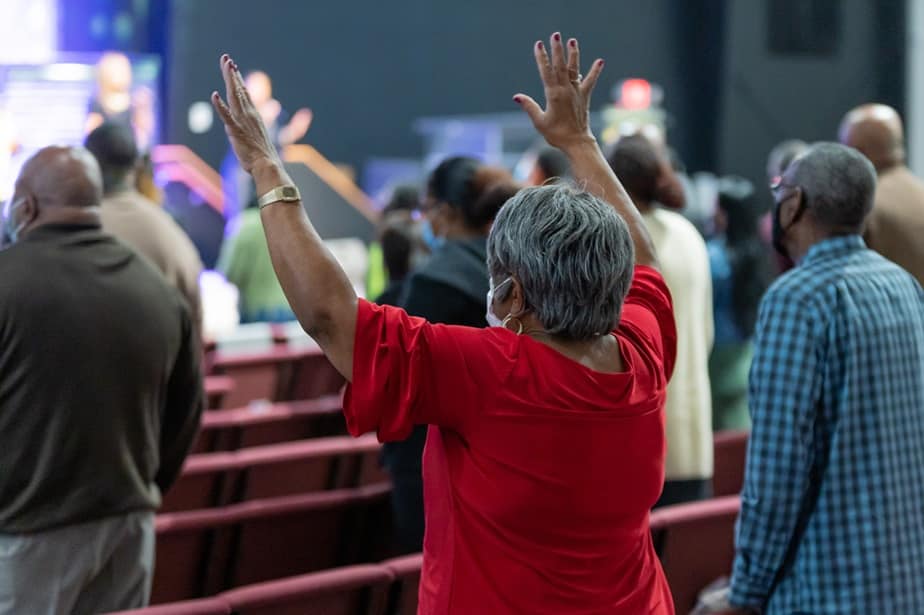
By Phyllis Johnson | The Black church has been underrepresented in global mission for more than 100 years. An appropriate educational model for missiological theology contextualized for the African American church is one way to help African Americans become more engaged in global missions once again.
Contextualization and Amazonian Indigenous Peoples

By Irma Espinoza | For the gospel to be most effectively received, it must be oriented to the receiver. This contextualized approach safeguards the fidelity of the meaning of the gospel while at the same time ensuring it reaches the heart of the receiver. Only a heart-felt comprehension of the gospel leads people toward God’s true transformation.
Was Paul a ‘Missionary’?
By Phil King | Michael Stroope’s book, Transcending Mission, offers a semantic challenge on the use of the words mission, missionary and missional. He believes we distort history when we use these words to describe biblical people and activities. Using a cognitive linguistic lens, we can evaluate his claims .
Can Digital Make Us Human Again?
By Justin Sooter | How can Christians live in a world where we are glued to screens and where verbal communication seems to be going out of style? How do we do evangelism and engage with our neighbors and friends so that they can hear about Jesus when we barely even talk to each other? Digital technology, the very thing that seems to be enabling our self-destruction, may actually be a part of the solution to bring us together.
Teaching Across Cultures: Contextualizing Education for Global Mission
By James E. Plueddemann
The Contexts of Contextualization: Different Methods for Different Ministry Situations
By Brian A. DeVries