
Navigating Between Worlds
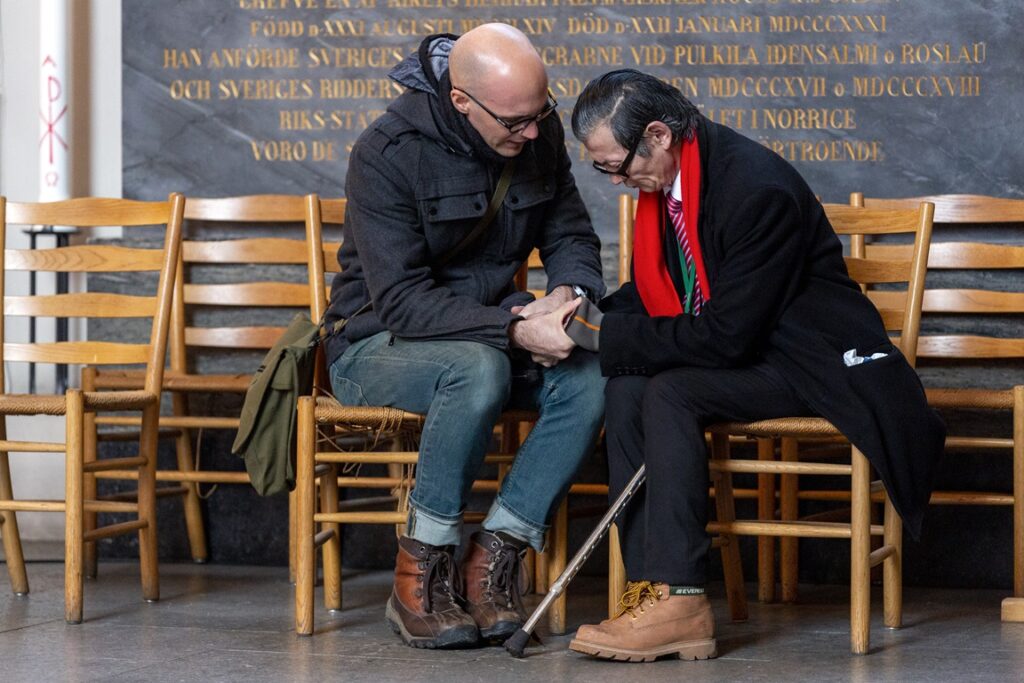
By David R. Dunaetz | Understanding acculturation strategies helps missionaries know what they personally experience and what members of a diaspora community experience. It also provides several insights relevant to diaspora church planting.
Navigating Uncharted Territories
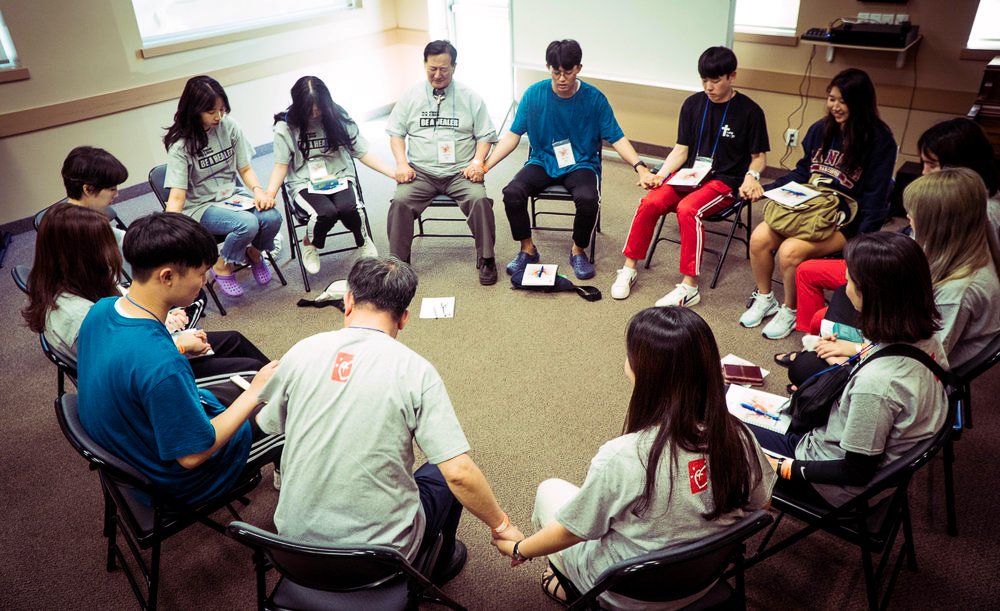
By Chondeug Joseph Jang | In mission history with First Nations in Canada, relationships were broken and Christianity often meant oppressive religiosity. But a missions focus on building genuine relationships and holistic ministry is making a difference.
Contextualization and Amazonian Indigenous Peoples
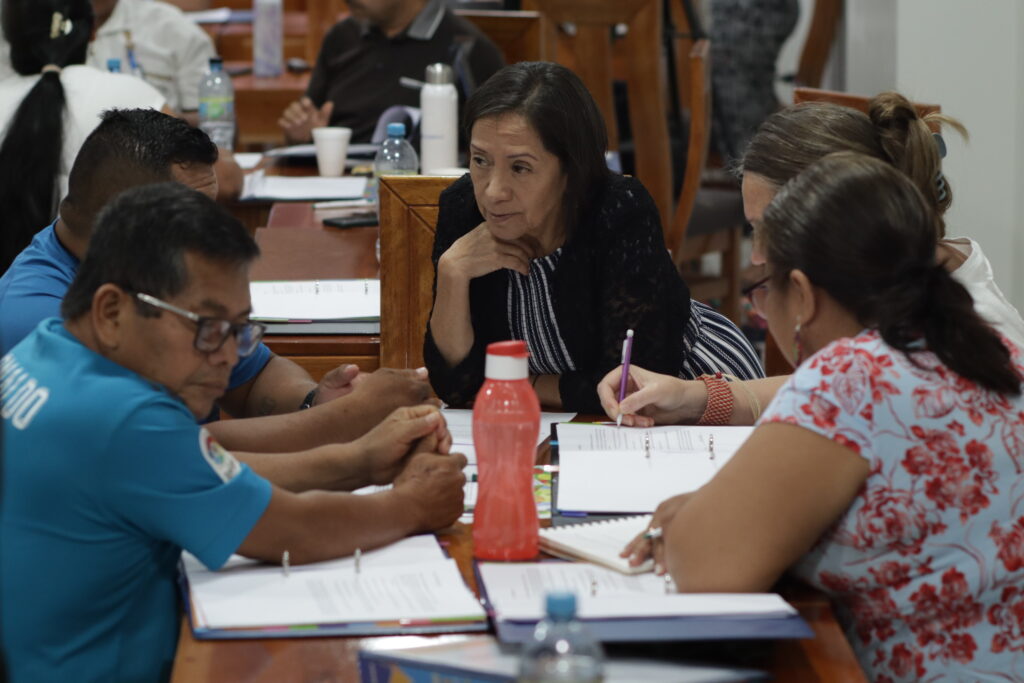
By Irma Espinoza | For the gospel to be most effectively received, it must be oriented to the receiver. This contextualized approach safeguards the fidelity of the meaning of the gospel while at the same time ensuring it reaches the heart of the receiver. Only a heart-felt comprehension of the gospel leads people toward God’s true transformation.
We Are Still Here

By Jenn Brown | I am a Christian and a Native American from the Yuchi tribe. My family’s story reflects the challenges Native Americans experienced when Christian faith was not contextualized to their cultures. Yet I’ve also witnessed how Scripture engagement can honor cultures and bring God glory.
Walking Alongside Our Indigenous Siblings
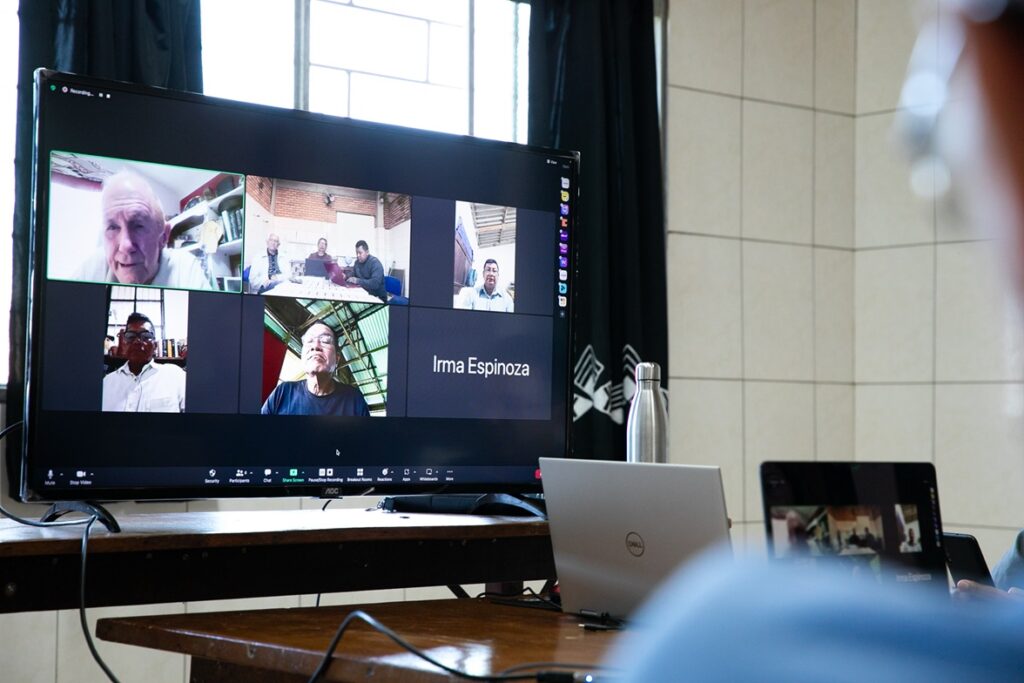
By Heather Pubols | Across the Americas, God is calling foreign, national, and Indigenous believers to find a place alongside and not ahead of each other as they work together to grow the kingdom of God.
On the Refugee Highway: Extending the Embrace of Christ
By Kaisa Golding and Jim Olang | The refugee crisis presents an urgent opportunity for the church to embody the gospel through compassionate action. By welcoming the displaced into congregations, embracing them as family, and grounding efforts in biblical theology, Evangelicals can participate in God’s redemptive work and be a transformative force for refugees.
Rethinking Indian Missions for a Changing World
By Isac Soundararaja | India is poised to play a significant role in global missions beyond its borders, and India’s diaspora will be a major part. Yet fully participating requires rethinking strategy and collaborating with global partners. This brings into view the necessity of Global North and Global South partners learning to work more closely as peers in global mission.
The Afghan Initiative: A New Model for Mission in an Age of Migration?
By Scott Brock | In August 2021, many people fled Afghanistan when US troops withdrew. Afghan believers were a vulnerable group amongst them. Seeing a unique opportunity for Afghan believers to both escape danger and serve as global workers in the US, a local church and ABWE (Association of Baptists for World Evangelism) partnered to bring a group of Afghan believers to the US on religious worker visas.
Adapting Our Approaches for a Mobile World
By Daniel Råsberg | Traditional insider-outsider categories in missions fail to address the complexities of migrant ministry. Relationships, consistency over the long term, cultural bridges, and embracing fluidity of roles are key to navigating varied diaspora contexts. We must rethink static models and humbly collaborate across cultures to minister effectively.
God’s Mission Story Centers on Fellowship
By Collin Cornell | Does God’s faithfulness end when our usefulness runs out? While most Christians would deny this, the way we tell the story of God’s mission reveals otherwise. This places a significant question mark over God’s faithfulness, and it threatens our spiritual formation and our evangelistic integrity.