
United in Christ to Spread the Gospel
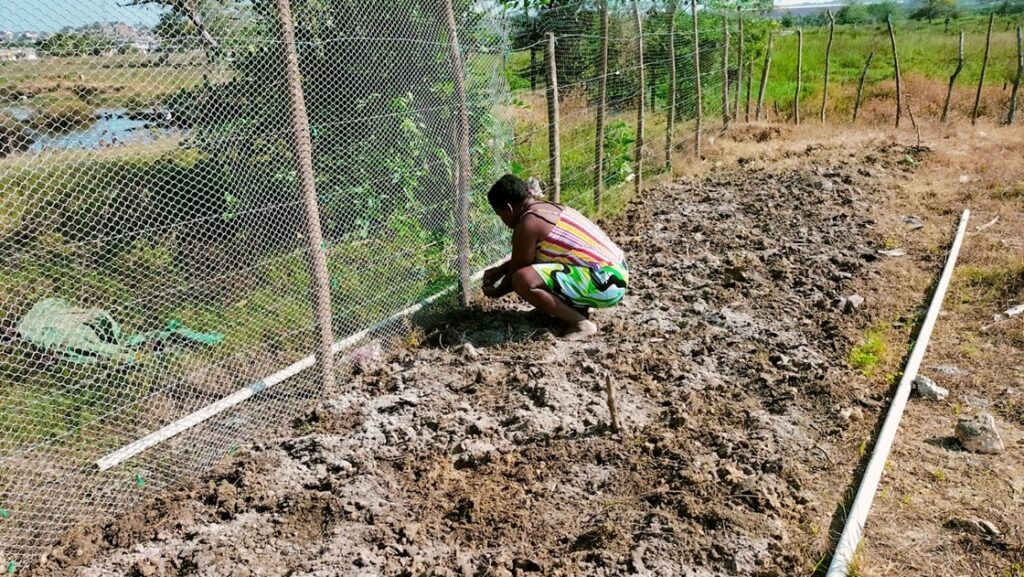
By Ximena Cardona Bastidas | God created a world full of variations, and we move within this diversity. God designed these differences to foster complementarity, interdependence, and innovation. But all of us, through the union in Christ, work together to fulfill the same objective: that no one is left without hearing, understanding, and responding to the word of God.
Revamping the C-Spectrum for Contextualization
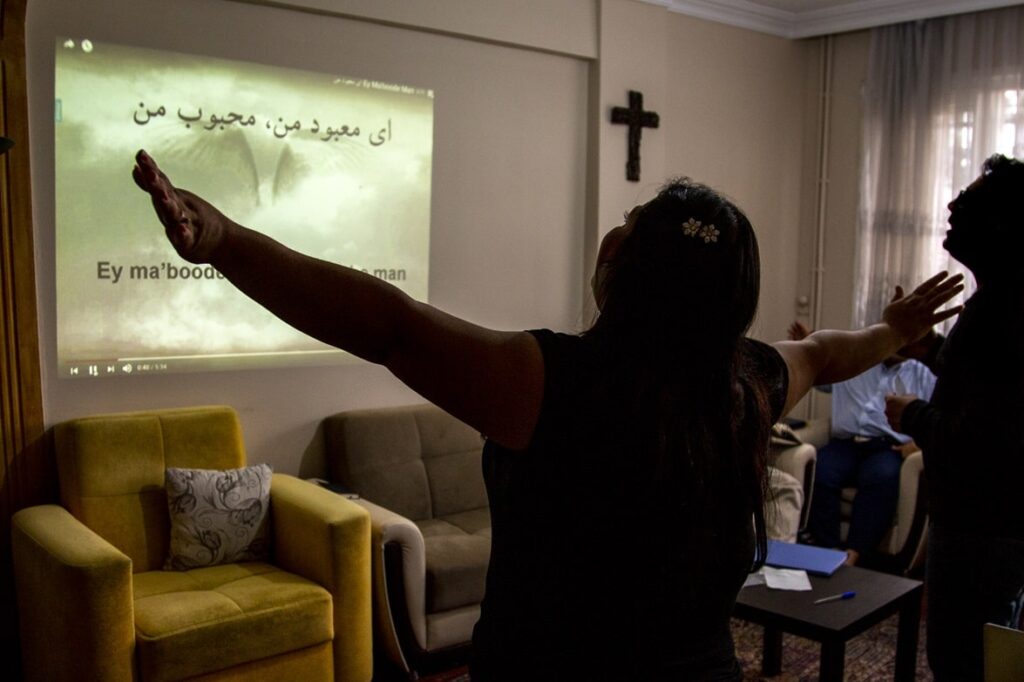
By Harley Talman | The C-Spectrum introduced more than 20 years ago provided a tool to categorize different types of Christ-centered communities among Muslims. The Foreignness-Spectrum, or F-Spectrum, focuses on foreignness as the point of reference in appropriate contextualization. It gives needed correction to the C-Spectrum while also building on the C-Spectrum’s foundation.
Urban Collaborative Ecosystems for Missions
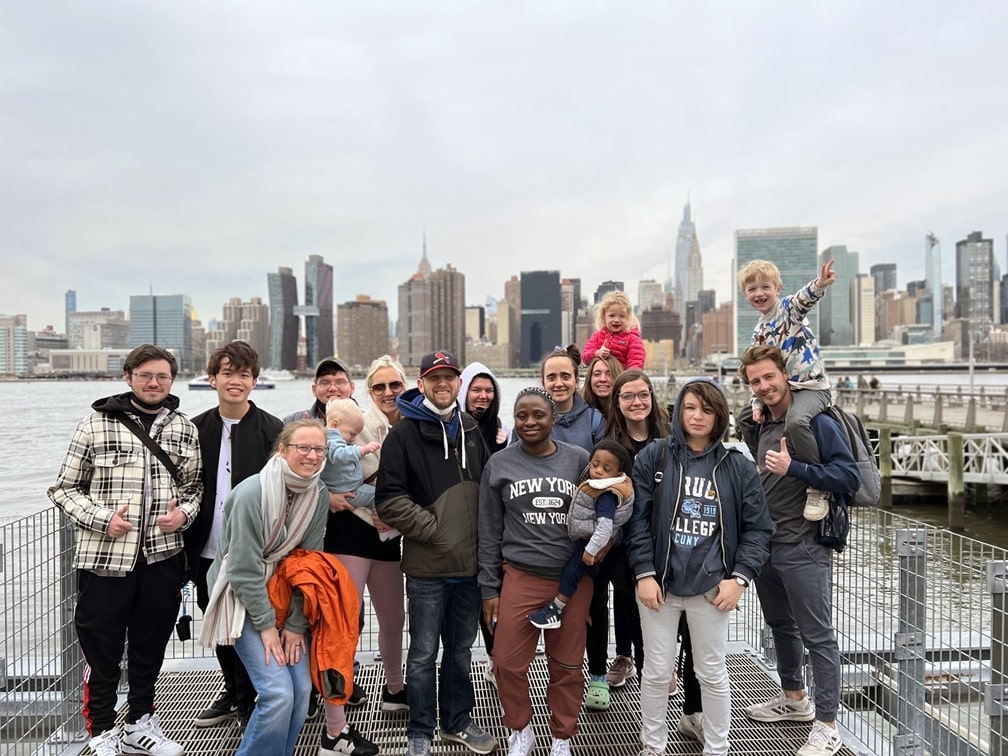
By Don Allsman | God is sending hundreds of unreached people groups (UPGs) from their homelands to other parts of the globe. These UPG communities are no longer only accessible to long-term missionaries. Urban collaborative ecosystems provide a low-cost method to mobilize large-scale service from non-apostolically gifted people to reach the unreached urban diaspora.
Facilitating Dialogue between the Global North and Global South
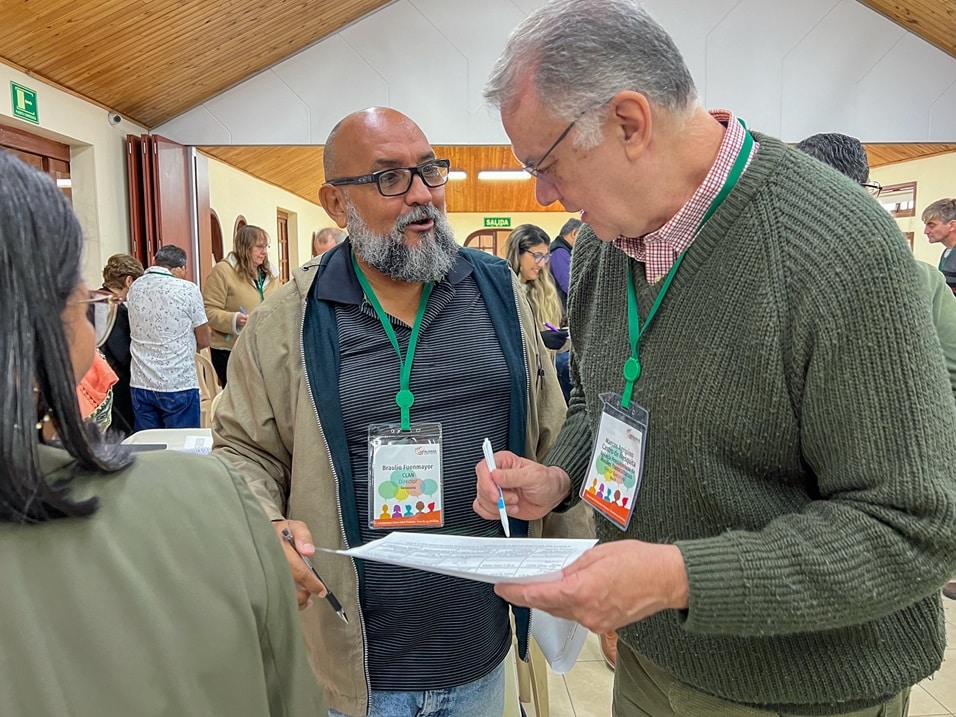
By Sheryl Takagi Silzer | Global mission teams are becoming more and more multicultural. This presents challenges particularly to the work and relationships between people from the Global North and Global South. Facilitated discussions about cultural frameworks can help global workers gain a better understanding of different cultural perspectives.
Reimagining North American Global Missions Engagement
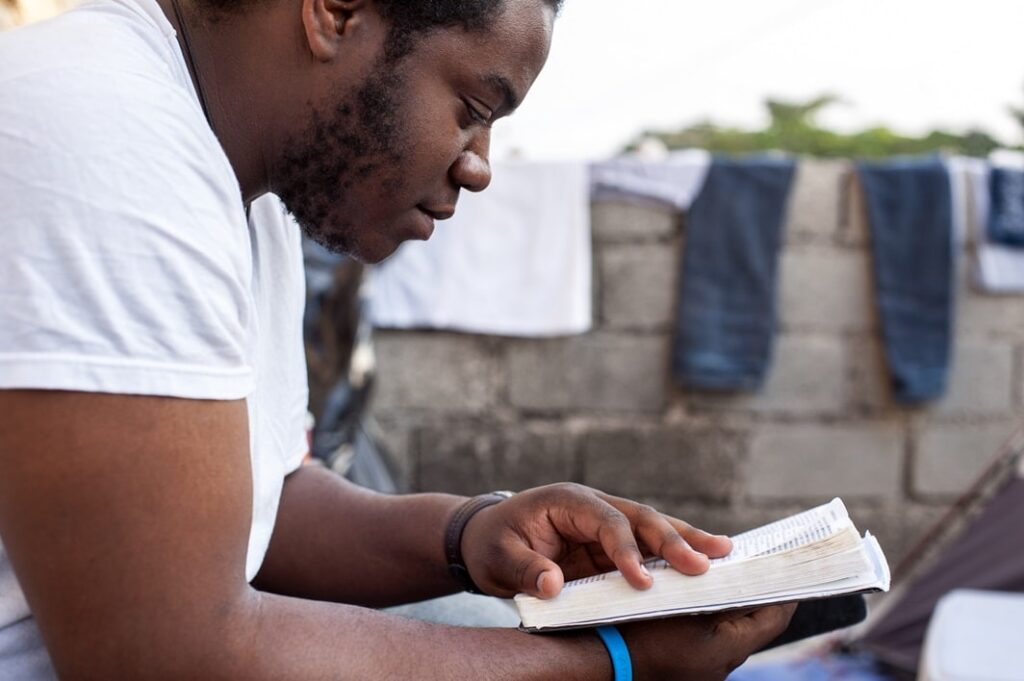
By Valerie Althouse | I am a White American woman who grew up in a white majority church that emphasized global missions. Eighteen years ago, I moved to New York City to serve as both a missionary and a mobilizer for world missions. I desire for Jesus to be known and worshiped among all peoples. So why did I often find myself cringing when I shared missions mobilization materials within a diverse, urban, multiethnic, and international environment?
Equipping the Black Church for Global Mission
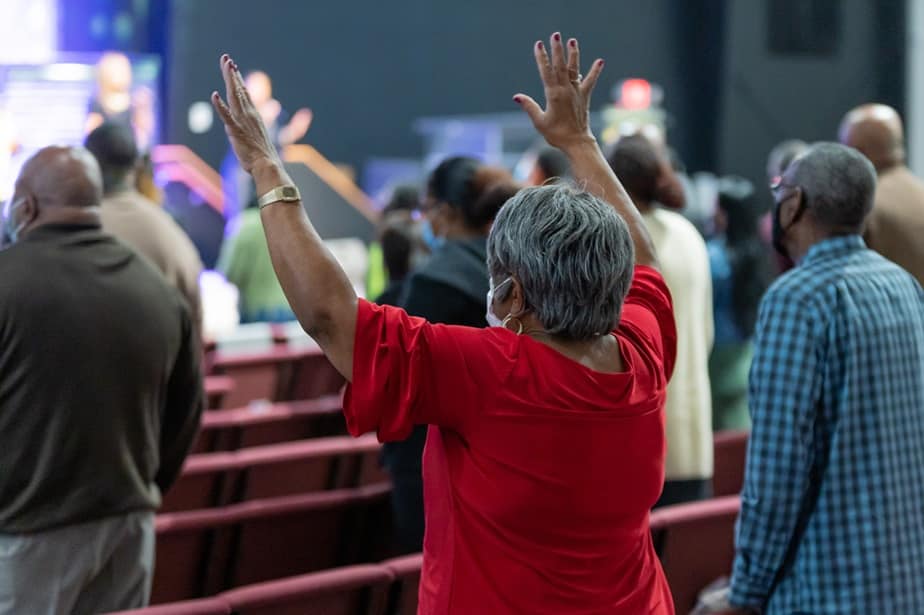
By Phyllis Johnson | The Black church has been underrepresented in global mission for more than 100 years. An appropriate educational model for missiological theology contextualized for the African American church is one way to help African Americans become more engaged in global missions once again.
Welcoming the Panta ta Ethne into Our Organizations
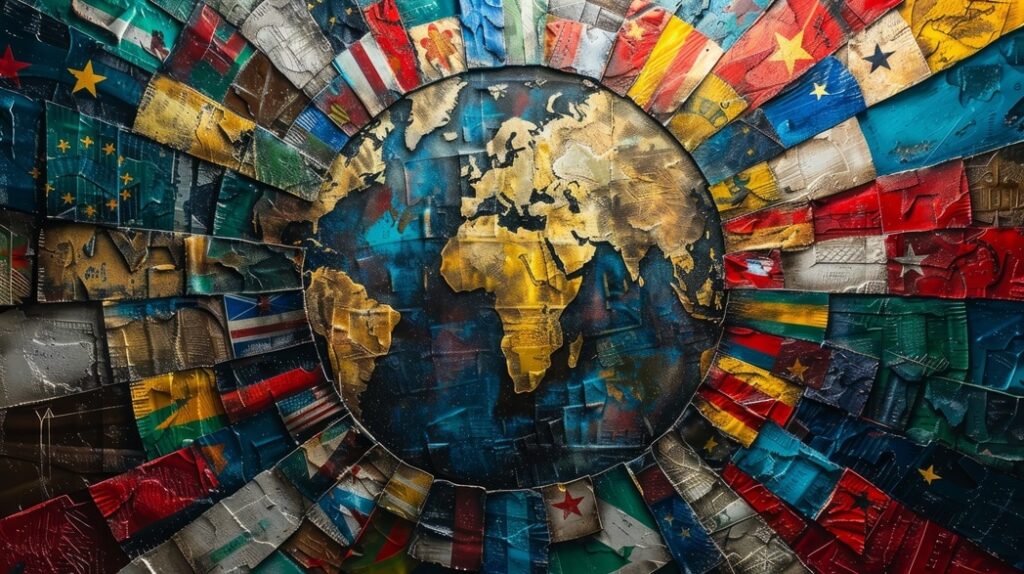
By Rocky Tyler | As mission organizations, how do we move “from me to we to the world?” The knowledge, skills, and attitudes of conflict competence are the foundation of an authentically inclusive culture in which diversity is welcomed and “all peoples” (panta ta ethne) experience both full belonging and high value on their uniqueness.
Forsaking Resource Righteousness for the Global Theological Table Fellowship
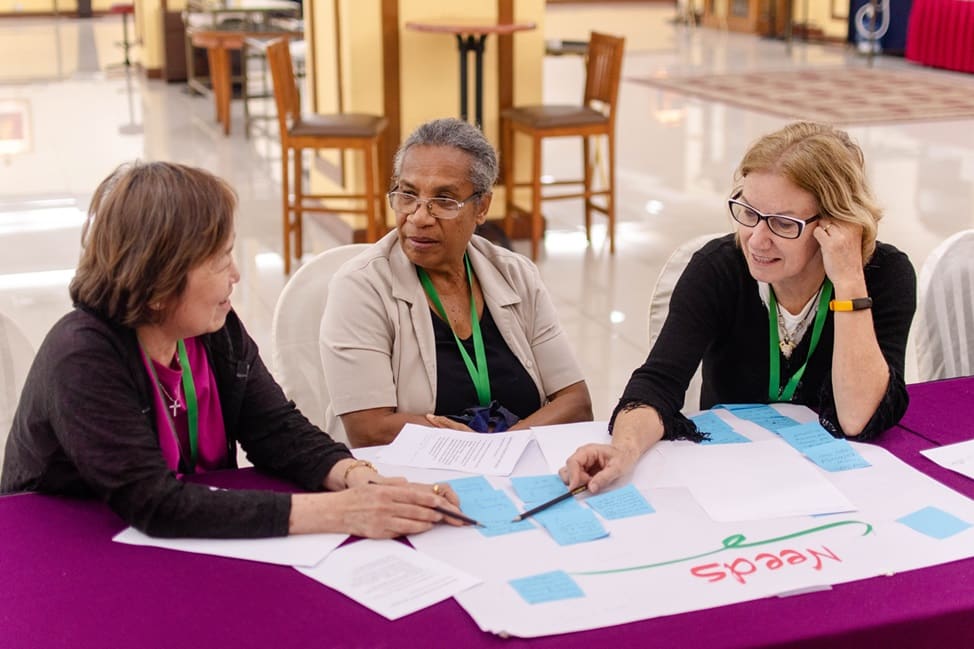
By Jessica Udall | When an extended family gathers together from far and wide to share a feast, who sits at the head of the table? Traditionally, it is the father. However, what happens in this metaphorical scenario when instead of the Heavenly Father sitting at the head, that place is usurped by a culturally dominant sibling who views themselves as superior to their Majority World brothers and sisters?
Coming Together in Unity
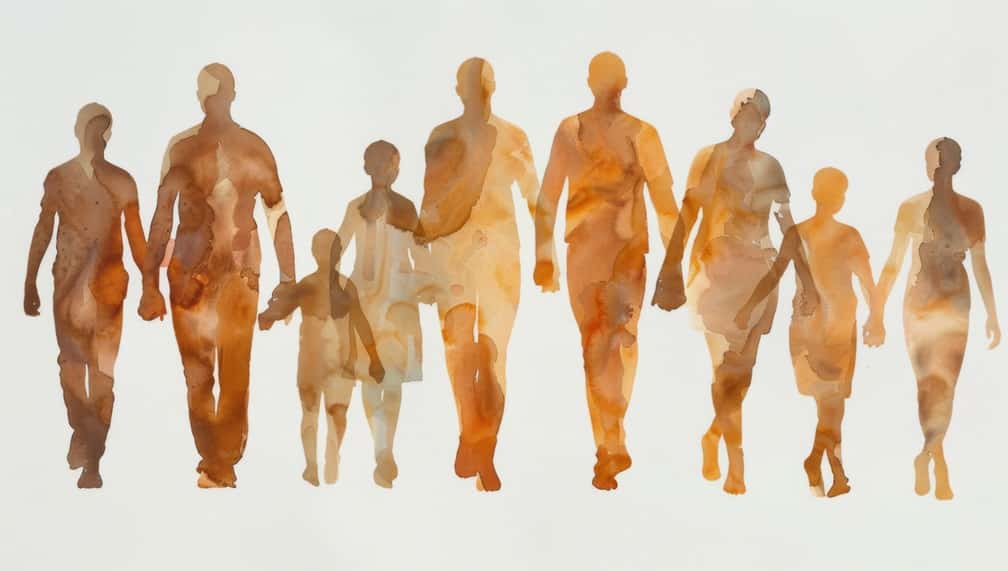
By Carlos Negrón | Many North Americans are terrified to talk about diversity and mutuality. But we must be willing to talk about this, sit in our discomfort, and put hindering beliefs to death in order to become more of the one body of Christ that we are.
On Mission Together as the Whole Body of Christ
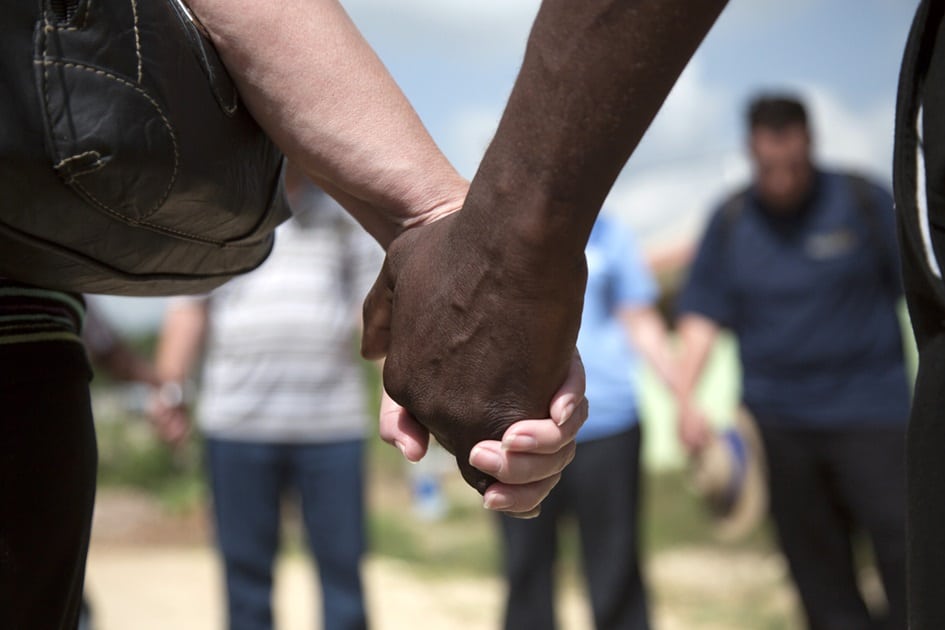
By Linda P. Saunders | As image bearers, it is time to take our rightful place as an inclusive body of believers that reflects the foot of the cross as well as the worshippers around the throne – all nations, all people groups, and all tongues.