Extras (EMQ)

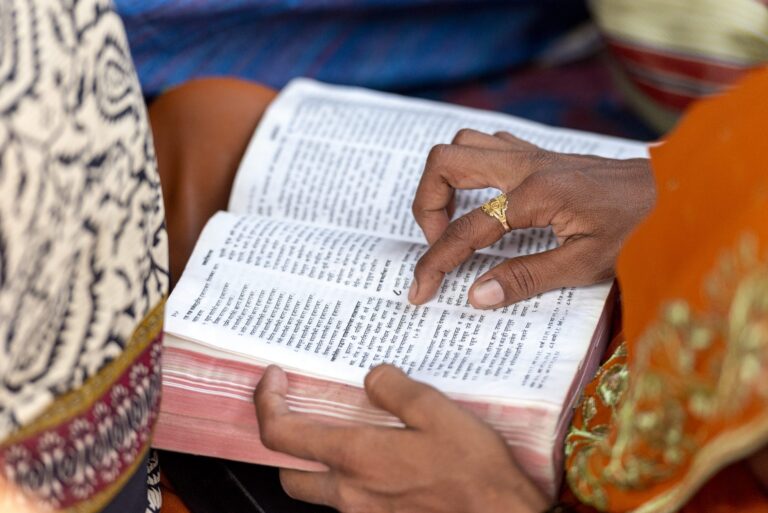
A South Asian woman reads a Bible.

Are Discovery Bible Studies the Best Way to Do Discipleship in Muslim Contexts?

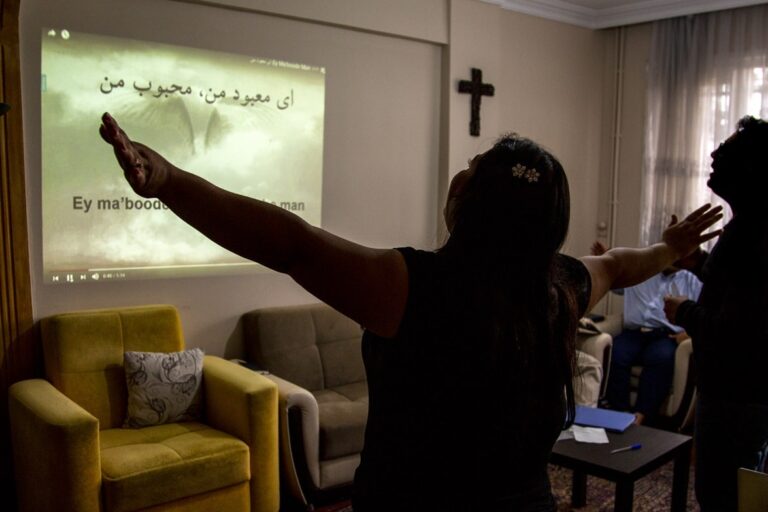
By S.J.Spyker | Many strongly recommend a particular method of inductive Bible study – Discovery Bible Studies (DBS) – for work among Muslims. Based on many years of personal experience and interviews with others working with Muslim women in the Middle East, Spyker queries whether this is the best approach for discipling Muslim women. She promotes developing discipleship tools which are specific to needs rather than relying on a pre-developed program.


Read More...
Envelope with postage

Five Practical Ways Churches can Care for Missionaries

By Patrick Hasty | This article provides pastors and missions teams with practical steps to support their missionaries. It outlines five things that churches can do: start the care process early, be proactive in relating to missionaries, allow missionaries to share their burdens, establish care teams, and be ready for critical moments.

Read More...
Plane viewed from terminal window

Staying Isn’t Always Good and Leaving Isn’t Always Bad

By Sue Eenigenburg | Many who commit to become missionaries imagine permanently settling in another country for many years. However, a characteristic of cross-cultural mission work is its unpredictability. Sometimes, the stresses of missionary life make it hard to stay. Yet, at other times, some stay for the wrong reasons. Sue Eenigenburg some helpful tips for working out whether to stay or leave well.

Read More...

Collaborative Contextual Theology: Lessons from Thailand

By Steve Taylor | Contextualizing theology is challenging, and discernment is needed to know the difference between biblical truths and cultural beliefs. Local and outsider perspectives can benefit these discussions. A three-step framework used by the Thai Christian Thinkers group offers helpful guidance on how to do this well.

Read More...

A Paradigm for Family Integrated Evangelism in Islamic Cultures

By George Dumitrascu | Over two billion people identify as Muslims worldwide. Due to globalization, they live across the world and are our neighbors and co-workers. This makes it even more important to understand their context. Approaching Muslims with the gospel from an individualist perspective is often unsuccessful. A shift in approach to a family-based incarnational ministry using a contextualized house-church model could improve missions outcomes.

Read More...

Contextualization Can Be Messy

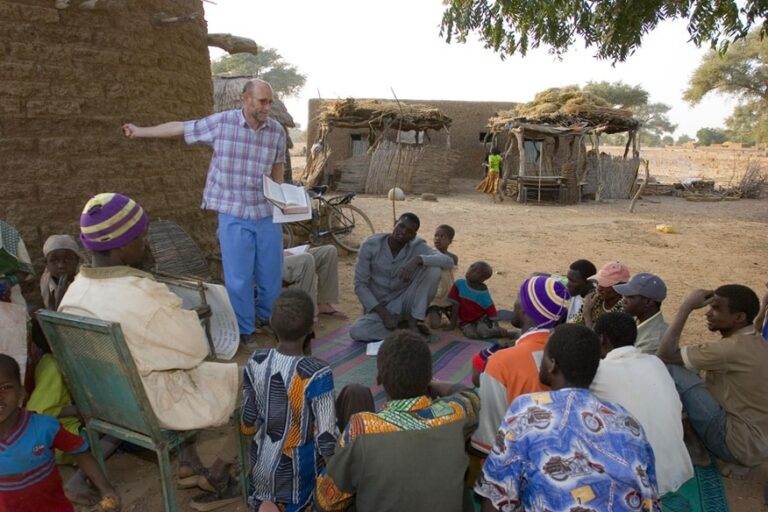
By John Devalve | My wife and I lived in a remote predominantly Muslim region of West Africa with few believers for more than a decade. Not long after we arrived, I faced a new challenge: contextualizing a rite of passage ceremony for a new community of Christ followers.

Read More...

Grafted Together to Fulfill God’s Mission

By Christi Trimbur | Kinship unity develops when diverse members graft together to form one entity. When those groups choose to humbly reach out to each other in acceptance, true partnership or koinonia naturally follows.

Read More...

Revamping the C-Spectrum for Contextualization

By Harley Talman | The C-Spectrum introduced more than 20 years ago provided a tool to categorize different types of Christ-centered communities among Muslims. The Foreignness-Spectrum, or F-Spectrum, focuses on foreignness as the point of reference in appropriate contextualization. It gives needed correction to the C-Spectrum while also building on the C-Spectrum’s foundation.

Read More...

Urban Collaborative Ecosystems for Missions

By Don Allsman | God is sending hundreds of unreached people groups (UPGs) from their homelands to other parts of the globe. These UPG communities are no longer only accessible to long-term missionaries. Urban collaborative ecosystems provide a low-cost method to mobilize large-scale service from non-apostolically gifted people to reach the unreached urban diaspora.

Read More...

Developing Culturally Intelligent Mission Organizations

By Luke Lundstedt | The world is changing as people from around the world work together side-by-side. Mission organizations must adapt to accommodate changing dynamics. Improving organizational cultural intelligence is key to sustaining diverse and inclusive teams that can effectively engage in today’s mission environment.

Read More...

Get Curated Post Updates!

Sign up for my newsletter to see new photos, tips, and blog posts.