Teams in Mission: Are They Worth It?
Do teams work? What does it take to develop and maintain a healthy team? Is it worth the effort? Does a healthy team really produce better results than a dysfunctional team?

Do teams work? What does it take to develop and maintain a healthy team? Is it worth the effort? Does a healthy team really produce better results than a dysfunctional team?

Everyone agrees that we must work together to accomplish the task of Matthew 28:19-20 so that we may move closer to the end goal found in Matthew 24:14. Furthermore, we all know God did not give this task solely to missionaries or pastors.

There is a concern among Canadian and American Chinese churches about the growing disunity within their congregations. For years, these churches were in a state of growth as first-generation Chinese immigrants filled the churches. Over time, however, these churches started to create two new groups.
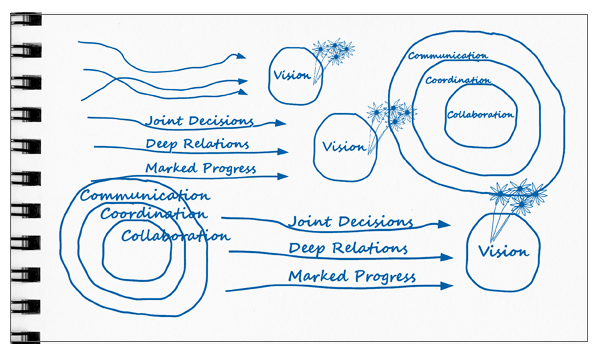
Partnering is something we all do, but many of us know little about. Partnering in a cross-cultural setting can get very complicated, particularly when multiple organizations are involved. What can we do to help such partnerships work more friction-free? Through interviewing nearly thirty leaders involved in broad-based mission partnerships, a partnering model evolved that is presented here in story format.
I caught the vision for oral Bible storytelling on a bicycle. My good friend, Janet Stahl, and I often ride together, and in 2012 I was Janet’s willing audience as she honed her storytelling skills. I quickly realized that listening to her tell Bible stories drew me into a refreshing new way of engaging with scripture.
Diaspora is not a new phenomenon, and missiology is not a novel field of study. Human migration is in fact a reality of the human experience, and missions and evangelism a mandate from the initial commissioning of Jesus Christ’s disciples. Thus, it is inaccurate to propose that the idea of diaspora missiology was initiated in the minds and meetings of twenty-first-century missiologists.
Why do we need another book on Bible interpretation? Don’t we have enough books explaining the philosophy and mechanics of how to understand and teach the Bible? The simple answer is, no we don’t.
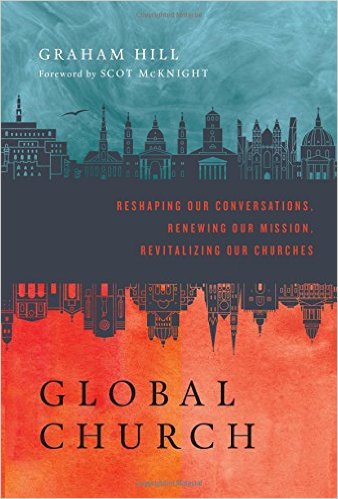
by Graham Hill —Reviewed by James Patole, minister, C&MA; PhD (Missiology) research scholar, SAIACS, University of Mysore, Bangalore, India
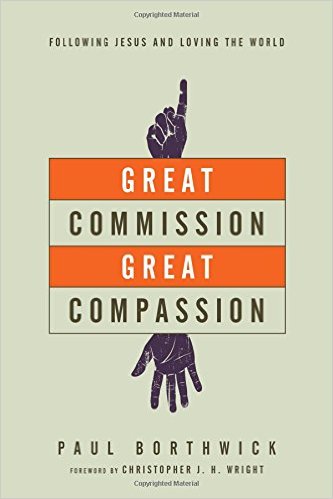
by Paul Borthwick, —Reviewed by Dennis J. Horton, associate professor of Religion and associate director of Ministry Guidance, Baylor University, Waco, Texas
by Gary McIntosh —Reviewed by John Doss, senior pastor, Discovery Christian Community, Salt Lake City, Utah