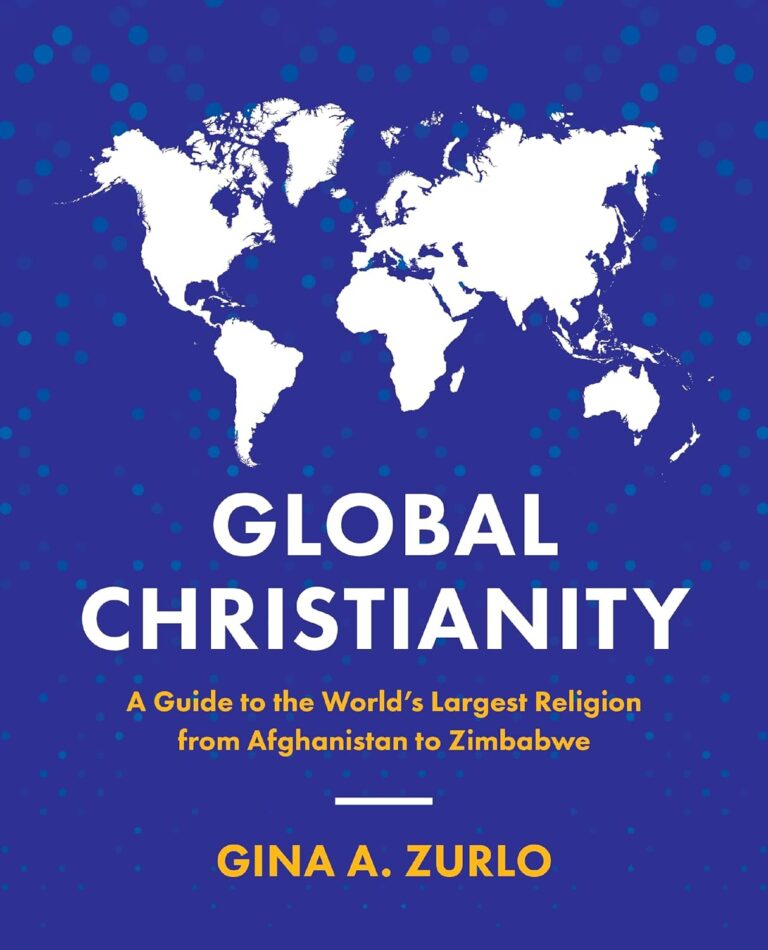
Global Christianity: A Guide to the World’s Largest Religion from Afghanistan to Zimbabwe
The goal of Global Christianity is to disseminate the research conducted at the Center for the Study of Global Christianity

The goal of Global Christianity is to disseminate the research conducted at the Center for the Study of Global Christianity
Reviewed by Marcus Dean, Professor of Intercultural Studies and Missions, Houghton University, who served as a missionary in Colombia and Puerto Rico for 14 years.
Reviewed by Anish Puthusseril Joseph who has served as an Assistant Professor of Biblical Studies in India and is currently a Ph.D. student in Intercultural Studies at Fuller Theological Seminary.
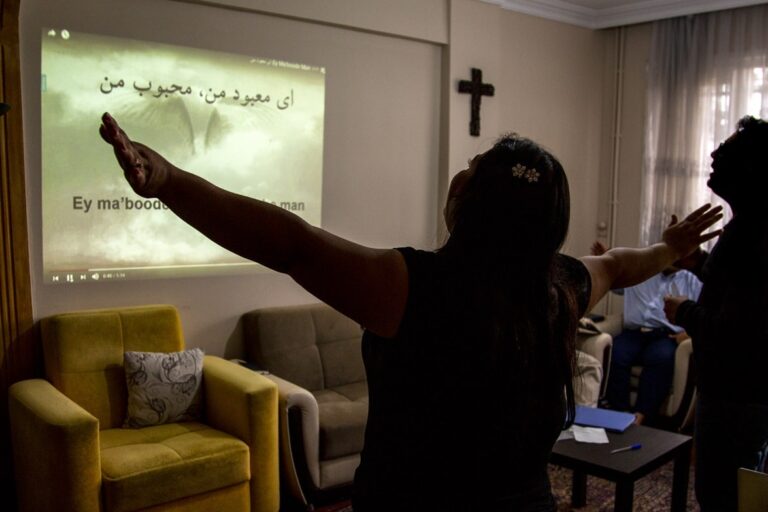
By Harley Talman | The C-Spectrum introduced more than 20 years ago provided a tool to categorize different types of Christ-centered communities among Muslims. The Foreignness-Spectrum, or F-Spectrum, focuses on foreignness as the point of reference in appropriate contextualization. It gives needed correction to the C-Spectrum while also building on the C-Spectrum’s foundation.
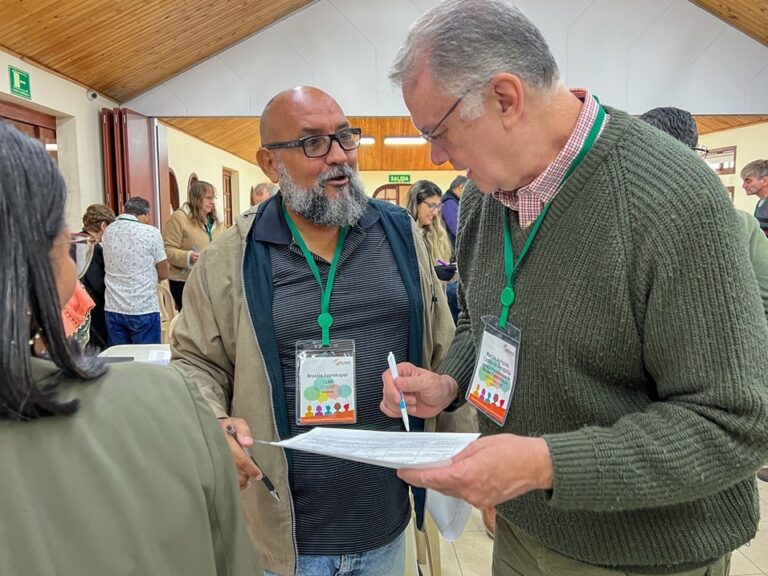
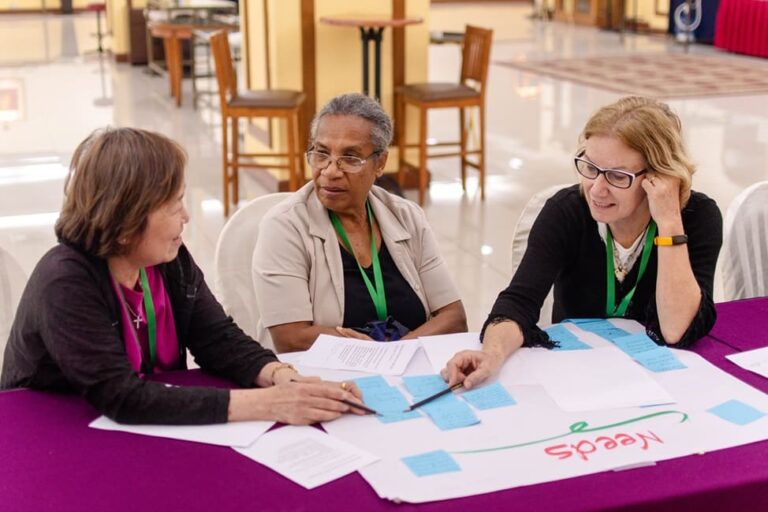
By Sheryl Takagi Silzer | Global mission teams are becoming more and more multicultural. This presents challenges particularly to the work and relationships between people from the Global North and Global South. Facilitated discussions about cultural frameworks can help global workers gain a better understanding of different cultural perspectives.
By Valerie Althouse | I am a White American woman who grew up in a white majority church that emphasized global missions. Eighteen years ago, I moved to New York City to serve as both a missionary and a mobilizer for world missions. I desire for Jesus to be known and worshiped among all peoples. So why did I often find myself cringing when I shared missions mobilization materials within a diverse, urban, multiethnic, and international environment?
By Phyllis Johnson | The Black church has been underrepresented in global mission for more than 100 years. An appropriate educational model for missiological theology contextualized for the African American church is one way to help African Americans become more engaged in global missions once again.
By Rocky Tyler | As mission organizations, how do we move “from me to we to the world?” The knowledge, skills, and attitudes of conflict competence are the foundation of an authentically inclusive culture in which diversity is welcomed and “all peoples” (panta ta ethne) experience both full belonging and high value on their uniqueness.
By Jessica Udall | When an extended family gathers together from far and wide to share a feast, who sits at the head of the table? Traditionally, it is the father. However, what happens in this metaphorical scenario when instead of the Heavenly Father sitting at the head, that place is usurped by a culturally dominant sibling who views themselves as superior to their Majority World brothers and sisters?
By Carlos Negrón | Many North Americans are terrified to talk about diversity and mutuality. But we must be willing to talk about this, sit in our discomfort, and put hindering beliefs to death in order to become more of the one body of Christ that we are.
