
Moving Beyond “Pray, Give, or Go”

By Steven P. Steinhaus | Even if you cannot go overseas as a traditional missionary, you can still do more than pray and give. Steinhaus outlines four stages of being involved in the Great Commission. These are to (1) be a disciple who makes disciples.
Reflecting on Organizational Change: Frontiers as a Case Study
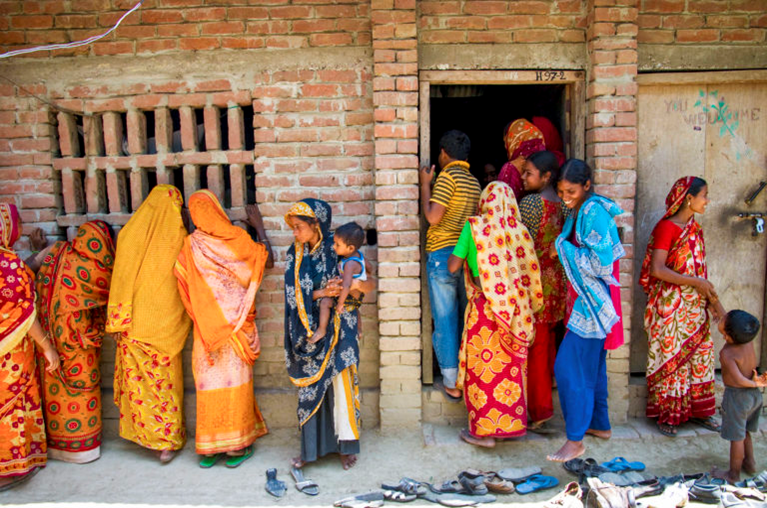
By Steve and Kitty Holloway | Frontiers started as a new organization focusing on reaching Muslim peoples through team ministry more than 40 years ago. The Holloways outline changes Frontiers has made over the years as they have responded to interpersonal and ministry challenges, and the strain of growing larger as an organization. This has included developing a specific approach to conflict management, changing mission and goal statements, and a significant change in ministry approach across the organization.
Mobilizing Ordinary Christians to Evangelize Through Online Connections

By Aaron Myers | In this era of missions, we do not have to move house and jobs to connect with people in other countries. Using social media to respond to questions from people overseas provides an opportunity to make friends and share the gospel. Anyone, at any age and from any background can do this.
Developments in Mission Sending from China

By Brent Fulton | Hundreds of Mainland Chinese Christians serve as missionaries around the world and thousands more minister among China’s unreached people groups. Chinese church leaders have a goal of sending out 20,000 cross-cultural workers by 2030. Traditional Western sending structures and methods may not suit China’s context. Despite many challenges, Chinese leaders are committed to collaborative missiological learning to fulfil the Great Commission.
The Harvest Problem

By Richard G. Lewis | As the Great Commission requires us to reach all peoples of the earth with the gospel, we need to address intentionally the shortfall of workers focused on the unreached. Richard Lewis provides conceptual tools to help analyze the shortfall. He classifies missionaries, then analyzes their distribution according to ministry context and difficulty. This may be helpful for evaluating and planning missionary deployment.
Social Action in Muslim Contexts: Why Should We Care?
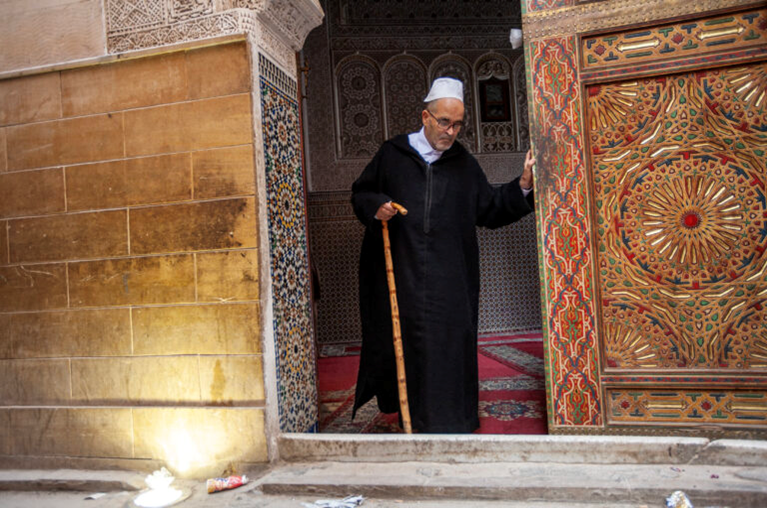
By Jean-Pierre Maure | Just as Jesus did not separate social action from his ministry, Christians working among Muslims should live out their faith through social action. By addressing specific needs in the local context, Christians’ actions compel Muslims to Christ through the credibility of faith in action. Our deeds need to match our proclamation.
How Can Western Churches Still Contribute to World Mission?
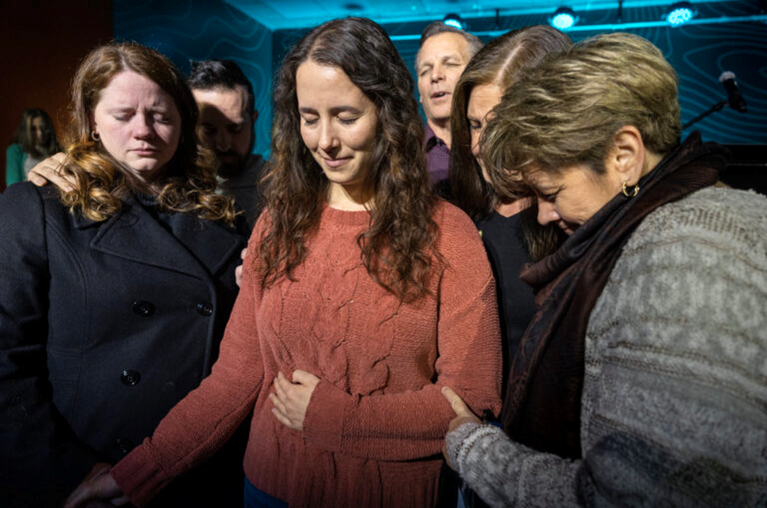
By Stewart Hunt | Whilst most agree that the future of mission involves global collaboration, the role of the Western church has become unclear. However, the biblical imperative is that all disciples make disciples locally and to the ends of the earth. Mission is a characteristic of a healthy church, wherever that church is in the world. Using his own experience as a pastor, Stewart Hunt illustrates the connection between a healthy church and mission, showing how biblical principles apply regardless of location.
Are Discovery Bible Studies the Best Way to Do Discipleship in Muslim Contexts?
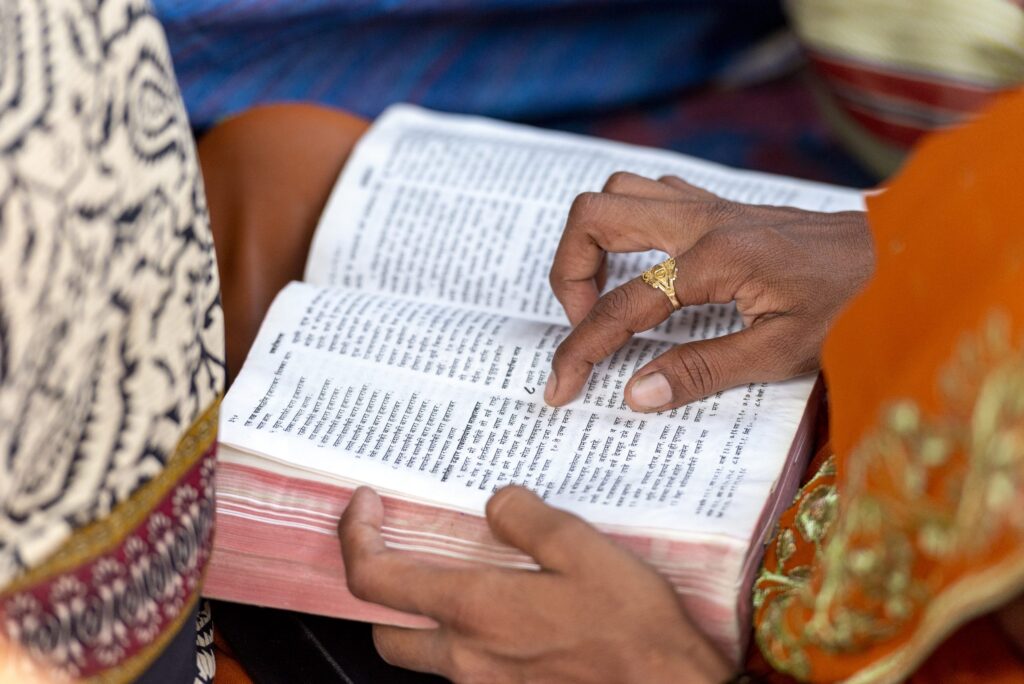
By S.J.Spyker | Many strongly recommend a particular method of inductive Bible study – Discovery Bible Studies (DBS) – for work among Muslims. Based on many years of personal experience and interviews with others working with Muslim women in the Middle East, Spyker queries whether this is the best approach for discipling Muslim women. She promotes developing discipleship tools which are specific to needs rather than relying on a pre-developed program.
Five Practical Ways Churches can Care for Missionaries

By Patrick Hasty | This article provides pastors and missions teams with practical steps to support their missionaries. It outlines five things that churches can do: start the care process early, be proactive in relating to missionaries, allow missionaries to share their burdens, establish care teams, and be ready for critical moments.
Staying Isn’t Always Good and Leaving Isn’t Always Bad

By Sue Eenigenburg | Many who commit to become missionaries imagine permanently settling in another country for many years. However, a characteristic of cross-cultural mission work is its unpredictability. Sometimes, the stresses of missionary life make it hard to stay. Yet, at other times, some stay for the wrong reasons. Sue Eenigenburg some helpful tips for working out whether to stay or leave well.