
Gospel Workers as Vulnerable Vessels
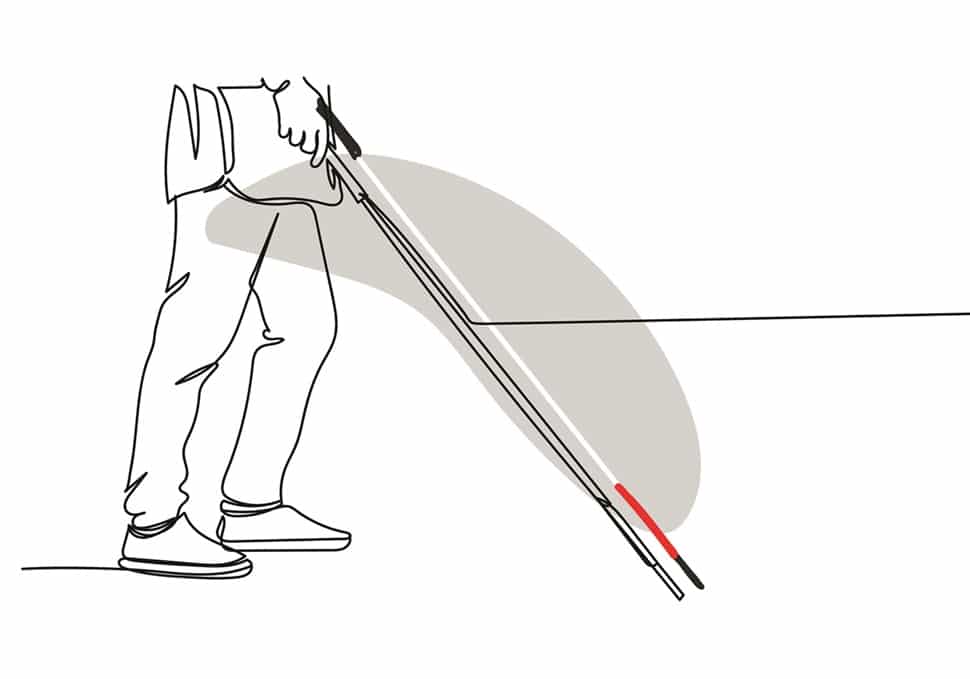
By Andrew K. Opie | What happens when disability comes into the picture? It often results in some being left out of gospel work due to not measuring up as sufficient.
The Inclusive Missio Dei
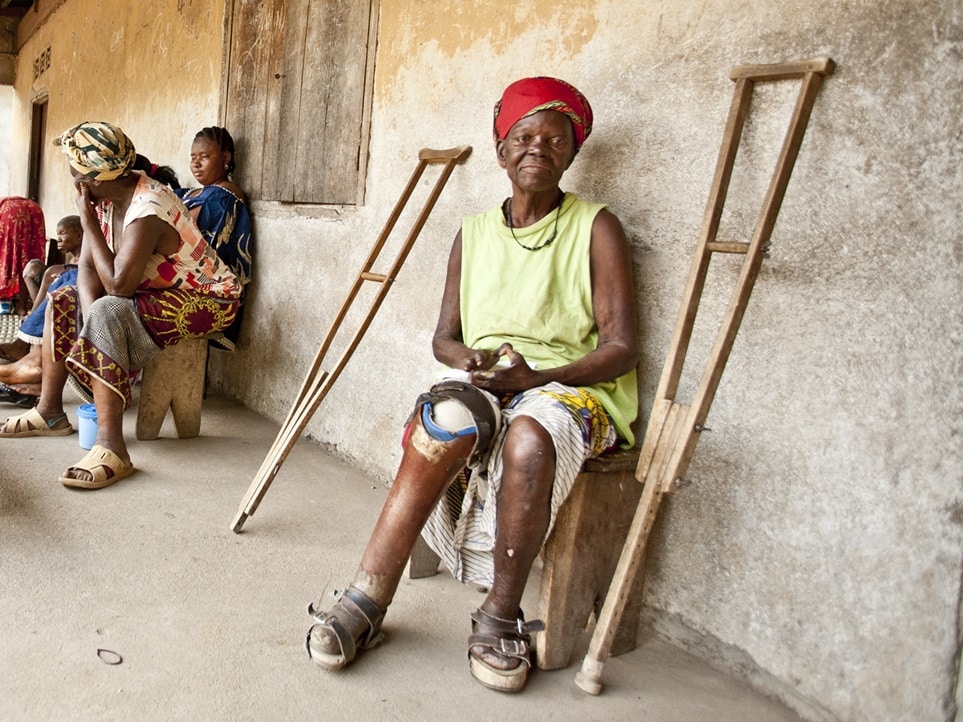
By Kim Kargbo | At least 16% of the world’s population has a disability, and only 5–10% of them have heard the gospel. This makes people with disabilities the world’s largest unreached people group.
The Overlooked Mission Field: Reaching People with Disabilities
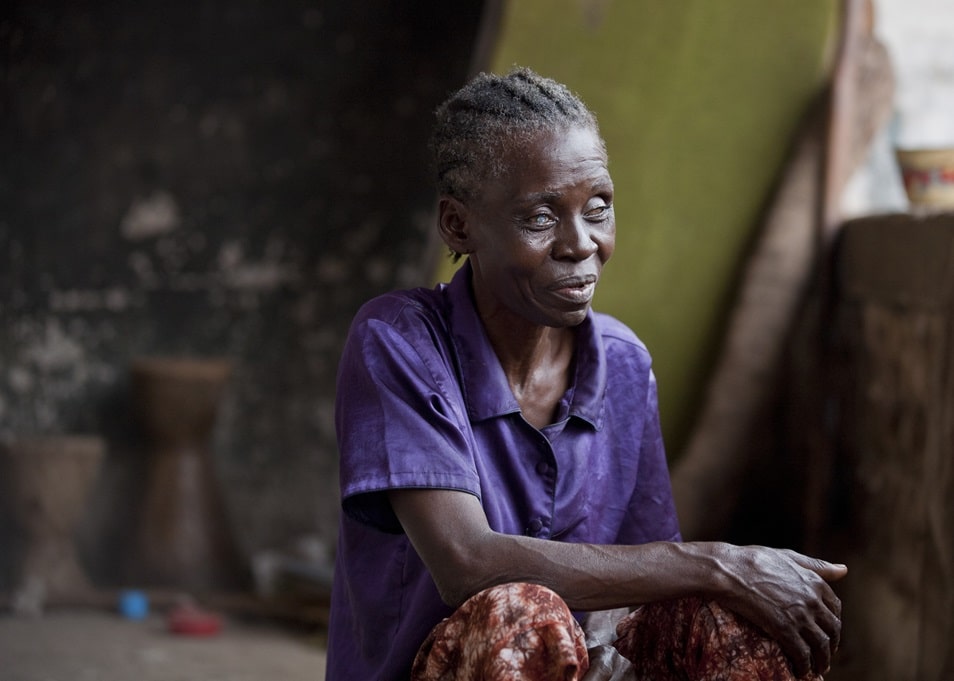
By Hilda Bih Muluh | People with disabilities experience a range of barriers to inclusion in the church. And those who are invited in are often still blocked from sharing their gifts with others and participating in Jesus’s mandate to share the gospel with all peoples and nations.
The Forgotten Billion
By Heather Pubols | More than a billion people worldwide have disabilities, and most have never heard the gospel. However, mission agencies often overlook this community in their mobilization and ministry strategies.
Enjoying the Journey Together

By Steve Richardson | The global missions movement has developed from the “West to the rest,” to wondering if any foreign missionaries were needed, to an “all hands on deck” approach. What we know, today, is that God’s global Commission requires a truly global mission force. We have different contributions to make, but we’re on the same team. Our best contributions come when we enjoy the journey together as equal partners.
Healing and Diversity: A Renewed Vision of Cross-Cultural Mission
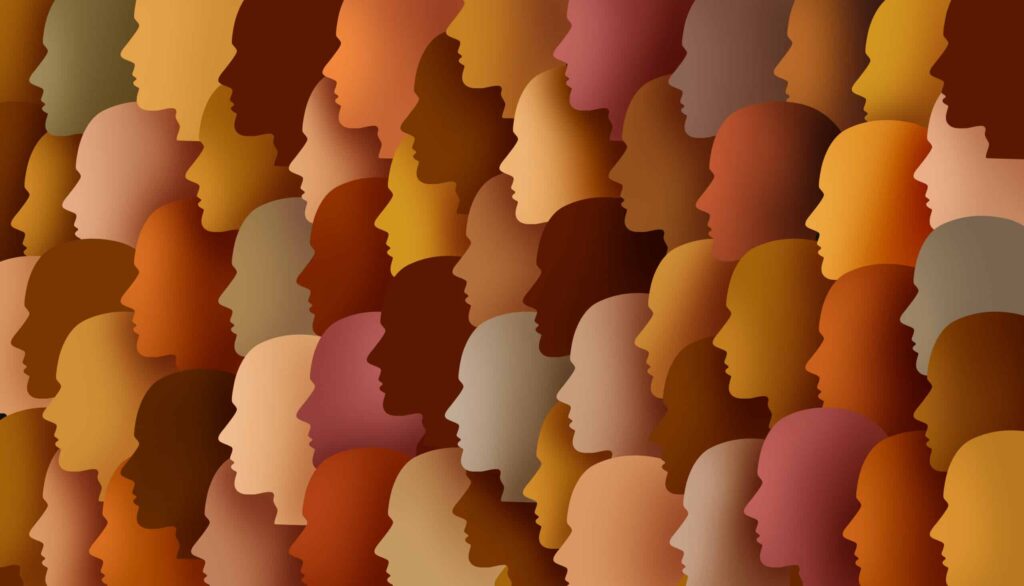
By Jessica Janvier | Despite our shortcomings, the missio Dei requires a quest for the gospel. That quest is not only to reach all nations but for Christians to become cross-cultural members of God’s kingdom and to faithfully reveal his heart to the watching world through cross-cultural mission outreach.
United in Christ to Spread the Gospel
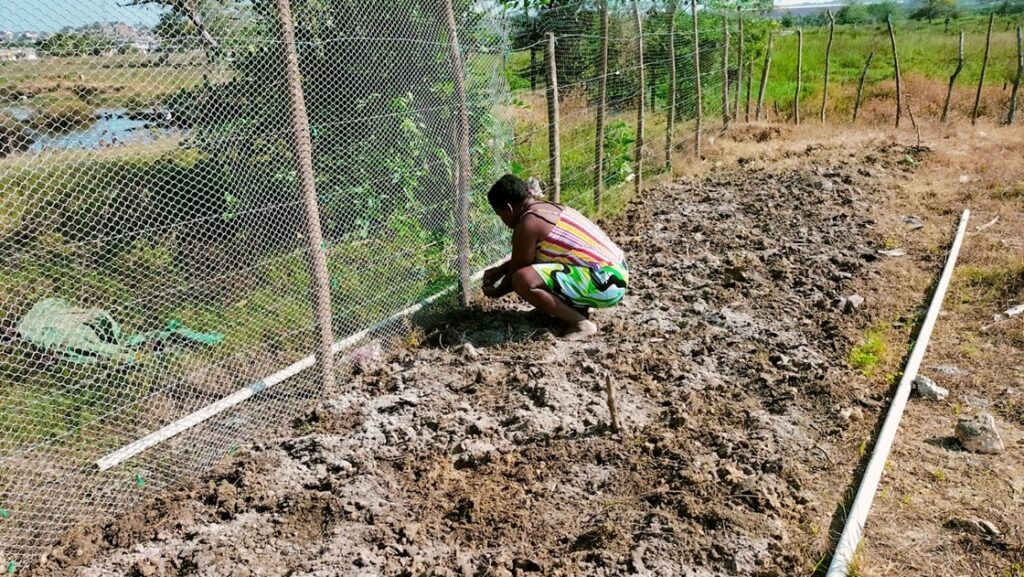
By Ximena Cardona Bastidas | God created a world full of variations, and we move within this diversity. God designed these differences to foster complementarity, interdependence, and innovation. But all of us, through the union in Christ, work together to fulfill the same objective: that no one is left without hearing, understanding, and responding to the word of God.
Revamping the C-Spectrum for Contextualization
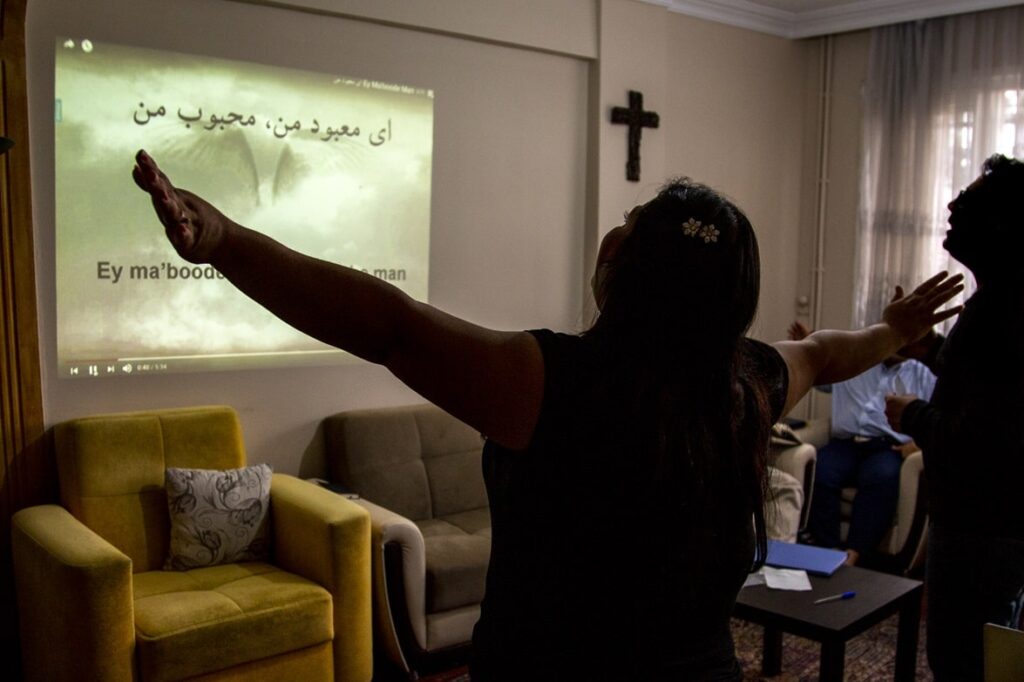
By Harley Talman | The C-Spectrum introduced more than 20 years ago provided a tool to categorize different types of Christ-centered communities among Muslims. The Foreignness-Spectrum, or F-Spectrum, focuses on foreignness as the point of reference in appropriate contextualization. It gives needed correction to the C-Spectrum while also building on the C-Spectrum’s foundation.
Urban Collaborative Ecosystems for Missions
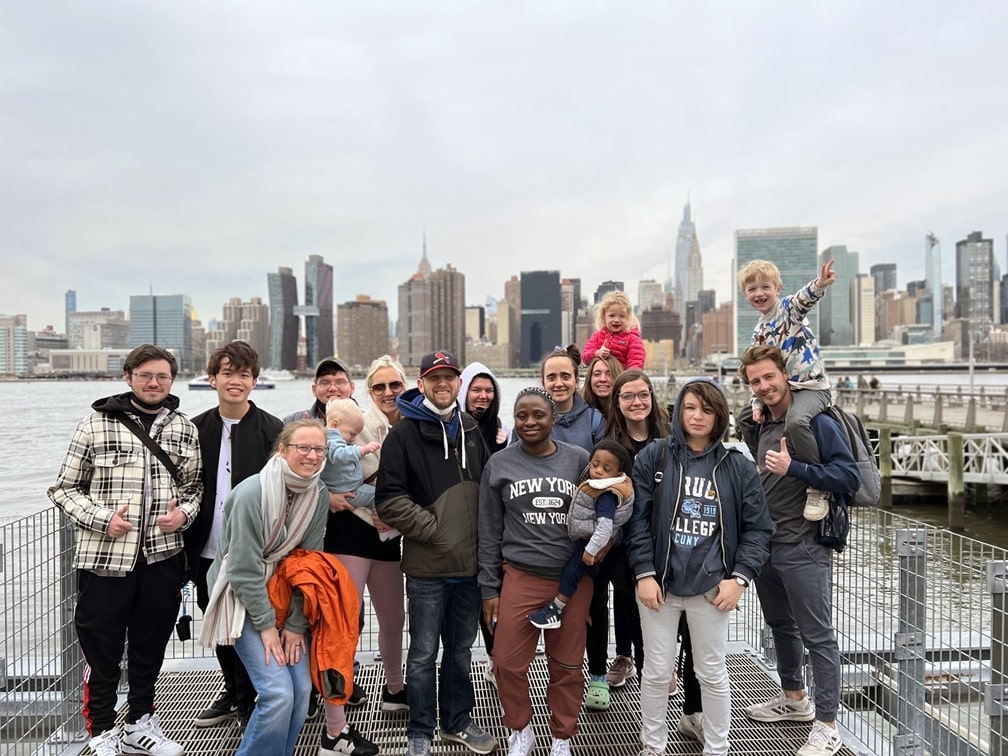
By Don Allsman | God is sending hundreds of unreached people groups (UPGs) from their homelands to other parts of the globe. These UPG communities are no longer only accessible to long-term missionaries. Urban collaborative ecosystems provide a low-cost method to mobilize large-scale service from non-apostolically gifted people to reach the unreached urban diaspora.
Facilitating Dialogue between the Global North and Global South
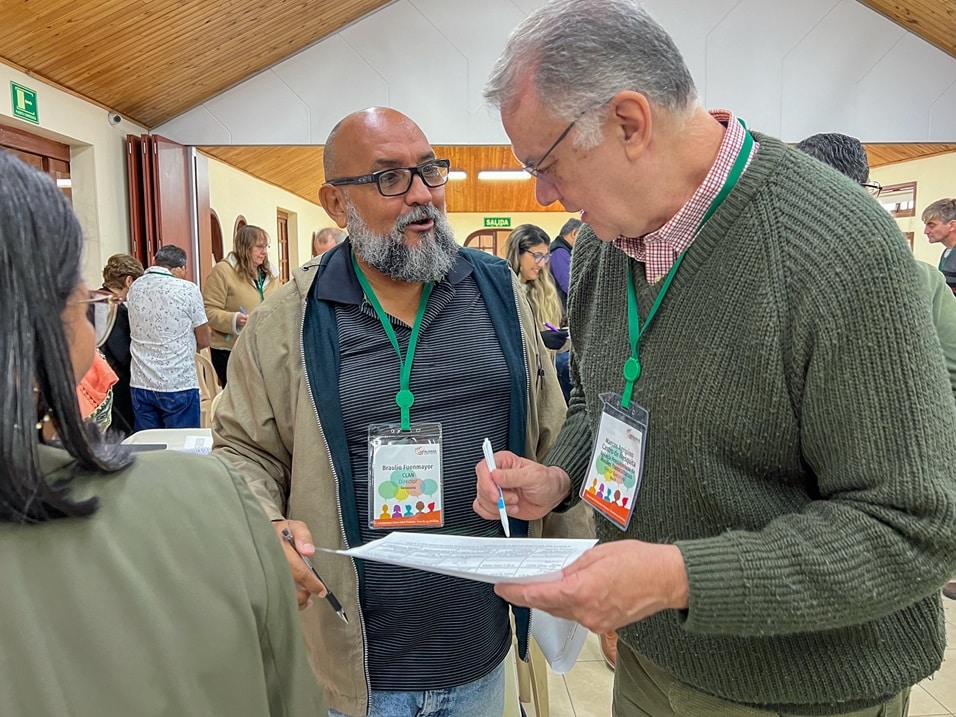
By Sheryl Takagi Silzer | Global mission teams are becoming more and more multicultural. This presents challenges particularly to the work and relationships between people from the Global North and Global South. Facilitated discussions about cultural frameworks can help global workers gain a better understanding of different cultural perspectives.