Three Surveys of Aspiring Missionaries: Draws and Concerns in Deciding to Become a Long-term Missionary
by Megan R. Brown and John W. McVay

by Megan R. Brown and John W. McVay
by Denny Spitters & Matthew Ellison
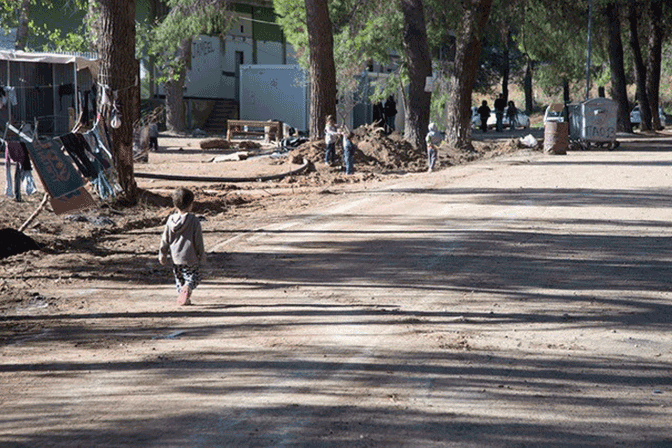
A recent conversation about global ministry among the poor provoked me to further thinking about missions and compassion. A certain Western Christian humanitarian missionary in an impoverished Majority World context described herself as called to be the “hands and feet” of Jesus, in extending mercy to the least, the forgotten, and the marginal. To that extent, she is a wonderful model—she extends the compassion of the Good Shepherd by way of (physically) rescuing, housing, feeding, and educating vulnerable children and orphans.
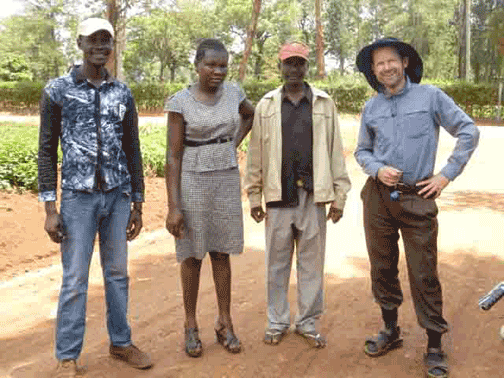
Your language is valuable,” I told the young people gathered at the conference. It was the annual youth event for a particular denomination held in Kenya in August 2016. Around one hundred youth attended. After explaining the value of their language to them, I asked them a question, in answer to which I expected them to confirm that they appreciate their own languages. A senior church leader, also in attendance at the conference, answered in their place. In short, his answer was, “We should not value our languages.”

In order to better understand the reality of the Latin American missionary family, it is necessary that we Latins set aside our tendency to incorporate into our imagination the picture of an Anglo Saxon missionary family. Instead, it is time we work on looking to learn from the life experiences of Latin American families who have immigrated to foreign countries. It is only with this image in our cognitive constructions that we can begin to visualize more clearly the particular needs of our Latin American missionary families.

In the Gospel of Luke, we read the account of a young Jesus who went to the temple in Jerusalem, and sat with the teachers “both listening and asking them questions” (Luke 2:46). After his parents found him in the temple, Jesus returned to Nazareth with them. Luke described Jesus’ growth in the following way: “And Jesus kept increasing in wisdom and stature and in favor with God and men” (Luke 2:52). Physicians appreciate Luke’s focus on three dimensions of health in this verse—physical, emotional, and spiritual.

The words “The End” immediately conjure up the last page of a book we simply haven’t been able to put down. There is nothing that comes after “The End.” It falls of the page into the unknown and so we avoid thinking about endings much.
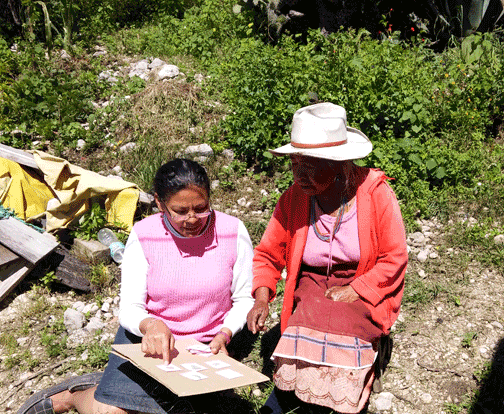
When Jesus gave his disciples the Great Commission, he told them they would be his witnesses in Jerusalem, in all Judea and Samaria, and to the ends of the earth. The Book of Acts narrates the progression of the Early Church from Jerusalem to the surrounding towns of Judea and Samaria and later to the outer reaches of the Roman Empire.