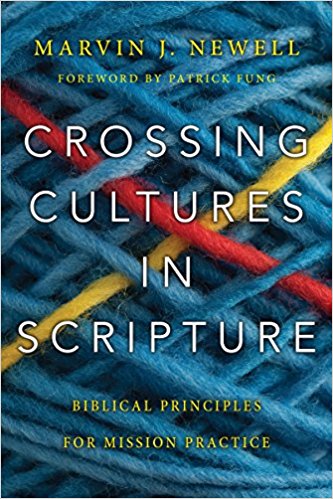
Crossing Cultures in Scripture: Biblical Principles for Mission Practice
by Marvin Newell InterVarsity Press, 2016. —Reviewed by Birgit Herppich, Fuller Theological Seminary; WEC International; former missionary in Ghana.

by Marvin Newell InterVarsity Press, 2016. —Reviewed by Birgit Herppich, Fuller Theological Seminary; WEC International; former missionary in Ghana.
The Christian life begins as the Spirit of God grants us recognition of our guilt, followed by a work of grace received by faith in the finished work of Christ. It is completed on this earth by the response of a life of gratitude, which in turn is a foretaste of the glory we will ultimately experience in God’s presence. Of that fourfold process—guilt, grace, gratitude, and glory—the part that is perhaps least understood and embraced is gratitude.
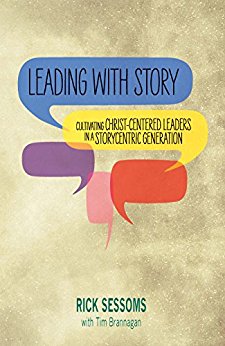
by Rick Sessoms William Carey Library Press, 2016. —Reviewed by Benjamin Espinoza, PhD student, Michigan State University.
Decades ago, it used to be that interested people would ask about our “country of service.” But over time, the question morphed into “What people group do you work among?” For quite some time, the status quo for presenting the missionary task has been ‘reaching people groups’, or rather, reaching the ‘unreached people groups’ (UPGs).
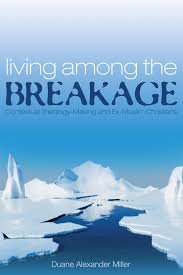
by Duane Alexander Miller Pickwick Publications, 2011. —Reviewed by Paul Martindale, adjunct assistant professor, Islamic Studies and Cross-Cultural Ministry, Gordon-Conwell Theological Seminary; director, Summer Institute on Islam and Islamic
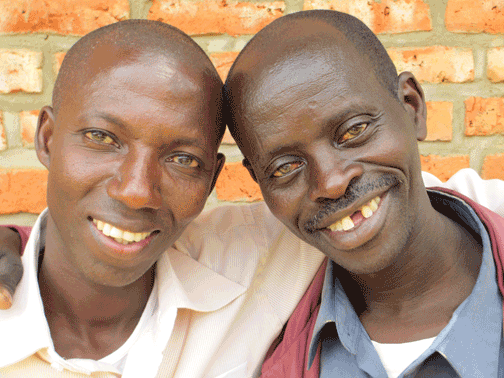
To appreciate the scope of the Rwandan genocide is difficult; in terms of human and material loss, it equated to three New York Twin Tower collapses per day for one hundred consecutive days without the external logistical and emergency medical support which accompanied that disaster. Over 800,000 Rwandan people died, both Tutsi and moderate Hutu, mostly by hand-held weapons, in 100 days among a population of seven million living in an area the size of Maryland.
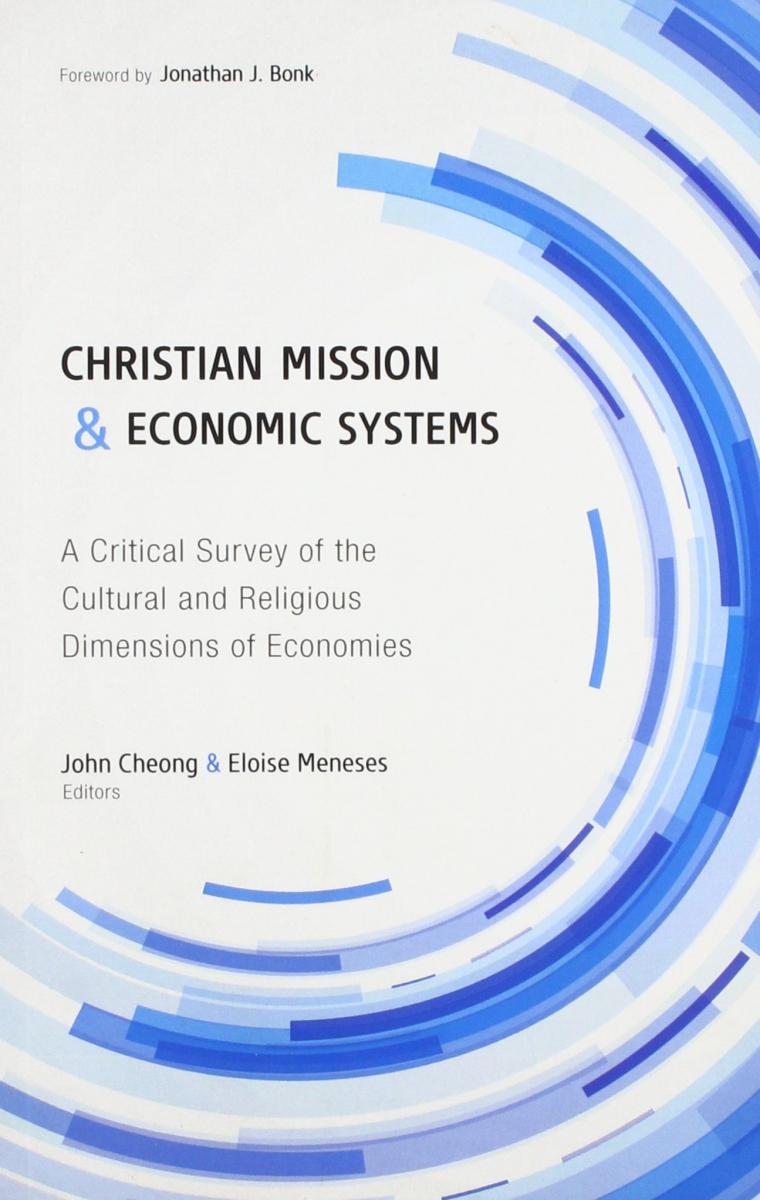
by John Cheong and Eloise Hiebert Meneses, eds. William Carey Library, 2015. —Reviewed by Eva M. Pascal, PhD candidate, Religious Studies, Boston University; full-time instructor at Saint Michael’s College,
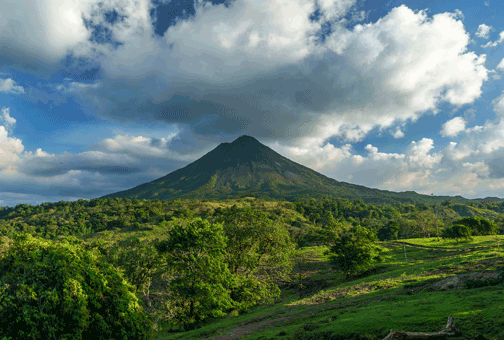
We were in our 20s, newly married, and fresh out of El Instituto de Lengua Española in Costa Rica when we began working way up in the mountain village of San José de la Montaña at Camp Roblealto. On Sundays, especially, we missed gathering at one of our family’s homes for Sunday dinner back in the States. We reminisced about the big pot of sauce with sausage and meatballs, raviolis, salad, and bread from Modern Bakery in Lodi, N.J. Equally, we sometimes found ourselves craving a turkey dinner, stuffing, mashed potatoes, and potato rolls.
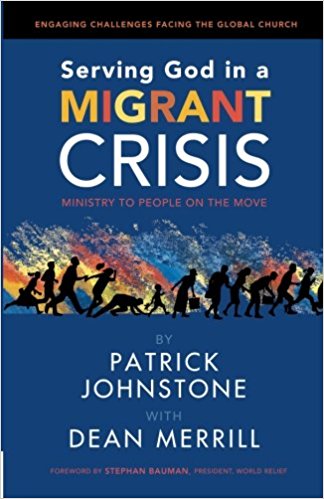
by Patrick Johnstone with Dean Merrill Global Mapping International, 2016. —Reviewed by Joshua Gorenflo, MDiv and M.A. theology student at Abilene Christian University.
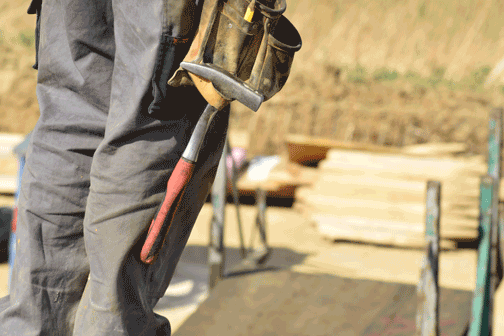
A few years ago, fifteen to twenty people travelled from the United States to another country to build a village house for a missionary family. Many of the participants had construction experience. The building project lasted several weeks. By the time these Americans left, the village house was almost complete.
