Special Note Little did Mike and I know that when he wrote this piece it would be his final one for our MisLinks column. Mike and I co-authored MisLinks
Bruce Riley Ashford, editor. B&H Academic, 127 Ninth Avenue North, MSN 114 Nashville, TN 37234, 2011, 352 pages, $25.99. —Reviewed by William Taylor, senior mentor, WEA Mission Commission; president,

The July 15 coup in Turkey has brought the name of Fethullah Gulen and the movement which bears his name to the attention of the international community. On an almost daily basis, we read news reports of Turkey’s President Recep Tayyip Erdogan, blaming Gulen for fomenting the coup and calling for his extradition from the United States. Since the late 1990s Gulen’s hizmet (service) movement has been very active in the U.S., running a network of 146 charter schools1, about 50 local interfaith dialogue groups and numerous cultural centers across the country. (C.A.S.I.L.I.P.S. 2014).
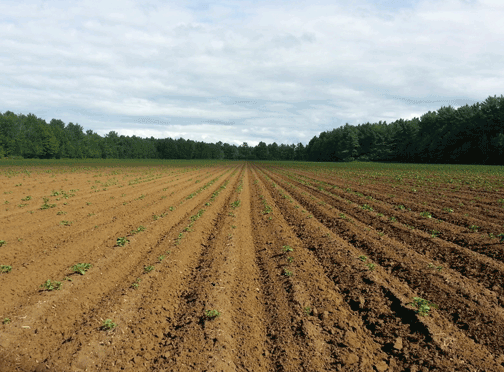
Stanley Hauerwas has suggested that the Parable of the Sower in Matthew 13 can be applied to a study of church growth in various cultures (Hauerwas 2015, 129-130). In particular, he suggests that wealth and the fear of persecution are hindrances to church growth. This article explores whether there is any statistical data that either support or refute this suggestion.
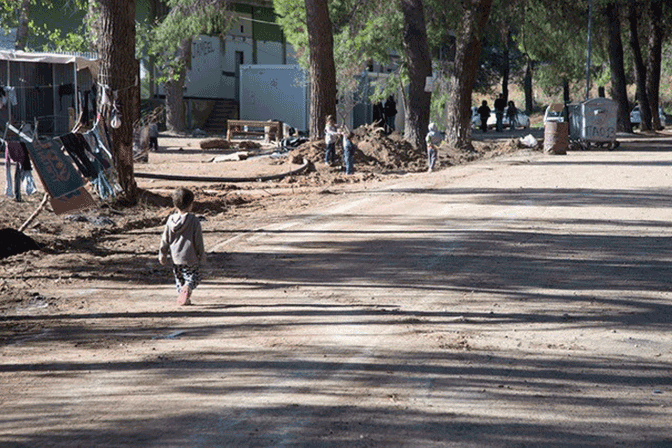
A recent conversation about global ministry among the poor provoked me to further thinking about missions and compassion. A certain Western Christian humanitarian missionary in an impoverished Majority World context described herself as called to be the “hands and feet” of Jesus, in extending mercy to the least, the forgotten, and the marginal. To that extent, she is a wonderful model—she extends the compassion of the Good Shepherd by way of (physically) rescuing, housing, feeding, and educating vulnerable children and orphans.

The world missions community has spent the past thirty years or so establishing footholds in many parts of the Muslim world. But now, unbeknownst to most of our church friends at home, some of those very cities have hundreds of workers in them.
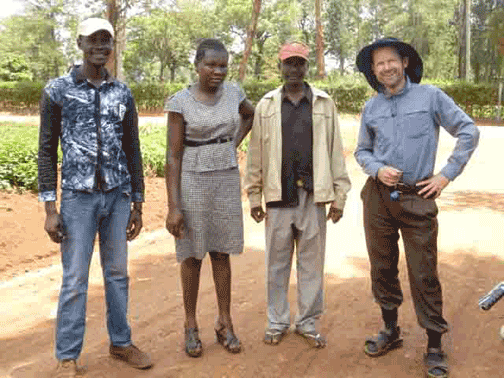
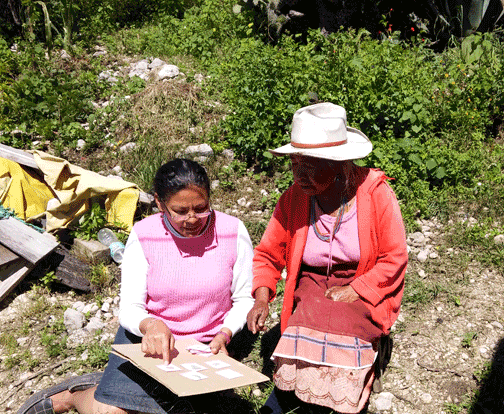
Your language is valuable,” I told the young people gathered at the conference. It was the annual youth event for a particular denomination held in Kenya in August 2016. Around one hundred youth attended. After explaining the value of their language to them, I asked them a question, in answer to which I expected them to confirm that they appreciate their own languages. A senior church leader, also in attendance at the conference, answered in their place. In short, his answer was, “We should not value our languages.”
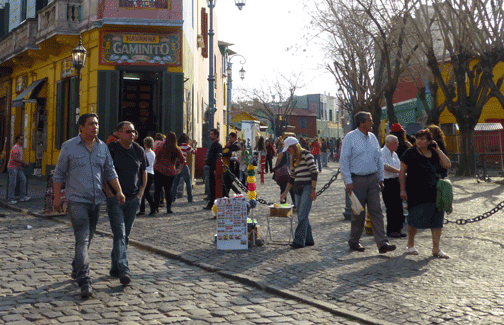
In order to better understand the reality of the Latin American missionary family, it is necessary that we Latins set aside our tendency to incorporate into our imagination the picture of an Anglo Saxon missionary family. Instead, it is time we work on looking to learn from the life experiences of Latin American families who have immigrated to foreign countries. It is only with this image in our cognitive constructions that we can begin to visualize more clearly the particular needs of our Latin American missionary families.
When Jesus gave his disciples the Great Commission, he told them they would be his witnesses in Jerusalem, in all Judea and Samaria, and to the ends of the earth. The Book of Acts narrates the progression of the Early Church from Jerusalem to the surrounding towns of Judea and Samaria and later to the outer reaches of the Roman Empire.