EMQ » Oct – Dec 2024 » Volume 60 Issue 4
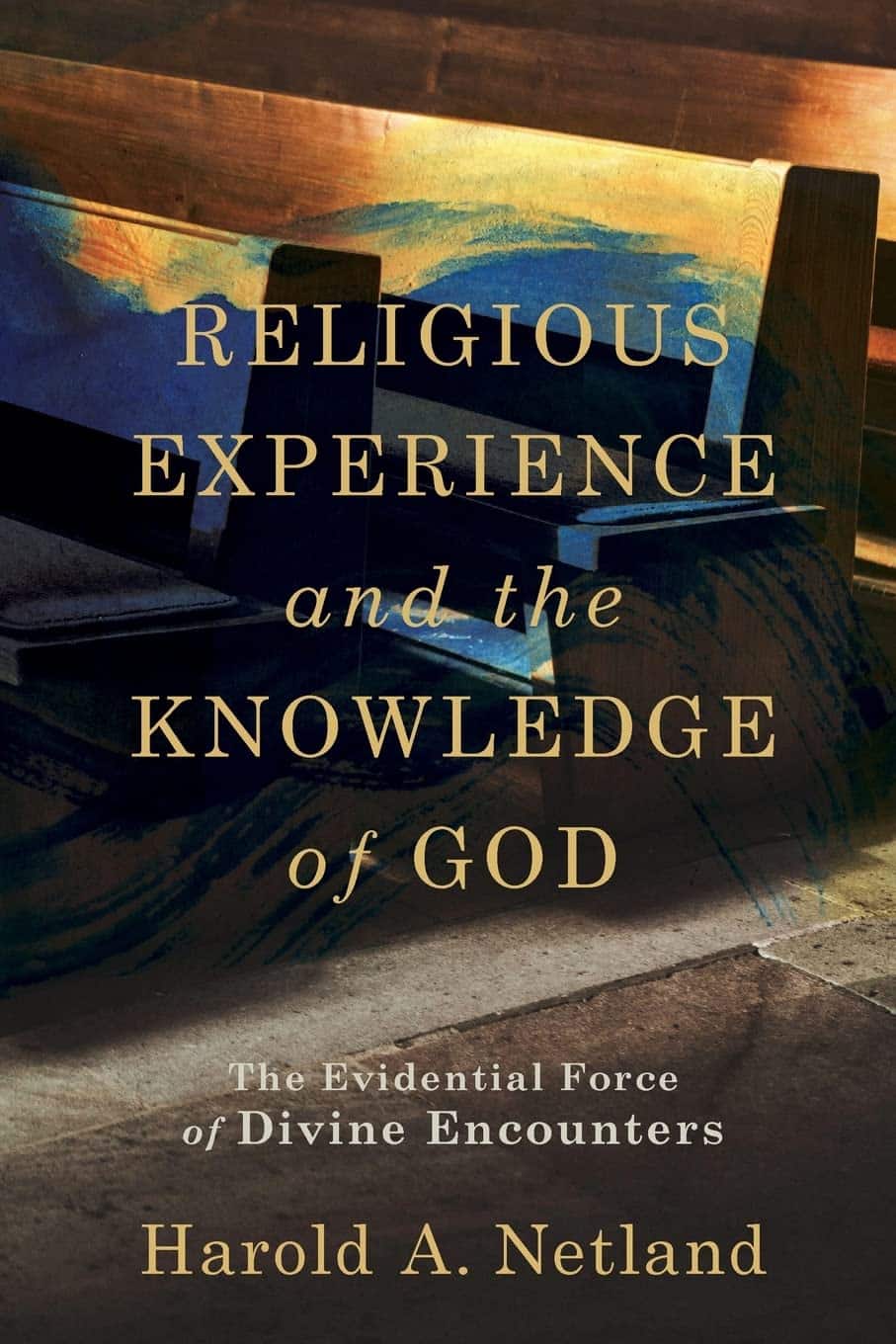
Religious Experience and the Knowledge of God: The Evidentiary Force of Divine Encounters
by Harold A. Netland
Baker Academic, 2022
304 pages
US$29.99
*As an Amazon Associate Missio Nexus earns from qualifying purchases.
Reviewed by Jonathan P. Case, professor of theology, Houghton University, New York.
Harold Netland has written a careful and readable analysis of what kind of weight (and how much weight) we should lend to religious experience when considering claims about God. Two basic questions run throughout the book (summarized on pages 259–260).
First, can we be justified in accepting a particular religious experience as veridical? That is, should we take what seems to be an experience of God as a genuine experience of God? In answer to this question, Netland defends a “critical trust approach” to religious experiences, so what seems to be an experience of God can be accepted as such, if there are no compelling reasons for concluding otherwise.
To my mind, a more difficult question (given the fact of religious diversity) is the second question addressed: Do religious experiences provide evidentiary support for particular religious beliefs and commitments, and, if so, how? Netland’s answer is that theistic experiences can provide some epistemic support for certain beliefs, not only for the subject of the experience but also for others. The degree of support will vary, however, with the nature of the experience and the background beliefs of those assessing the experience.
Netland’s analysis is meticulous throughout. Naïve or impatient readers looking for a decisive answer will be disappointed with the book, but I think one of the book’s main contributions is to make us aware of the many conceptual layers in attempting to evaluate claims made from religious experience and to supply us with analytical tools that will make our thinking sharper. In connection with this, the book also serves as a good introduction to many important historical and contemporary figures who have addressed these issues (e.g., Jonathan Edwards and Alvin Plantinga).
I learned a great deal from this book, and my criticisms are minor. As a theologian, I wish Netland had worked Schleiermacher (the so-called “father of modern theology”) into the discussion, as Schleiermacher privileged the place of religious feeling (Gefühl) in his attempt to make religion credible to the “cultured despisers” of his time, and in so doing influenced generations of theologians down to the present.
It is anyone’s guess as to how an atheist or agnostic would respond to Netland’s book. I suspect hard-core atheists would accuse Netland of special pleading at various points, but his analyses of the problems and questions are so nuanced and thorough that fair readers would have to acknowledge this is a serious and circumspect treatment of difficult questions.
Portions of the book may be a bit too difficult for lower-division university classes, but I would recommend the book for upper division philosophy of religion or epistemology classes. I can also imagine assigning Netland’s chapter on theistic experiences and religious diversity (Chapter 11) in classes on world religions or Christian missions.
For Further Reading
An Enquiry Concerning Human Understanding by David Hume (Oxford, 1748/1999)
On Religion: Speeches to Its Cultured Despisers by Friedrich Schleiermacher (Cambridge, 1999/2006)
EMQ, Volume 60, Issue 4. Copyright © 2024 by Missio Nexus. All rights reserved. Not to be reproduced or copied in any form without written permission from Missio Nexus. Email: EMQ@MissioNexus.org.