
EMQ » Oct – Dec 2024 » Volume 60 Issue 4
Wheelchairs of Hope
Summary: A vision for recycling wheelchairs gave birth to a ministry in Japan that provides wheelchairs to people in several countries who desperately need them. The ministry has brought God’s transforming hope not only to wheelchair recipients, but also to volunteers working to refurbish the chairs.
By Mitch Tani and Mary Esther Penner
Daniel was not your typical missionary. He couldn’t walk or talk or even swallow. He had to be strapped into his wheelchair, but he inspired a ministry that greatly affected many in Japan, Asia and even Ukraine. Daniel lived in Japan. Growing up, he and other children like him received a brand-new wheelchair every four years from the Japanese government.
The old wheelchairs were simply discarded until God planted an idea, a vision. Why not collect the old wheelchairs and distribute them to those who need wheelchairs in other countries in Asia, and spread the love and hope of the gospel of Jesus at the same time?
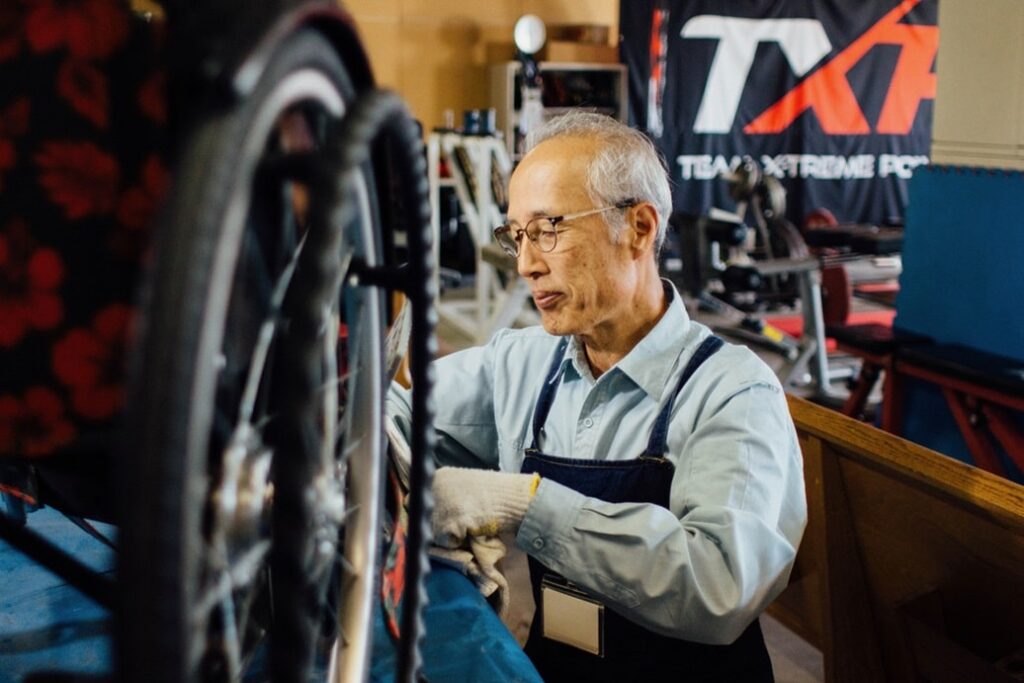
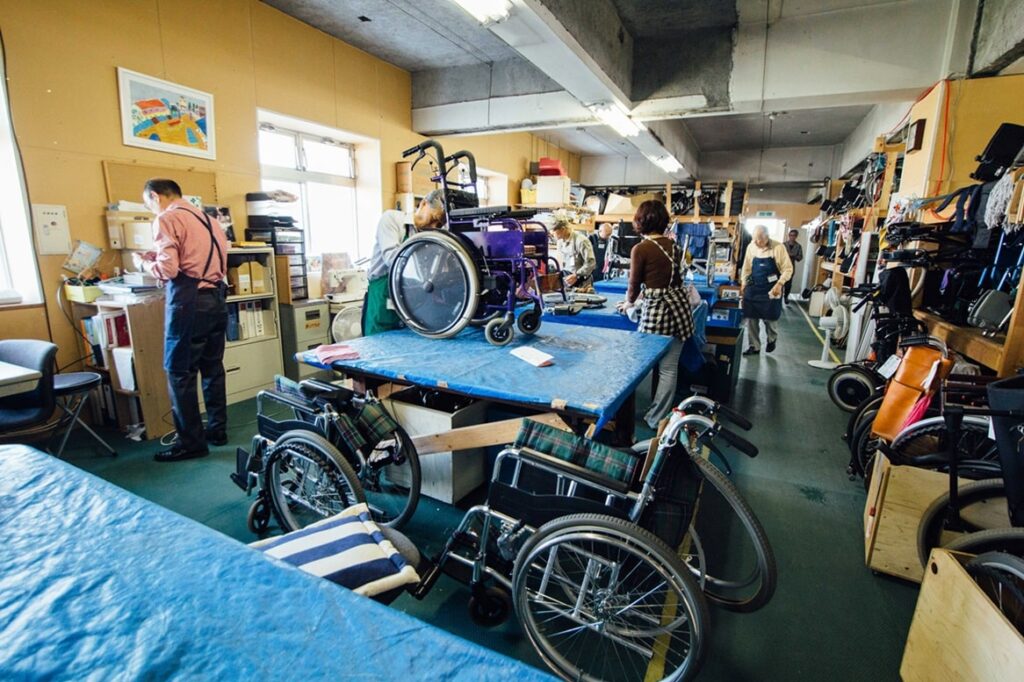
I (Mary Esther) gathered a group of people, and we worked together to collect used wheelchairs. Friends connected with friends to collect more chairs. Then we cleaned and repaired them as we connected with each other. Some had never touched a wheelchair before. Some were Christians and some were not. We learned together and visited as we worked, sharing meals and our lives. That was the birth of Wheelchairs of Hope.
Resourcing the Vision
We soon discovered that disassembling a wheelchair was the easy part. Fixing it was much harder, and we needed funds for the necessary parts and tools. We planned our first fundraiser on a national holiday and booked our venue far in advance. Then with no warning our venue in Tokyo cancelled our reservation. Surely God would have another place for us! However, every place we called about availability told us “impossible” as their answer.
Then a friend suggested that we ask the Biblical Church of Tokyo (seishokirisuto.com). It was a large, well-known innovative church occupying an eight-story building which had previously been a poundcake factory. They had the seating capacity plus a cafeteria kitchen to handle exactly what we needed.
Pastor Kathy Oyama offered to come in on the holiday and open the building for us. She and Senior Pastor Seiji Oyama also said they would attend our fundraising event. During our fundraiser, we asked people to pray specifically that we could find a larger space for working on the wheelchairs.
When our event finished, Pastor Seiji said he wanted to show us something. We thought he wanted to show us the sanctuary on the sixth floor, but the elevator stopped at the fifth. He brought us to a large space that was used for storage. Then he offered to have it cleared out so they could provide it as a rent-free workspace for Wheelchairs of Hope.
We had this vision from God, the extra funds, and a place to work, but now we needed more people – especially those with special skills. God provided. A bicycle enthusiast became our expert on tires, spokes, brakes, and frames. He also served as our quality inspector. When a chair had a missing part, a retired mechanical engineer volunteered to make the replacements. A seamstress offered to make new cushion covers when cushions needed replacing. Woodworkers built shelves and worktables. A businessman who lived across the street from the church offered his business skills. Volunteers learned to paint wheelchair parts and became our painters.
We also needed a lot of unskilled, teachable workers. People from the city government visited and asked whether their social worker could bring people to volunteer, people who needed a place where they were accepted and valued. They came as workers and became friends.
University students had school requirements for community service, so they volunteered. A special education school asked whether some of their students could come, so they and a teacher came each week to clean wheelchairs. The students were welcomed and realized that they could make a difference. Their parents were also happy for this opportunity because they felt the church was a safe place.
Most of these volunteers had never met a Christian nor ever been inside a church. They did not come to the church for a service or preaching. Instead, they came to the church to make a difference by working on the wheelchairs.
Volunteers Discover Jesus
One longtime volunteer kept saying he was not a believer, but whenever new people arrived, he would serve them tea and rice crackers and then show them a video about Wheelchairs of Hope. A Christian TV station made the video, and it contained an interview that ended with a clear presentation of the gospel. After showing the video to each new worker this volunteer began to attend a church near his home. He confessed belief in Jesus and was baptized before he died.
One volunteer was very dedicated but a quiet person. He drove two hours each way to volunteer. He began going to church, choosing one that other volunteers attended. Then he invited us to his baptism. Many of the other volunteers came to support him or because they were curious. All who came were able to hear his full testimony. In Japan it is the custom for people being baptized to read their testimony which often is quite lengthy.
Each morning, we began with announcements and work assignments. Then we prayed, thanking God for those volunteers present and asking him to keep us safe. Volunteers would approach the Christians to ask for prayer. Some would talk to one of the pastors and also ask to borrow books or a Bible to take home and read. Some liked helping out at the church so much that they volunteered to do other work there.
Volunteers who followed Jesus would naturally talk about their faith while they worked. One used to share that we are like these used wheelchairs which need to be made new. Jesus is the one who makes our lives new.
One volunteer showed up again after a long absence. At first, she had come only to work on the wheelchairs but in addition to the work she made friends and learned about Jesus. Then she started to attend the church where we worked on the wheelchairs, believed, and was baptized. After she began to follow Jesus, she became so active in the church that she did not have time to help clean wheelchairs. She came to apologize, explain why she had stopped coming, and make sure this was okay with us.
Using large groups of mainly untrained volunteers is not the most efficient way to refurbish wheelchairs if the only aim is repaired wheelchairs. But if the goal also includes changed lives in Japan as well as internationally, then this was a very effective way to meet our objective!
Expanding the Vision
In the beginning, we only collected wheelchairs a few at a time. One volunteer challenged us to think bigger. He approached a wheelchair rental company offering to take their old wheelchairs to save them the time and cost of taking them to the dump. We signed an MOU promising that all the wheelchairs they donated would leave Japan and not undermine their rental business.
Soon we were approaching hospitals and other facilities which used wheelchairs. We offered them the same cost-saving deal. They felt good knowing that their chairs were helping people and not going to the landfill. Our bigger vision enabled us to get chairs by the truckload! Some chairs were new or like new. Others were good for parts for repairs.
Getting the wheelchairs out of the country and to the right people were new challenges. At first people who were traveling would limit themselves to carry-on luggage and use their checked baggage allowance to distribute wheelchairs throughout Asia. When an airline offered to take wheelchairs when their flights had room for them, volunteers took vanloads of them to the airport.
Then a shipping company offered to take container-loads of wheelchairs at a substantial discount. They publicized their partnership with us as part of their Corporate Social Responsibility publicity materials.
A network of organizations throughout Asia, including Christian ones, committed to match the chairs we sent with the right people, keep the chairs in good working order, and help the people who received them. About once a year, a group of our volunteers visit partners who distribute our wheelchairs in other countries for several days. We all carried wheelchairs as our checked luggage. We learned as much as we could from them about the needs of local communities, and also searched for new partners.
Many of our distribution partners are pastors and missionaries. One partner we met with in Thailand was a Japanese missionary couple. They connected us with a boy in a rural village who couldn’t walk. We brought him a beautiful red wheelchair. We watched him excitedly try to navigate in the chair for the first time. His family was thrilled. The volunteers, including some who had worked on that red chair, witnessed the difference our hard work made.
Our wheelchairs were also brought to inmates in a prison where the missionary couple ministered. As the couple shared the wheelchairs we provided, they also shared the good news with the inmates.
Before we left Thailand, the Japanese missionary couple shared the gospel with our whole team of volunteers. Those who weren’t yet believers listened intently. The trip became a “reverse” missions trip where participants themselves received the gospel.
The Japanese missionary couple remained in contact with Wheelchairs of Hope. After a home assignment in Japan, they returned to Thailand with a couple of our wheelchairs. They’d heard the boy who had received the red wheelchair had outgrown it, so one of the chairs went to him.
Sharing Wheelchairs with the World
Wheelchairs of Hope always works closely with local partners. They let us know what kinds and sizes of wheelchairs are needed, and we do our best to find matching chairs. Sometimes we ship a whole container of wheelchairs, about 125 in each container. When the chairs arrive, our goal is to work with local partners to adjust chairs so they are a good fit for each recipient.
Sometimes the partners give Christian literature, like a Bible, with each chair. We have one partner that visits the areas where the chairs will be used to talk with the local elders and to educate people about making paths suitable for someone in a wheelchair. All of our partners send follow-up reports so we can see how chairs are being used. We could not do this ministry without them.
Wheelchairs for Refugees
Our trips continue to offer us opportunities to observe our partner’s needs firsthand, participate with them in ministry, and receive ministry from them. Wheelchairs of Hope volunteers partnered with missionaries serving refugees in the region between Myanmar and Thailand.
When our team of volunteers visited a hilly region along the border, we met refugees who had fled violence in one country and hoped to go to another country but were stuck in this border area. Necessities were in short supply, especially water for drinking and bathing.
One mother we met told us, “If we had had a wheelchair my daughter would not have been home alone when the armed man came.” Her words resonated in our minds as we distributed wheelchairs in the area.
We went to a thatched house with a wheelchair for a child. The house only had two walls. When we went in, we found the child sitting alone in soiled clothes. A missionary nurse with us changed the child’s clothes and discussed the wheelchair with us.
She explained that after this little girl’s mother had died, the father had to leave her alone while he was at work. He dressed her as a boy so that armed men in the area wouldn’t bother her. With an average wage in the area of about US$2/day, saving for a wheelchair to increase her mobility was impossible.
We were saddened as we thought about the plight of disabled children left home alone because they were too big to take to work – children often abused with no one to protect them. We remembered the mother who told us, “If only we had had a wheelchair … .”
Wheelchairs for Myanmar
A local pastor in Myanmar took our volunteers to visit people getting wheelchairs. We visited one elderly woman sitting alone on a wooden platform. We could tell by the sight and the smell that she had not been able to bathe in a while. The pastor told us that this frail woman was a widow. She had relied on her son to take care of her but then he also died.
One of our volunteers who had lost two family members slowly approached the elderly woman. When she was beckoned to come closer, she sat beside the woman who then laid her head on the volunteer’s shoulder and cried. She and the volunteer clasped hands. The pastor asked the volunteer to pray for the woman.
As the pastor interpreted the prayer, we noticed a significant change in the woman’s countenance. She was filled with hope that transcended the joy she experienced after receiving the needed wheelchair we provided.
Wheelchairs for Mongolia
Many debilitating accidents happen on Mongolia’s icy roads in the winter. Our partners there needed mostly adult chairs and only a few chairs for children. We worked hard for several days to prepare their order and then flew to their capital city, Ulaanbaatar, with the chairs.
Before we arrived at the distribution site, people were already anxiously waiting to get their wheelchairs. A local TV station interviewed people and documented the event. When it ended, we realized that we had children’s chairs left over. We wondered if our partner had made a mistake or if we had prepared the wrong number of chairs.
That evening our local partner received a telephone call from a man who had left his town several days ago to take his two small daughters to the big city hospital. In the waiting room at the hospital, he saw the report about our event on TV.
One of his daughters needed a wheelchair. When he saw all the people receiving their free wheelchairs, he contacted our local partner to see whether a chair was available. We worked with him the next day to choose just the right chair for his daughter. They were delighted in this blessing. Neither we nor our partner had made a mistake. God made sure that we had just the right chair needed.
Wheelchairs for Ukraine
The war in Ukraine has increased needs for wheelchairs in the country. A nonprofit in Ukraine sent us a request for help. We were involved in forming a group including nonprofits, technical high schools, wheelchair manufacturers, wheelchair leasing companies, shippers, journalists, broadcasters to meet the need. The “all Japan wheelchair project for Ukraine” made five shipments totaling over 1,000 wheelchairs. Through these shipments, people amid crisis in Ukraine experienced love and hope from people in Japan.
Working Together to Give and Receive Hope
Daniel inspired our vision to bring well-functioning and beautiful wheelchairs to people who needed them. We recognize that each person receiving a wheelchair is as important as Daniel and as deserving of the best we can give. As we explained this to our volunteers and partners, they adopted our practices. Together we’ve made old wheelchairs like new and met a critical need for people with disabilities in several countries.
At the same time, the God of love worked yet another miracle. Within Wheelchairs of Hope, he brought together a diverse group of volunteers who have learned to love and support each other as a community. Volunteers have different levels of education. Some are adults but dependent on others to make decisions for them. Some are scorned by wider-society because of birth “defects.” Others are neurodiverse and need time to feel safe around others.
We are atheists, Buddhists, long time followers of Jesus and new ones. We are all working together because we want to provide wheelchairs for those who need one but cannot get one. While we work together, we all experience the hope and love of the gospel message. Everyone has had a part to play, even Daniel, who never walked, never talked and had to be strapped into his wheelchair.
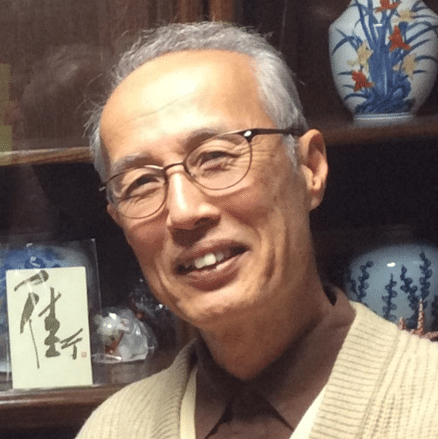
Mitch Tani (mtaniwoh@gmail.com) is a fifth generation Christian with an MBA in marketing. He has children with developmental disabilities and was moved to participate in Wheelchairs of Hope (k-kurumaisu.org/en) after hearing from Mary Esther Penner about this ministry which started with Daniel’s wheelchair. He and his wife joined Mary Esther in the wheelchair ministry, where both volunteers and wheelchair recipients experience love and can find hope in Christ. Spurgeon.
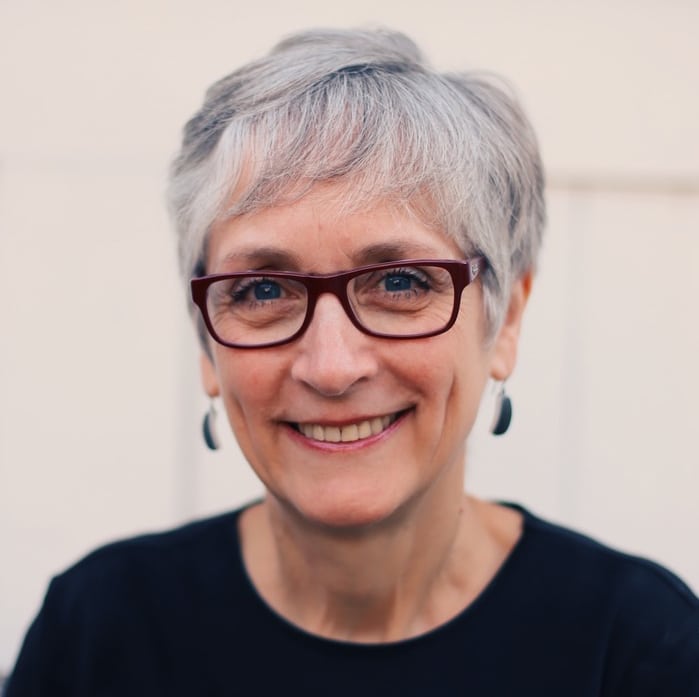
Mary Esther Penner (m.penner@worldventure.com) is a missionary who has served with WorldVenture for more than 40 years. Together with her friends, she started Wheelchairs of Hope (k-kurumaisu.org/en), a nonprofit organization in Japan. She is Daniel’s mother.
EMQ, Volume 60, Issue 4. Copyright © 2024 by Missio Nexus. All rights reserved. Not to be reproduced or copied in any form without written permission from Missio Nexus. Email: EMQ@MissioNexus.org.




