EMQ » April–July 2024 » Volume 60 Issue 2
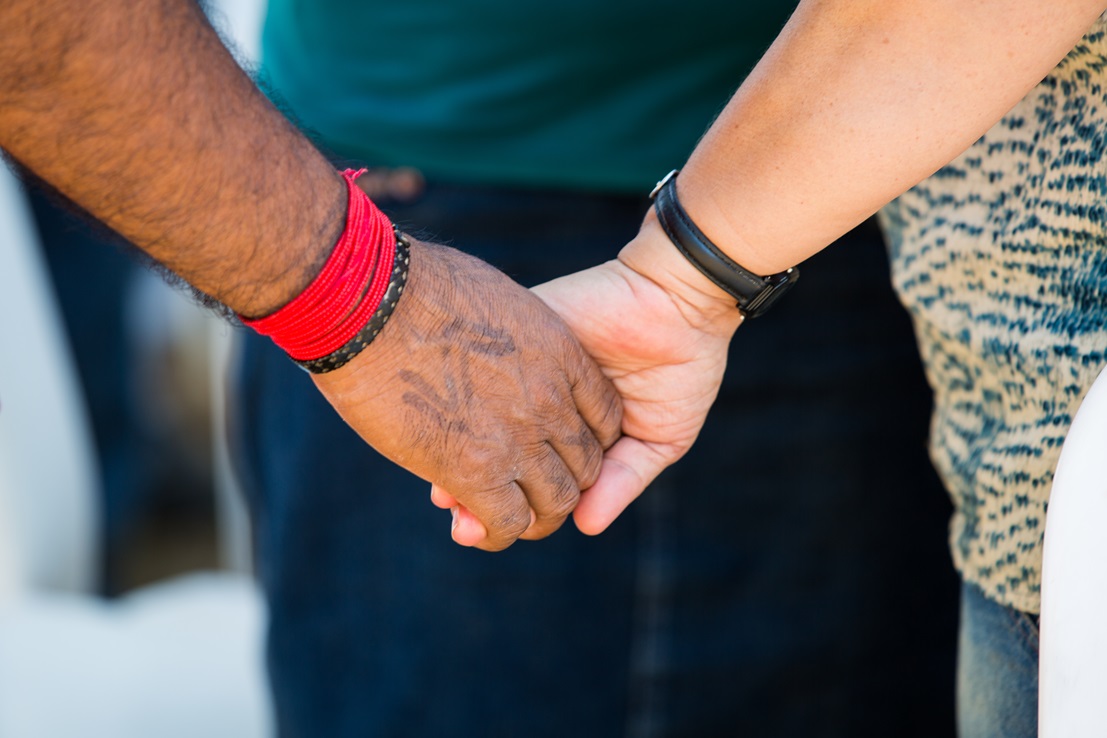
Summary: Indigenous Christians are realizing that the church does not belong to any ethnic group. They see that unity and collaboration applies to the whole church and are the way God desires for his people to participate together in what he is doing. And they are joining with their global brothers and sisters as equal partners in participating with God in his global mission.
By Henrique Dias Terena and César Rodríguez Sáenz
In some Indigenous villages, parents and grandparents still sit with their children and grandchildren early in the morning to share oral instructions for life. Unity is a core part of the Indigenous identity which is communicated through advice like this:
- To the parents: “The life you show to your children, that is what they will be when they grow up.”
- To the children: “What you are today at home, that is what you will be with your spouse, children, and community.”
In an Indigenous village, no one sits around analyzing the definition of unity. It is communicated through daily life. Being a good person entails being in harmony with those with whom you live and relate. Indigenous people have a collective mentality, meet to make decisions together, and value the voice of each person in their village.
Today, the Indigenous reality is more complex. A balance must be made between the perceptions of the village Indigenous and the Indigenous who have been academically trained and learned Western culture. But unity remains an important value for tribal peoples across contexts. Young people still turn to the village elders for guidance when a threat is perceived that may have a consequence of damaging unity and harmony within the group.
An Expanding View of Unity
However, unity has had limitations. In the past, a village was made up of only one ethnic group, and usually all from a single genealogical line. So the shared sense of community and unity within one village was high. The bonds of familial kinship made communication and respect for the voice of elders easy to achieve.
Yet with people outside a particular village, even from the same ethnicity, connecting happened carefully. Interaction and integration with people outside a person’s own village was difficult. The conflicts between ancestors of people from different genealogical lines lingered leaving their descendants suspicious of one another.
Now we see people from different ethnic groups or even Indigenous and non-Indigenous getting married. This presented challenges to traditional ways of life, and the principles of coexistence had to be redefined. As a result, amongst some ethnic groups, multi-ethnic villages emerged where peoples of different ethnic groups lived together in a new kind of unity.
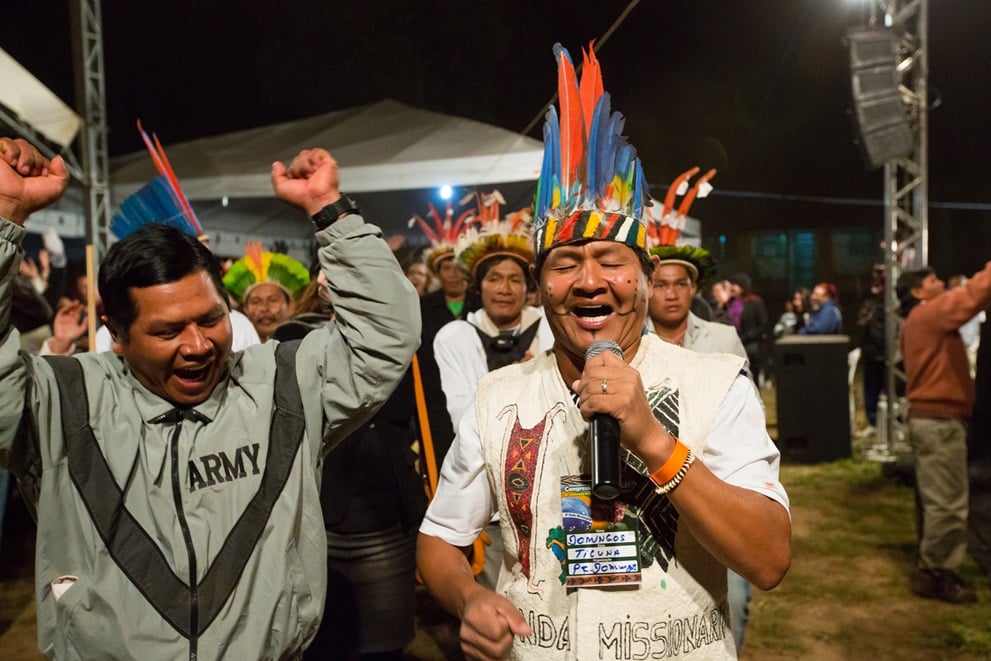
Many tribal people also came to see that some of their traditions went against God’s principles. In Matthew 22:37–39, Jesus said: “‘Love the Lord your God with all your heart and with all your soul and with all your mind.’This is the first and greatest commandment. And the second is like it: ‘Love your neighbor as yourself.’” This means that love and unity must continue to extend beyond the boundaries of kinship and ethnicity.
Working Together in God’s Kingdom
The concept of collaboration has a practical and historical application in the Indigenous experience. Generally, ethnic groups each have a particular way to work the land. During each phase of work, they convene and agree on how to do it in collaboration with each other.
When the land needs to be prepared, they orally coordinate the work – nothing in writing – determining how, when, and where they will start and finish. The time they are going to invest in this is also defined. When planting time arrives, their work together is again planned with verbal agreements. This happens once more at harvest.
As more tribal peoples have experienced the transformative power of the gospel, God has worked in their hearts to strengthen bonds across tribal lines. Mutual collaboration is in God’s plans, and it is built on humble service and genuine love. Galatians 5:13–14 provides us an important picture of what this looks like: “You, my brothers and sisters, were called to be free. But do not use your freedom to indulge the flesh; rather, serve one another humbly in love. For the entire law is fulfilled in keeping this one command: ‘Love your neighbor as yourself.’”
Some of the missions work in the past implemented among tribal groups was not adequately contextualized to the Indigenous reality. This hindered spiritual growth and healing. But today, the tribal church is getting to know its heavenly Father better. It is gaining a greater understanding of the biblical perspective of being part of the Lord’s church and the great privilege of being a child of God.
Indigenous Christians are realizing that the church does not belong to any ethnic group. As God moves in their hearts, people are reconciling with their neighbors from other communities. Today, Indigenous evangelicals see each other as children of God and joint heirs of his kingdom. Together, the tribal church is challenged by the Word to walk in unity and collaboration.
As we move forward in acceptance of the Lord’s direction, we have confidence that fellowship and harmony are key to gospel advancement. Unity and collaboration applies to the whole church and are the way God desires for his people to participate together in what he is doing. He is challenging the whole church to shift its perspective of serving from transactional to relational. The tribal church is responding and joining with its global brothers and sisters as participants side-by-side in the mission of God.
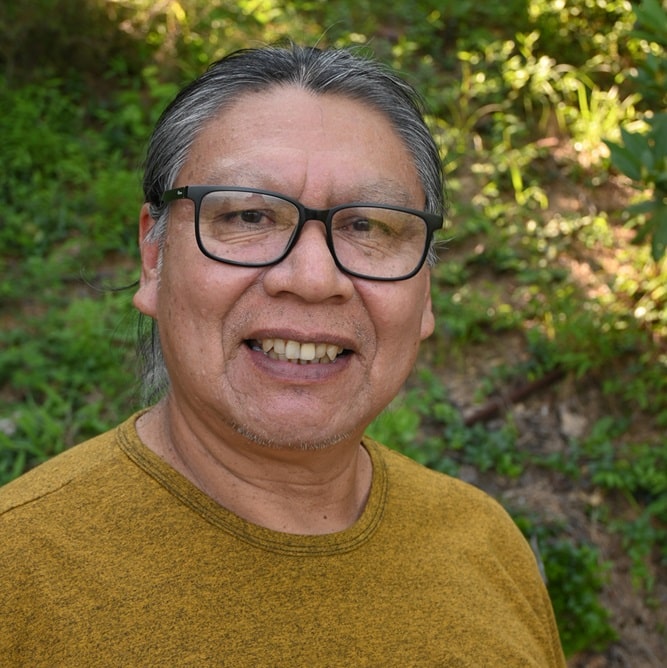
Henrique Dias Terena (redtransamazonica@3olas.org, hterena@gmail.com) is the national president of CONPLEI (Conselho Nacional de Pastores e Lideres Evangélicos, conplei.org.br), the national council of evangelical pastors and leaders. He is also the president of the Trans-Amazon Network, a network of Indigenous Christian leaders in the Amazon and lowlands region. He is married to Corina Dias, and they have two children. He is a presbyterian pastor and is licensed in theology and missiology. He lives in Brazil and is from the Terena Indigenous community.
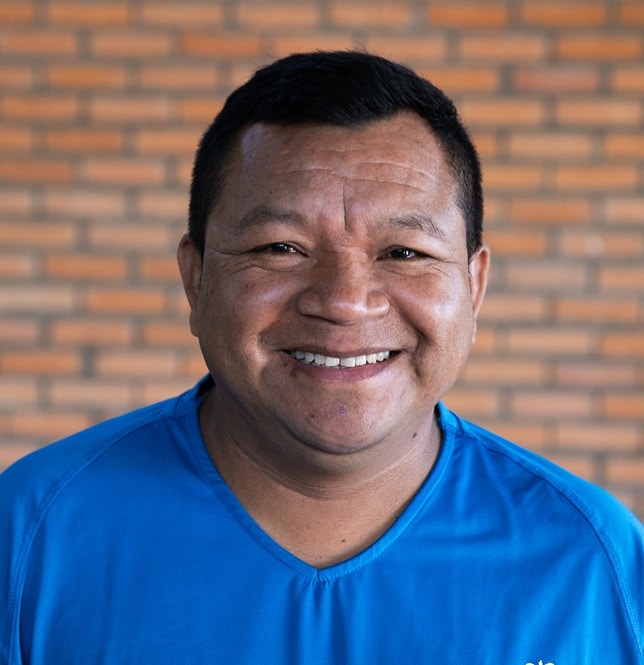
César Rodríguez Sáenz (cesarsaenz1986@hotmail.com) is the national president of LICAC (La Red de Líderes Indígenas Cristianos de la Amazonía Colombiana), the network of Indigenous Christian leaders of the Colombian Amazon. He is also the secretary of the Trans-Amazon Network, a network of Indigenous Christian leaders in the Amazon and lowlands region. César has a degree in theology and pedagogical sciences, and a diploma in effective communication. He is a pastor and missionary to the Amazonian ethnic groups. He and his wife, Solangy Gómez, have two children. He lives in Colombia and is from the Puinave ethnic group.
EMQ, Volume 60, Issue 2. Copyright © 2024 by Missio Nexus. All rights reserved. Not to be reproduced or copied in any form without written permission from Missio Nexus. Email: EMQ@MissioNexus.org.