EMQ » January–April 2024 » Volume 60 Issue 1
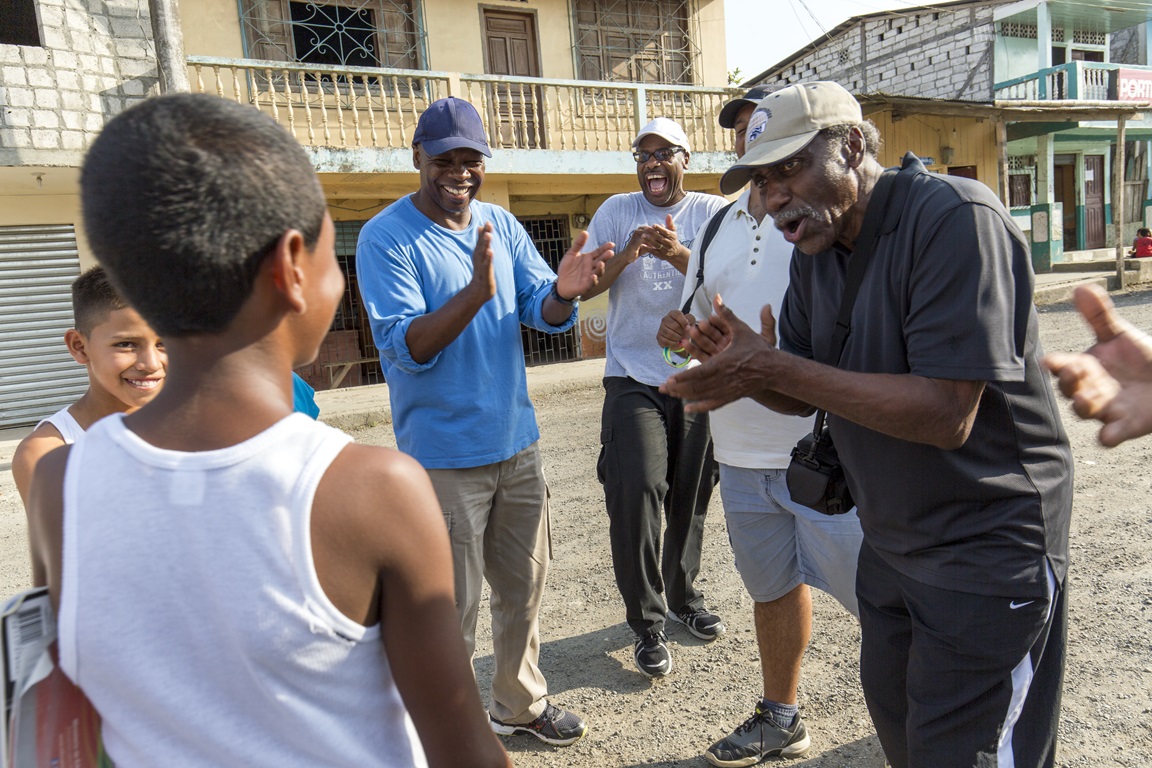
Summary: Immense global changes are affecting every aspect of missions. Missions models are getting flatter. And local churches are increasingly engaging in aspects of missions previously reserved only for mission agencies or large NGOs. Polycentric alliances offer a way for a wide range of mission participants, including churches, to work together to address missional challenges.
By Ellen Livingood, Matthew Philip, and Scott White
As change reshapes many aspects of missions today, a growing number of churches are hungering to engage in shared missional endeavors with others from literally all over the globe. Local churches are stepping up and into spaces that in the past were generally reserved for mission agencies and larger NGOs. Missions models are getting flatter and more complex as churches lean into more proximate engagement and discover opportunities to walk alongside others in global missions.
We believe that truly polycentric alliances offer a better way to engage the full range of resources God has invested in the variety of mission participants (including local churches), to better address today’s complex missional challenges. There are opportunities for polycentric missions and collaborative leaders to form more synergistic, multi-polar partnerships for greater kingdom impact.
We describe healthy polycentric missions as the engagement of multiple entities to become a relational community working together to achieve a shared, missional outcome. Further, polycentric missions recognizes the essential of reciprocity as each participating entity becomes a partner. As partners they not only contribute to the common purpose(s) that birthed the shared mission but also commit to helping each other flourish as they journey together.
Fulfilling these varied purposes requires a commitment to community, flexibility, and sacrificial generosity. The following examples illustrate the varying degrees of complexity and different organizational approaches polycentric missions can take.
Gyergyo, Budapest, and Lansing
In 2015, a small evangelical church in Gyergyo, located in predominantly Catholic northeastern Romania, approached a church in Lansing, Michigan with a request. The Gyergyo church had heard about the partnership between the young adults of a congregation in Budapest, Hungary with a church in Lansing. They wanted to know if a partnership like this could be replicated with them.
As the leadership at the Lansing church considered this invitation, they wondered if a modified missions model centered around the Budapest church and its young adults might be the better approach. Over the next few months, they shared ideas, constructed scenarios, and evaluated options of what a three-way partnership could look like. Their shared values of power-balancing and launching emerging leaders, as well as a willingness to fail and learn as they experimented on the way forward, were crucial. A web of friendships among the churches undergirded the whole initiative.
Adapting the Multi-partner Collaborative Model
The Gyergyo church owned the outcomes. They agreed that the Lansing church would not execute a plug-and-play summer youth program with them as recipients. Instead, they changed their mindset to own the ministry and rely on their Budapest friends as their primary resource. The Gyergyo church leaders also began to reexamine and better define their desired outcomes for their young adults.
The Lansing church downshifted its mindset to a third-chair position. They released curriculum and program design to the Budapest church and cheered them on as Hungarian leaders reworked the curriculum adding their own unique elements. The Budapest and Gyergyo churches sometimes engaged directly without the Lansing church present. US dollars were matched by gifts in the local currencies in Hungary (forints) and Romania (leus) as shared leadership led to shared resourcing.
The Budapest church stepped up to serve as the linchpin. They coordinated leadership, prayer, logistics (shared with the Gyergyo church), and fundraising (a first-time activity for them!). More significantly, this 20-year-old church realized they were now the ones on mission across a national and ethnic boundary.
There were numerous Zoom calls to clarify roles and to provide assurances that all were committed to the desired outcome and the new journey to get there. Various types of coaching took place. Young leaders in each church prioritized working together over just hosting an American summer project.
Results
This shoulder-to-shoulder missions engagement provided a platform for healthy interdependence across multiple centers of influence. As each partner was listened to and honored, polycentric efforts increased mutuality and nurtured a shared spirituality. Significant fruit developed far beyond the summer project that initially brought everyone together.
Today, the Gyergyo congregation has grown to be the most influential church in their region of Romania. They have a virtual presence on social media in the tens of thousands, a coffee shop, a renovated church in the central square of the town, a used clothing center, a school for the Roma (often known as gypsies), etc. Not a single foreign missionary is onsite. These results were all powered by young adults who, instead of having to host an American summer project, became strong leaders stepping up into local missions responsibilities undergirded by deep friendships with two foreign (Hungarian and American) churches who modeled shared leadership.
The Budapest and Lansing churches also experienced reciprocal benefits: One gifted young man emerged from the group of young Hungarian leaders to become the current senior pastor of the Budapest church, freeing the founding pastor to start a new ministry among the Roma. Members of the Lansing youth group were also influenced – one joined an international ministry at the local university, and others launched a house church. Over the years, many of the leaders of all three churches have visited each other and attended conferences together. The relational community of friends has continued.
This foray into polycentric missions, led by leaders not only committed to kingdom values but also willing to take risks, has been a catalyst to reexamine and refresh many current partnership models.
Cambodia/US Polycentric Missions
The prefix poly carries an expectation of a co-generative posture. It challenges the clichéd wisdom that warns against too many cooks in the kitchen. Believing in collaboration, Lake Avenue Church in Pasadena, California, helped to develop and implement a multi-church, multi-entity partnership in Cambodia that thrived precisely because it had multiple cooks bringing their unique contributions to our shared effort. Throughout the decade of partnership, roughly 2005–2016, our understanding of polycentric mission continued to be a work in progress as we learned together.
A Central Hub and Partner Spokes
This polycentric missions effort was anchored by World Relief-Cambodia (WR-Cambodia) and its then country leader, Tim Amstutz, whose commitment to a polycentric approach arose from his experience as an MK in India and his father’s model of mission ministry.
“My dad demonstrated that the power of the Gospel cannot be owned by any one person, church, denomination, or mission agency,” Tim says. “It belongs only to God. Therefore, I believe polycentricity in mission is about releasing power and control to others.”
The Western-world partners were US churches from a variety of denominations recruited by World Relief USA (WR-USA) based on their prior collaboration with World Relief in both the US and Cambodia. Each church already had extensive global experience and had demonstrated a posture of serving alongside WR-Cambodia which in turn was the local NGO walking alongside emerging cell churches. These new congregations were being birthed in multiple provinces. At that time, this country was less than 0.5% Christian, so most churches were led by first-generation Christians.
The final partnering entity was a YWAM ministry already working locally with WR-Cambodia to develop leaders from the Khmer people for the emerging cell churches. This leadership development piece was their singular though essential contribution to our collaborative effort. As an exception to our overall polycentric process, the YWAM program minimally and only indirectly interacted with the US church partners.
On the part of the US churches, there was a complex and challenging web of relationships. Each church committed individually to the core mission but also embraced mutually beneficial relationships with one another and sought to expand their existing partnerships with WR-USA and WR-Cambodia.
Foundational Clarity and an MOU
The partnership began with shared values of intentionality and commitment. They intentionally wanted to test a new model of mission and were committed to working through the issues that were certain to arise.
“Where it succeeded, the mission did so by creating and living out a deeper understanding of reciprocity,” Tim explains. “Each partner – US churches, World Relief, the Cambodian staff, and communities of believers and non-believers in the villages of Cambodia – acknowledged that none of us had all the answers, but we each had something important to offer and to learn from one another.”
The initial, iterative polycentric model of collaboration was created by a group comprised of WR-Cambodia senior staff who were a mix of Cambodians and Westerners, a representative of WR-US, and the outreach pastors representing the various US churches. WR-Cambodia’s existing ministries and developmental activities, rooted in preexisting strategies, provided the foundation.
Working together in this multi-cook kitchen, they developed a framework that eventually resulted in an MOU. This MOU defined shared expectations, communication requirements, and prioritized means by which the church partners might contribute their unique skills and resources. The methodologies adopted were built on, but not limited to, the strategies employed by WR-Cambodia.
“I am grateful for the intentional way our US church partners entered into partnership through a covenant (MOU) that was discussed among all partners in advance,” Tim observes while reflecting on this cornerstone piece of the polycentric model.
“Over the years, we often referred back to the core principles of that covenant whenever we debriefed with the home team in Cambodia. Those core principles were reciprocity, a learning posture, a commitment to listen – especially to the culturally quieter voices – and an expectation that God and other partners would do the unexpected.”
Developing the Leadership Model
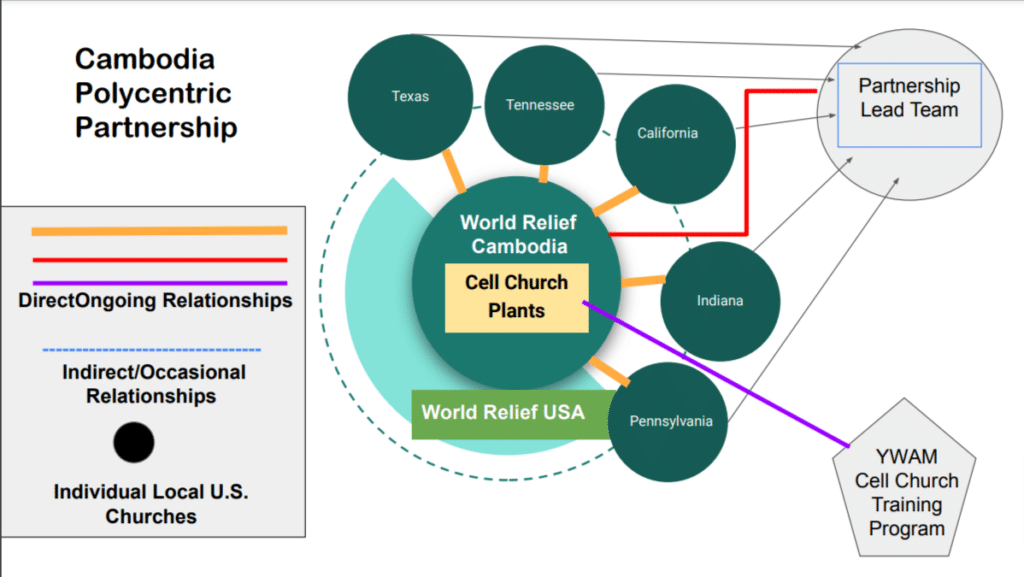
Figure 10.1: Cambodia Polycentric Partnership Model
From the conceptual document, the group moved on to defining polycentric operational activity that flowed in many directions (see Figure 10.1). Churches connected with one another, WR-Cambodia, and, to varying degrees, WR-USA. A partnership lead team met annually in Cambodia or in the US to coordinate partner church activity, pray together, and share relational, strategic, and operational updates. In addition, we held quarterly virtual meetings. Task forces and working groups were also formed as needed, sometimes led by WR-Cambodia and sometimes by one of the church partners.
This polycentric model brought its own challenges, partially because it was hard to shed prior models and realities they created. “Each party struggled,” Tim explains. “For those used to being in charge and having all the answers, it was hard to listen. For those who historically had been ignored or minimized, it was a struggle to muster the confidence to speak up.”
The Essential Role of Communication
Multi-level and multi-factor communication proved to be the greatest hurdle. Romroth Chuon, WR-Cambodia’s CFO and program operations manager, took this a step further. “Sometimes, early on, I felt it was hard to know whether they are pretending respect or really valuing our input,” shares Romroth. “We had to discuss until we were on the same page. It took a lot of effort to get each side’s buy-in, and then we had to work to contextualize it.”
An indication of this buy-in was the decision to recruit a partnership coordinator from one of the US church partners who would move to Cambodia and function as a connector and communications hub for all entities. This was achieved in the second year.
Results
Ultimately this polycentric model saw growth in all entities that were generated and/or facilitated by the partnership. Measurable progress included the following:
- Additional village cell churches were planted and existing ones expanded in size with better-developed leaders
- WR-Cambodia’s launch of an anti-trafficking program
- The installation of a network serving provincial IT office systems in Cambodia
- US church partners deepened practices of intercession, service, economic development as ministry and mutual submission developed.
Together and separately, through mutuality and shared commitment, God used this polycentric missions model to effectively advance his kingdom mission.
Additional Polycentric Model Essentials
Because the success of polycentric missions relies on the cooperation of highly diverse partners rather than on organizational control, they face multiple hurdles. Two additional elements are worth noting for their role in successfully engaging local churches. These can be illustrated by the polycentric partnerships developed by two of the Christian Reformed Church’s relief and development entities, World Renew-Uganda (WR-Uganda) and World Renew-Canada (WR-Canada), in collaboration with other strategic partners.
Facilitators with Skills and Time to be Effective Bridgers
This polycentric missions partnership, now over 15 years old, has flourished due to the essential role played by their skilled facilitators. These key players build vision and ownership among all partners, especially local churches embarking on their first such relationship. Each facilitator provides training in cultural intelligence and builds partnering skills. Perhaps most importantly, the facilitator continues throughout the partnership to be a problem solver and guide through the adjustments almost all such efforts require over time. In short, the facilitator is an essential bridger (as the role is designated in Uganda) or coach (the parallel role in Canada).
Dr. Richard Mutava, director of World Renew-Uganda emphasizes, “[Our polycentric partnership] structure is deliberately designed to include tools, persons, and defined processes that help partner churches understand the dynamics involved. Coaches and bridgers act as facilitators and partnership development managers. They are go-betweens to ensure that communication and decision making are not lopsided and ensure that predetermined processes are followed, expectations are clarified, and the savior syndrome is contained.”
In short, highly qualified facilitators have proved themselves essential to World Renew’s church-to-church partnership model and to the success of other examples we do not have space to include here.
Humility in Passing the Baton
As all of these models illustrate, the heart of polycentric mission is mutual commitment to shared goals achieved under local leadership. This requires Western partners to take the backseat and to serve when/as requested, resisting even the most subtle means of using influence or funding to promote their own agenda.
“It is not easy for Western churches to surrender the leadership, and occasionally there is a desire to take control and make things move faster, especially when it comes to making decisions,” Dr. Mutava summarizes, “Stories of success and best practices from other churches that have walked a similar journey can help new churches see the advantages.”
A Path Forward
Polycentric missions is not easier, but our experience confirms to us that it is better. Our world with its multicultural dynamics and vastly diverse contexts seems an ideal setting to experiment with fresh models such as these that we believe offer promise of more authentic kingdom impact. We would encourage churches and organizations that have begun walking a polycentric journey to use their experience to encourage others to take a similar road of collaborative missions.
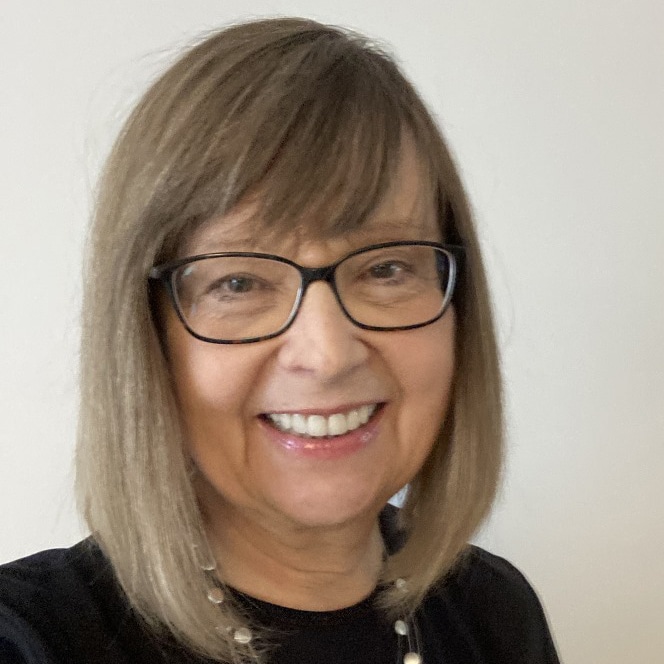
Ellen Livingood (ellen@CatalystServices.org) launched and directs Catalyst Services (catalystservices.org) to help churches, mission agencies, and networks more fully engage believers’ God-given gifts and passion for global outreach. Catalyst serves churches and ministries across North America and, increasingly, around the world via resources, coaching, and connecting.
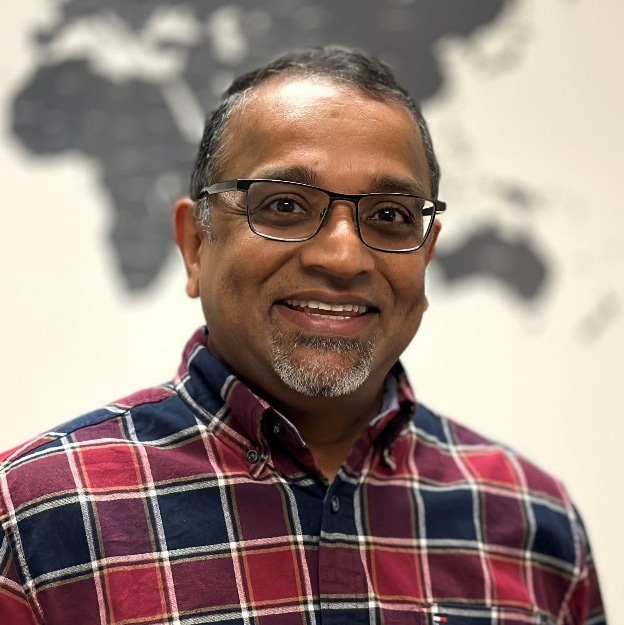
Matthew Philip (matthewaphilip@gmail.com) loves being part of conversations where teams lean into unchartered waters and complex challenges. He currently serves as global engagement lead at Crossroads Church in Evansville, Indiana. His missions background includes work as a missions pastor, director of operations for Urbana 2003 and 2006, ministry in India, and life in Nigeria. His journey at Fuller Theological Seminary significantly shaped his worldview.
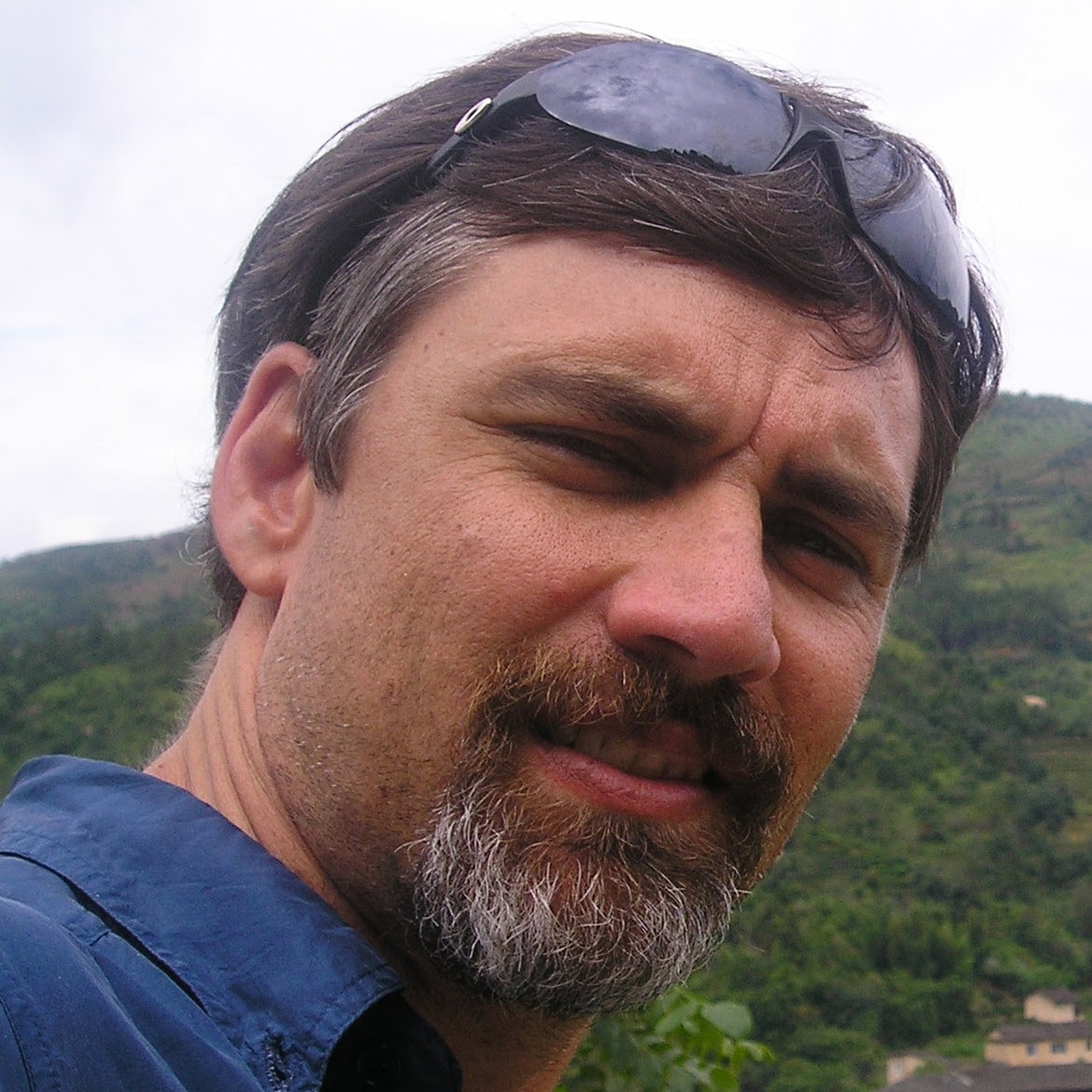
Scott White (Scottwhiteinbox@gmail.com) served as a missions pastor and mission coach/mobilizer for 20 years, working in over 40 nations, and currently serves as executive director for a missions-focused non-profit in Southern California.
[i] Rueben Ezemadu, “Missionary Efforts in Africa: The Nigeria Case Study,” in Contemporary Issues in African Missions: Papers in Honour of Rev Dr Reuben E. Ezemadu, ed. Kayode Owojori (Ibadan: ACCLAIM, 2020), 60.
[ii] John Ferguson, Some Nigerian Church Founders (Ibadan: Daystar, 1971), 4.
[iii] Ezemadu, “Missionary Efforts,” 61.
[iv] J. Lowry Maxwell, Half a Century of Grace: A Jubilee History of the Sudan United Mission (London:1954), 216.
[v] Maxwell, Half a Century, 232.
[vi] Selome Igbekele Kuponu, “The Living Faith Church (Winners Chapel) Nigeria: Pentecostalism, Prosperity Gospel and Social Change in Nigeria,” a PhD Dissertation Submitted to the University of Bayreuth (July, 2007), 6.
[vii] Isaac Oyebamiji, Travail and Triumph: The Story of CAPRO (Jos: Tishbeth Publishers, 2012), 35–36.
[viii] Evangelical Church Winning All (ECWA) is a denomination founded when churches closely associated with SIM came together.
[ix] Peter Boma, Dotun Adeboye, Victor Idakwoji, Adeoluwa Olanrewaju and Musa Gaiya, eds., Nigeria Evangelical Missions Association (Jos: NEMA, 2022), 8.
[x] The International Missions Conference (ICOM ’85).
[xi] Panya Baba, introduction to The Final Harvest, ed. Niyi Gbade(Jos: NEMA, 1988), 1.
[xii] Baba, The Final Harvest, 1.
[xiii] This information is as provided by the Monitoring, Evaluation, Learning and Research Department of the Nigeria Evangelical Missions Association.
[xiv] Philip Jenkins, The Next Christendom: The Coming of Global Christianity (Oxford University Press, 2002), 3
[xv] Dean Carlson, “Cultivating Global Collaboration to Ehnance African Mission Efforts” in Contemporary Issues in African Missions: Papers in Honour of Rev Dr Reuben E. Ezemadu, ed. Kayode Owojori (Ibadan: ACCLAIM, 2020), 139.
EMQ, Volume 60, Issue 1. Copyright © 2024 by Missio Nexus. All rights reserved. Not to be reproduced or copied in any form without written permission from Missio Nexus. Email: EMQ@MissioNexus.org.