EMQ » July–September 2023 » Volume 59 Issue 4
[mepr-show rules=”100329″] [/mepr-show]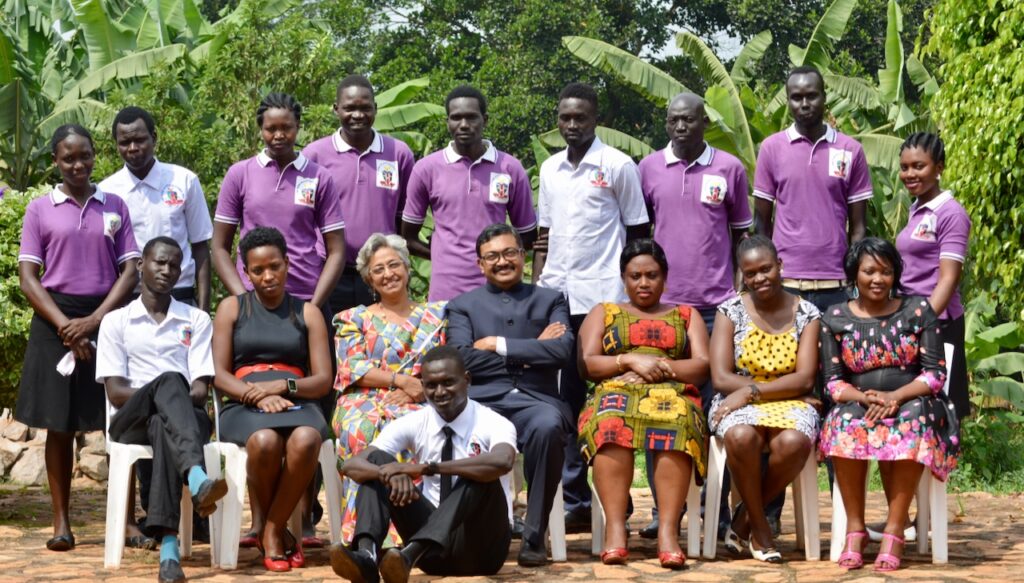
Summary: My wife, Shalini, and I moved from India to East Africa as medical missionaries, in 2014. In partnership with others, we trained more than 100 South Sudanese people to help fill the country’s desperate need for more healthcare workers. We also discipled young men and women to encourage them to follow Jesus Christ. And through the combination of these ministries, we saw the seeds of transformation sown into our students and their communities.
By Anil Cherian
On a sunny morning in September 2014, I walked into the department of immigration in Uganda’s capital city. I went up to the window of the visa officer and handed him our applications for 1-year missionary visas. As he read our forms, he looked up at us with wide eyes and stared for a moment. Then he said, “Christian missionaries from India! I thought you only came to do business.” After asking my young Ugandan colleague, Gilbert, multiple times if our claim to be Christian missionaries was authentic, he finally relented and stamped our visas.
About two years earlier, Dr. Vinod Shah – the CEO of the International Christian Medical and Dental Association (ICMDA) – approached my wife, Shalini, and me with an offer. ICMDA had agreed to start a health training institute in partnership with the ministry of health of the Republic of South Sudan and the Episcopal Church of Sudan. The institute would educate South Sudanese young people to be healthcare professionals.
Dr. Shah wanted us to move to East Africa as healthcare missionaries to lead this initiative. We had only learnt about South Sudan a year earlier and had never dreamed that God would call us to move to Africa. But we agreed and moved to the region in early 2014. Uganda’s proximity to South Sudan and large diaspora community of South Sudanese, made it a strategic place to begin.
South Sudan – The Newest Nation in the World
The Republic of South Sudan became a nation in July 2011 after nearly 50 years of civil war between the government of Sudan based in Khartoum in the north, and the ethnic groups of the south. The conflict highlighted divisions in race – the people of the south are considered black and the people in the north are considered Arab. An added layer is religion with the north claiming Islam as the predominant faith and the south, Christianity.
Millions of people died of starvation and disease during this long war. Millions more – particularly children and young adults (e.g., the lost boys[i]) – became displaced refugees living in camps in Kenya, Ethiopia, and Uganda. Many of these lost children eventually made their way to the US, Canada, or Australia as asylum seekers.
With almost no industry, no large-scale agriculture, and hardly any semblance of modernity, South Sudan entered statehood as one of the poorest nations in the world. South Sudan’s only major revenue source came from selling crude oil which had to be piped up north and exported through Sudan’s ports on the Red Sea. Mobile telephones and banks only arrived in South Sudan in 2005. At independence, no paved roads, electricity grids, hotels, or postal system existed. And South Sudan’s population of 10–12 million had little to no access to even basic healthcare services. As a result, they had some of the worst health statistics in the world.
The country had less than 200 qualified health workers and very few doctors or nurses. Most health facilities were managed and run by paramedics or foreign health professionals brought in by international or pan-African NGOs. The Christian presence in healthcare was almost negligible. It was in this context that the Minister of Health of South Sudan invited the Anglican Church to get involved in improving healthcare. This request, in-turn, was forwarded to the ICMDA office in 2011.
God Directs, but We Must Obey
It took Shalini and me nearly a year of prayer, discussion, and consulting with friends, mentors, and family before we accepted the offer. We assumed that our missional arena as Christians in India was the unreached and underdeveloped regions within our own country. We had worked all our professional life in various Christian mission hospitals in remote, rural locations in northern India. As young doctors from the south of India, going there felt as foreign as moving to sub-Saharan Africa!
Back then, few Indian mission organizations sent missionaries to other countries. The Indian Evangelical Mission sent a couple to Papua New Guinea, and some people had gone to other parts of South Asia and even Africa as short-term missionaries. But full-time, long-term medical missionaries going to other parts of the world was unheard of.
Let me not mislead you. Many generations of Christians from India have gone to almost every corner of the world. However, they’ve primarily gone for employment or business with international agencies and the UN. They did not go as Christian missionaries. Our decision became tougher when friends from the UK and US expressed concerns because our practical knowledge of Africa, preparation, and support systems were limited.
We had our own doubts and uncertainties. Others prepared us to embrace failure, warned of the many challenges, and even told us to write our wills. After many sleepless nights in prayer and contemplation, we clearly sensed that God was calling us to step out in faith. The probability of failure and disaster were high, we went ahead in trust and obedience.
Missio Dei
We put our confidence in God. This was his mission, and he would equip, train, prepare, and provide for us. After we moved to Uganda, local people would ask us about our faith or if we were Christians. We would say that the Lord Jesus called us, and we followed him all the way here. What we set out to do is best captured by the words of the preamble of the NGO, Christian Health Initiatives, that we registered in South Sudan:
“The founding members – compelled by their faith in Jesus Christ, and their desire to obey him – will seek to serve the poor and marginalized people of the nation of South Sudan, and its neighboring countries in Africa. They have come together with the intention of carrying out programmes that will promote health, build the capacity within the healthcare system and in communities, thereby improving the access of people to quality preventative and curative health care, and eventually impacting the overall wellbeing of the people. Health is understood to refer to a state of holistic wellbeing that is determined by multiple social, economic, cultural, political, and spiritual factors. … So the organization’s work is not limited to just the care and treatment of people with illness and disease but will strive to be broad and holistic. All the activities of this organization will be undertaken in the spirit of Jesus Christ so that people may come to know him in word and deed.”[ii]
Dr. Peter Parker, founder of the Medical Missionary Society of China in 1838, first coined the term medical missionary. He suggested that this term be used to refer to medical professionals who, in their imperfect way, seek to follow the example of Jesus Christ to heal the sick, the blind and the lame.[iii] As we followed the call of Jesus Christ to East Africa, we found that we fit Dr. Parker’s definition.
Missional Healthcare – Person Reflections from India
God shaped our understanding of missional healthcare and holistic biblical mission even before we arrived in Africa. Our education began during our time as medical students at the Christian Medical College in Vellore, India. American medical missionary Dr. Ida Sophia Scudder[iv] started this college more than 100 years ago in a small rural town in India. At that time, the healthcare context in India was probably similar to South Sudan after independence.
Dr. Scudder established this small medical school to train Indians, especially women, as healthcare professionals who could work as medical missionaries in rural and needy parts of India. As Dr. Scudder described it, “We are not here to merely run a medical school but to build the kingdom of God.”
The history, traditions, and the stories that we heard as medical students of the many generations of medical missionaries from all around the world who came to develop health in India became rooted in our young minds. So the desire to emulate them was embedded in our DNA. We learnt that God’s mission of redemption and salvation through Jesus is holistic. It encompasses all the needs of a person including the need to be reconciled with God and to be freed from the chains of sin.
Biblical Health and Whole Person Care
I began my medical career working in a leprosy hospital. Effective medical treatments can now kill the slow growing bacteria that causes leprosy, but this disease continues to carry a strong stigma. In addition to medical treatment, most patients also need to heal from the shame of rejection, loss of dignity, and invisibility that they experience from their spouses, families, and society at large when others find out they have leprosy. As a Christian caring for these patients, I realized that my mission had to go beyond medical treatment. To help these patients be truly well, I needed to be an instrument of God’s hope and love.
My reflections from that period came back to me many years later when we began working with people with HIV/AIDS in 2000s. Though it is a different disease, the people who contracted it had similar experiences of isolation and rejection as those with leprosy. I worked with a group of Christians friends at the Emmanuel Hospital Association (EHA)[v] to develop the CHASINI HIV prevention programme in North India.
Together we reflected that it was important that HIV not be seen merely as a medical problem caused by an evil virus. Our understanding of biblical healthcare needed to begin with seeing health problems such as this through a biblical lens. We agreed that our view of it needed to be rooted in a biblical understanding of sin, and its wider implications on people and society.
Sin has broken the relationship between God and man, corrupted the relationship between men and women, broken down marriages and families, and is the source of the poverty behind the commercialization of sexuality and human trafficking. Out of these reflections we pioneered the Whole Person Care programme over the next decade in India.
While my wife, Shalini, along with other clinicians formed whole person care teams in the hospital, I moved on from clinical work to do community health and development. To be transformative, EHA had to shift the narrow emphasis of its previous health programmes to reflect the biblical definition of health as a complete state of wellbeing.
Programmes that promoted health through prevention, community health education, and improved primary healthcare continued. And we also started programmes for improving school education, non-formal education of girls, microenterprise and savings, livelihood projects, and watershed management. We began working with people with disabilities, mental illness, commercial sex workers, and drug addicts. We broke the traditional silos of public health and social development to explore newer avenues of engagement. Amazingly, many of the community groups that we worked with later became small worshipping groups and then churches.
Missional healthcare programmes now involved people with different talents and gifts engaging the wider community of Christian believers from lay counsellors, social workers, Bible college graduates, and agriculture workers. They were not restricted to doctors, nurses, or other health professionals. This harnessed more of the God-given potential of the Church to be transformational.
Transformational Education – Our Mission in South Sudan
When Shalini and I began our ministry in Uganda in 2014, we selected 50 men and women from all over South Sudan and brought them to Uganda to begin their education. We provided pre-service professional training in clinical medicine, public health, general nursing, and midwifery following a standard curriculum for diploma courses prescribed by the Ministry of Health of South Sudan. This training was done in partnership with other Christian mission hospitals in Uganda and Kenya including the Mengo Hospital – the oldest Christian mission hospital in East Africa which was started by CMS UK[vi] almost 100 years ago.
In 2019 we relocated the Health Training Institute from Uganda to South Sudan on the request of the South Sudan government. And by the end of 2022, we had trained more than 100 clinical officers, public health officers, nurses, and midwives.
We started this mission in response to the critical shortage of health workers in South Sudan. Global experts estimate that a country needs a health workforce of at least 4.5 per 1,000 people in order to reach the UN’s sustainable developmental goals.[vii] On average, countries in Africa have about 1.4 health workers per 1,000 people. However, due to their 50-year war, South Sudan had only 0.16 health workers per 1,000 people. This huge shortage of personnel meant that people in South Sudan lacked access to even the most basic preventive and curative healthcare services. This alone was a legitimate reason to go to South Sudan as medical missionaries.
But our deeper desire was to be co-workers with God in drawing people to his kingdom. Pioneering work in cross-cultural settings comes with tremendous challenges, and in many ways our work was just another drop in an ocean of need. Our previous Christian mission experience in northern India and our faith helped to propel us forward. Just like Jesus asked his disciples to feed the five thousand with the little food that is available, we knew that God was able to perform a miracle and use our small contributions to further his purposes in this part of the hurting world.
While we were there to train health workers for South Sudan, we were also there to disciple young men and women and to encourage them to follow Jesus Christ. As one of our nursing students said, “They are here to teach us about health, give us medical knowledge and skills, but they are also here to teach us from the Bible how to live as Christians.” While the curriculum is primarily designed to teach bio-medical health, we were eager to teach them from our biblical understanding of health and healing.
Discipling Young People in Formal Education
Discipling young people requires a lot of investment beyond just delivering curriculum. We conducted regular Bible studies and annual spiritual retreats. Students told us these had a major impact on their lives. But we also learnt that not all students could be reached by these conventional methods. As we spent time getting to know students and listening to their life stories, God’s Spirit provided us with unique opportunities to touch their lives.
We did not start with a definite road map for discipleship, but a pattern evolved over time that we called transformational learning. Our goal was that our students would not conform to the pattern of the world but be transformed by the renewing of their minds (Romans 12:2). To reach this, we intentionally integrated Christian faith and teaching in every aspect of our program from curriculum to community life. We cultivated opportunities for deep discussions that included confronting students with critical questions regarding their values and belief.
Co-centering transformational learning alongside conventional medical training is not intuitive. It required us to articulate and focus on long-term outcomes for our students. While we wished that all our students would become technically competent and skilled clinical officers, nurses, and midwives, we quickly realized that not all students can achieve the same level of academic excellence. Yet even the weaker students are created in God’s image and have the potential to become agents of transformation in their families, churches, and communities.
The seeds of faith were sown in all our students. Some of our graduates haven chosen to travel paths less travelled and serve remote and underserved parts of South Sudan and Sudan (like the Nuba Mountains). But even those that skipped Bible studies, were rebellious, or did not apply themselves during their studies have still gone beyond the prevalent social norms and brought change to their families and communities.
Going the Second Mile
While our mission in South Sudan was primarily focused on training health workers in response to the local situation, from time-to-time God placed other concerns on our hearts. Over the last five years, we also tried to engage with the local Church in South Sudan. We have helped them with primary and secondary schools, running a feeding programmed for children on the street, running a COVID-19 crisis facility, starting a mother and child clinic, distributing Bibles to waitresses in local restaurants, and teaching Bible studies at the local churches.
We began an English chapel service to reach out to university students, worked on training people in kitchen gardening, carried out medical research, trained a few people in community health and evangelism. Through it all, God has kept us humble, and strengthened us in our moments of weakness by the outpouring of his grace. It is our prayer that others from around the world will respond to God’s invitation to join us in this part of his mission and bless and multiply this ministry.
“The kingdom of heaven is like a mustard seed that a man took and sowed in his field. It is the smallest of all seeds but when it is grown it is the greatest of garden plants and becomes a tree, so the wild birds come and nest in its branches” (Mathew 13:31–32)
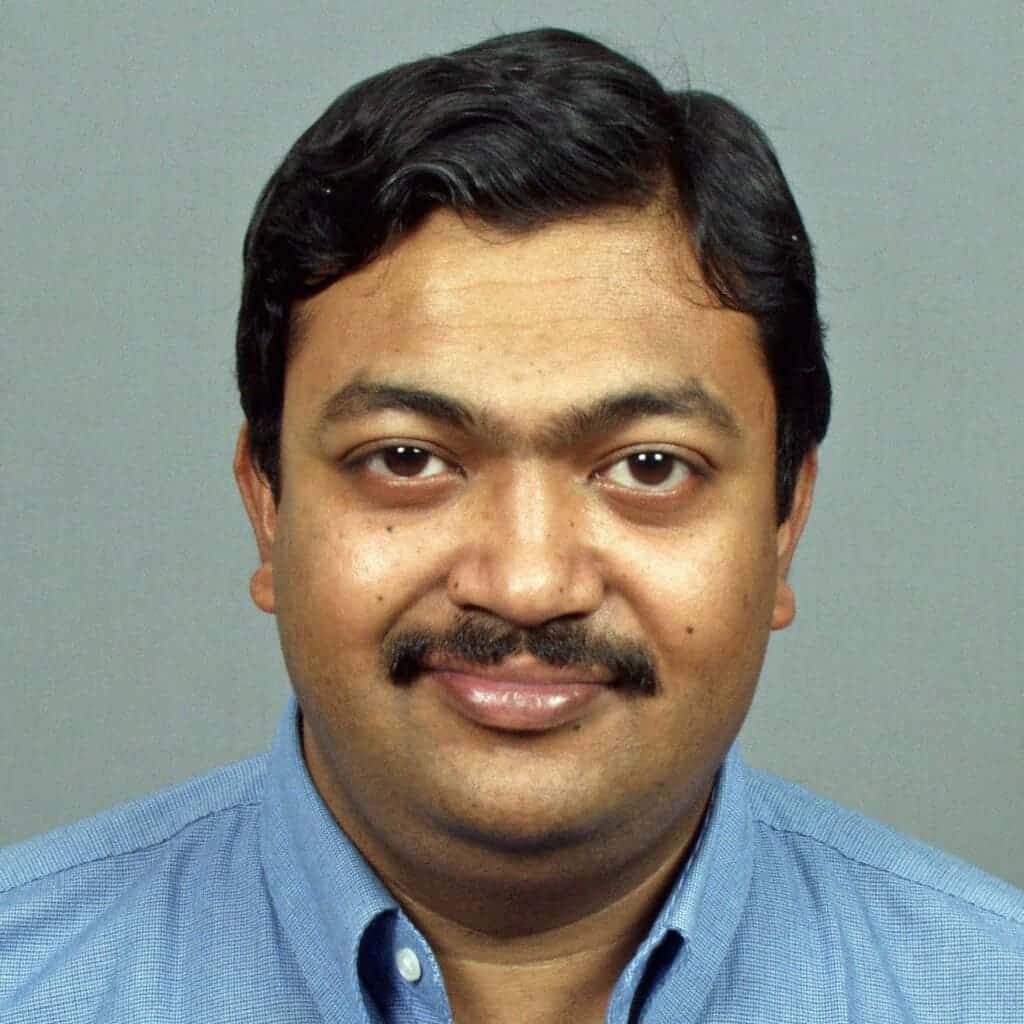
Anil Cherian (anilcherian@gmail.com) is a medical doctor from India who specialized in paediatrics and public health. He and his wife, Shalini – a medical specialist in obstetrics and gynecology – currently serve as Christian missionaries in South Sudan. Before moving to East Africa, they worked for over 20 years in rural hospitals in North India. They have two sons who are both qualified architects working in Los Angeles, California and in Bangalore, India.
[i] “Lost Boys of Sudan,” Wikipedia, last modified April 18, 2023, https://en.wikipedia.org/wiki/Lost_Boys_of_Sudan.
[ii] “Preamble,” Constitution and Memorandum of Articles, Christian Health Initiatives (CHI).
[iii] Theron Kue-Hing Young, “A Conflict of Professions: The Medical Missionary in China – 1835–1890,” Bulletin of the History of Medicine 47, no. 3 (1973): 250–272, https://www.jstor.org/stable/44450132.
[iv] “Dr. Ida Sophia Scudder,” Vellore Christian Medical College, accessed June 11, 2023, https://vellorecmc.org/about/introduction-to-dr-ida-sophia-scudder/.
[v] Emmanuel Hospital Association, https://eha-health.org/what-we-do/community-health-development.
[vi] “History of Mengo Hospital,” Mengo Hospital, accessed June 11, 2023, https://mengohospital.org/history/.
[vii] “Sustainable Development Goals,” United Nations, accessed June 11, 2023, https://sdgs.un.org/goals.
EMQ, Volume 59, Issue 4. Copyright © 2023 by Missio Nexus. All rights reserved. Not to be reproduced or copied in any form without written permission from Missio Nexus. Email: EMQ@MissioNexus.org.