EMQ » July–September 2023 » Volume 59 Issue 4
[mepr-show rules=”100329″] [/mepr-show]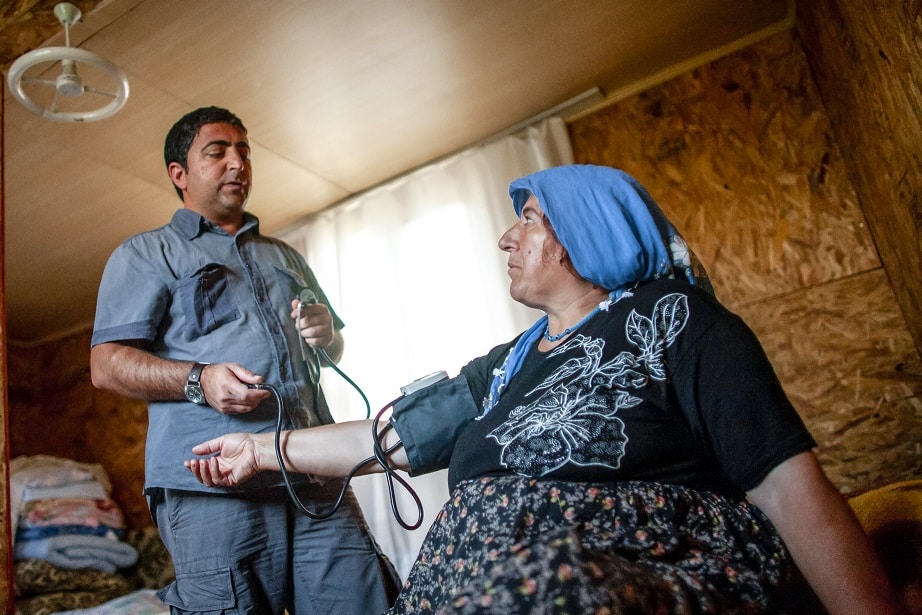
Summary: In the twenty-first century is healthcare missions viable and strategic? Are we mandated to meet the physical needs of people? If so, what do healthcare mission strategies look like today? Going forward, should we expect new evolving avenues for effective healthcare missions in view of political and population trends?
By Rebekah Naylor
Throughout Scripture we see that God is a missionary God. It begins with his call to Abraham and ends in the Revelation vision of a multitude of every language, people, tribe, and nation knowing and worshiping the Lamb – Jesus. God draws people to himself and restores their broken relationship with him through the death of his Son on the cross.
Jesus in his earthly ministry went about teaching, preaching, and healing (Matthew 9:35). In reviewing Jesus’ encounters with people in the gospels, most often he met a need and spoke about the kingdom of God and forgiveness of sin. He sent out the twelve disciples, and then later a group of 72 to preach and to heal. The book of Acts contains multiple accounts of people being healed.
In the following centuries of Christian history, acts of mercy were linked with spread of the faith. When plagues came killing thousands, it was Christians who stayed and cared for the sick. In the Middle Ages, monks and nuns in monastic orders were known for caring for the sick, and missionary movements arose. Acts of mercy continued to be linked with spread of the faith. Early Protestant movements, such as the Puritans and Moravians, engaged in education, treating the sick, and meeting the needs of the poor.
Through the nineteenth and twentieth centuries, a proliferation of mission schools and hospitals were founded throughout the world. The mission hospitals, our traditional picture of medical missions, were established in underserved, unevangelized places. Often, they were effective in helping to start churches.
But in the late years of the twentieth century, numbers of missionary personnel in these hospitals decreased due to rising government restrictions. The foreign subsidy required to sustain these institutions was large and sometimes impossible to provide. National personnel frequently were not prepared or equipped to manage the hospitals. The result was that by the end of the century many mission hospitals were forced to close.
In the twenty-first century is healthcare missions viable and strategic? Are we mandated to meet the physical needs of people? If so, what do healthcare mission strategies look like today? Going forward, should we expect new evolving avenues for effective healthcare missions in view of political and population trends?
The Twenty-first Century Missions Context
As we consider mission strategies to take the gospel to 4.7 billion people among whom Jesus is largely unknown, we must take into account the significant changes happening worldwide, today. The International Mission Board (IMB) reports that among the 12,111 people groups in the world, 7,258 are unreached, with evangelical Christians numbering less than 2% of each unreached people group. Of these unreached groups, 3,179 are unengaged with no church planting strategy consistent with evangelical faith and practice.[i]
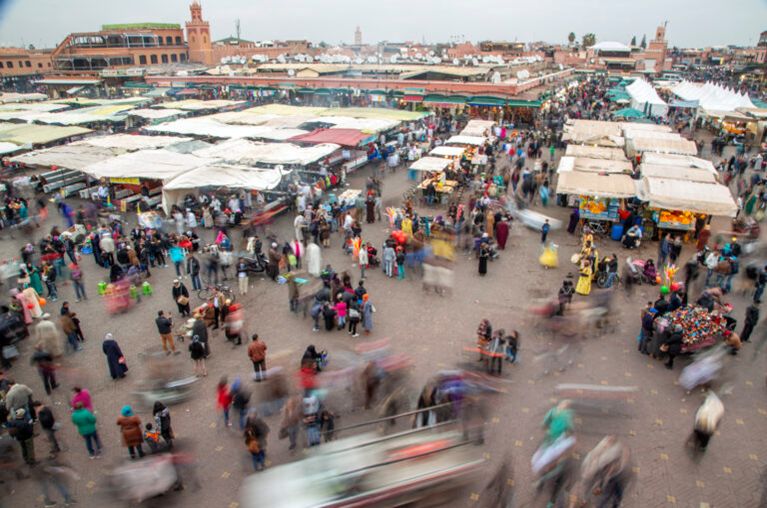
Urbanization is a trend marking this century. According to the United Nations, 55% of people, or 4.2 billion, lived in cities in 2018. Of these urban dwellers, 24% living in informal settlements or slums. By 2050, an additional 2.5 billion will live in cities. By 2030, there will be 43 megacities with populations of over 10 million people.[ii]
Another part of the world picture is the growing number of forcibly displaced persons, numbering over 103 million in mid-2022. Of these, 32.5 million are refugees, displaced from their countries.[iii]
Government restrictions on religion are increasing globally, limiting access for gospel transmission. The Pew Research Forum reported that in 2019, 29% of countries have high or very high restriction on religion, with three-fourths of the world’s population living in these countries.[iv]
Strategic Healthcare Missions
Strategic healthcare missions can be defined as initiatives related to physical, mental, emotional, and spiritual health that put believers into strategic contact with unbelievers. These are fully integrated into missions work which includes entry, evangelism, disciple making, healthy church formation, leadership development, and exit to partnership. Healthcare professionals are unique because they can cross every geographic, cultural, and economic barrier and get to spiritual conversation in minutes.
In his book Preach and Heal: A Biblical Model for Missions, Dr. Charles Fielding presents the ABCs of health strategies. These fundamental building blocks are important to keep in mind as we consider healthcare missions in the context of our world today. In brief, these basic components are as follows:
- A is for access to the unreached
- B is for behind closed doors
- C is for caring for the needy
- D is for making disciples
- E is for empowering the church[v]
Access
Access requires sustained presence in a community with a valid identity and reason to be there. Presence should be approved by appropriate government authorities. Access is achieved when the people are ready to listen to what the missionary has to say.
The role of healthcare in gaining access to restricted peoples and places is obvious. In one restricted country a physician became employed in a clinical practice that served the local wealthy, upper class population of a large city. His employment assured visa and government permission to work. He now had natural way to connect with a segment of that city that was unreached and closed to any other access. In addition to the patients he saw, he also gained access to the professional community in the city.
Behind Closed Doors
A physician and a physician’s assistant were living in a large city in the Muslim world with high maternal and infant mortality in that country. Their project involved home visits to pregnant women at least three times before delivery and once after delivery. During the time with the ladies in the home, the healthcare workers did checkups, gave basic health education lessons that would guide nutrition and prenatal care, and told Bible stories. In this safe environment, the women could hear about Jesus.
The phrase behind closed doors implies a place that is private and protected. In places where there are significant restrictions on religion, spiritual conversations are dangerous if overheard. Safe conversations can occur in a place where there will not be threat or interruption. Often, that’s a home, but it can also be in a clinic, tea shop, or a similar settings.
Caring for the Needy
Chronic noncommunicable diseases are the number one cause of death and disability in the world. These diseases result annually in 74% of deaths globally. More than three-quarters of these deaths are in middle- and low-income countries.[vi] Infectious diseases remain a global concern with tuberculosis, malaria, and HIV/AIDS leading the way.
The recent COVID-19 pandemic with almost 7 million deaths has heightened awareness of health issues. Mental health is also important, and includes our emotional, psychologic, and social well-being. One in eight people in the world lives with a mental disorder and most do not have access to effective care.[vii]
Healthcare professionals are trained to respond to these needs, and many are passionate to provide safe care which leads to physical and emotional health. Often, this care takes place in hospitals and clinics in both urban and rural settings.
Others may participate in community heath projects to provide grass roots health education which is important in prevention of disease and health maintenance. Those addressing mental health can be involved in trauma healing groups, counseling, addiction rehabilitation, and soul care programs. Still others can find ways to care through fitness and wellness centers which can provide those served a means for improved physical and mental health.
Making Disciples
A group of healthcare workers traveled village to village, often on foot. They told health stories related to local health needs such as malaria. Along with the health stories they told Bible stories and introduced people to Jesus. In just four years, there were believers in ten villages who were being taught more Bible stories. These new disciples began going to other villages telling the stories and their own faith stories, taking the gospel to others who had not yet heard. Then multiplication of disciples began to occur as people heard Good News and chose to follow Jesus.
Making disciples, a command of Jesus, is an essential part of healthcare missions strategy. The disciple is a Christ-follower, growing in his faith, becoming more like Christ, and multiplying. Disciples make more disciples. Healthcare workers can often be the first to initiate contact with unreached, unengaged people groups who may difficult to access perhaps due to war, poverty or disease.
Empowering the Church
Factory owners in a restricted country recognized that healthy workers are more productive. They invited missionary healthcare workers to conduct clinics in the factories and agreed to allow Gospel sharing stations that the patients could voluntarily visit after receiving treatment. The local church partnered in these clinics after being trained to share the Gospel. Through these clinics many heard and believed in Jesus. The local church partners then discipled these believers and assisted them in establishing new church fellowships.
A key part of empowering the church is the development of leaders. It also includes teaching, strengthening, and encouraging a local fellowship of baptized believers. The healthy church is engaged in worship, fellowship, mission, and caring for needs in the church body and in the community outside the church.
The ABCs in Practice
A Medical Clinic Opens Doors
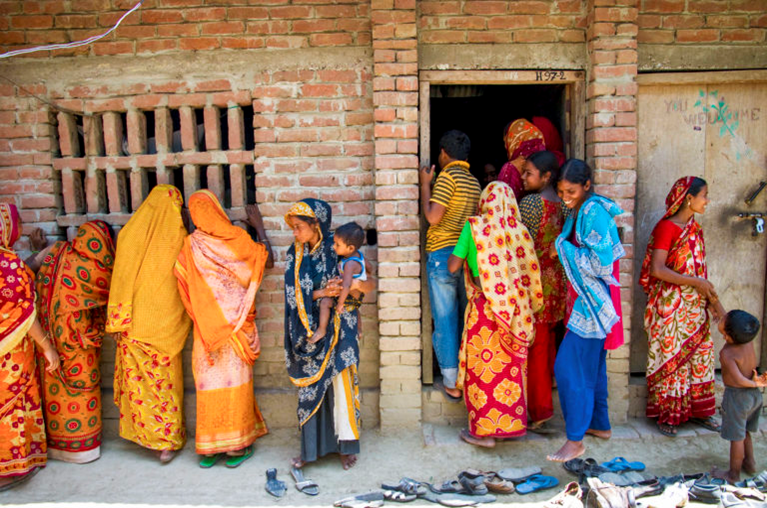
In a poor community on the edge of a megacity, village leaders were hostile to efforts to enter the village through a prayer strategy. They expressed to the workers that their need was for medical care. It was agreed that a free medical clinic would be planned, though the leaders said that gospel sharing could not take place in the clinic.
A short-term volunteer team of healthcare professionals arrived after careful preparation in prayer, and an announcement of the coming clinic was made by the workers and local national church partners. During the week, they treated many patients, and the leaders were grateful for the care. They agreed to allow follow-up visits.
Workers and volunteers returned to the village and made home visits, which included healthcare, prayer, and evangelism. As the visits continued, several people believed and were baptized, and a church began. The workers initiated more healthcare projects, and others also believed; the church grew and was strengthened. Then, some of these new Christ-followers went to neighboring communities and told them about Jesus. After five years, the original church had multiplied to the fourth generation.
All the ABCs appear in this story: access through the clinic, behind closed doors in the home visits, care for medical needs, disciples made, and through these, the church formed, was empowered, and is multiplying.
Meeting Jesus at a Mission Hospital
A mission hospital was begun to meet the health needs of the poor and to introduce people to Jesus Christ. A poor, illiterate woman from a rural area came to the hospital and was treated. While she was there, she heard about Jesus. A chaplain visited her in her village home and recognized her desire to learn more.
Over time, this woman believed in Jesus. She told her family and neighbors about him. After five or six of them believed and were baptized, a church began. This tiny fellowship first worshiped together under a tree. As the church grew, they built a small mud-brick building where they could meet.
God called a layman, an orderly in the hospital, to become their pastor. He was trained and guided by national partners. Ultimately, the church was able to build a permanent building for worship. This church has multiplied and is continuing to start churches in other surrounding communities where there is no church.
Areas of Growth
The diversity of the cross-cultural missionary force is rapidly increasing. More people are being sent from nations and churches in the Global South. This presents a great opportunity to train healthcare professionals and students in these nations who are Christ-followers to see their skills as a means to take Christ to the nations. And over time, more of these global partners are becoming the leaders in healthcare missions.
Another area of growth is in technology, particularly the use of telemedicine. During the COVID-19 pandemic, this became familiar and widespread. The experience and technology that resulted can now be used in many places. It is possible for a person with limited training to assess and examine patients as a remote provider participates in a physical examination via computer.
Telemedicine clinics are now being conducted in places that are otherwise inaccessible due to remoteness or war. Another development is the remote use of diagnostic tools which remotely transmit information to a remote provider. This has already allowed access to communities previously unreached, and disciples have resulted.
Another growing opportunity is in academics. Teaching in the medical, nursing, and allied health disciplines may allow access in restricted locations. This puts healthcare educators in direct contact with students allowing relationships to develop and conversations to happen behind closed doors. Some developing, restricted access countries are now wanting to develop medical education programs in their own nations, and outside help is needed to organize and begin this training.
Collaborative marketplace offerings in healthcare are a potential future growth opportunity which can combine business as mission with healthcare missions. For example, a sustainable healthcare business, based on local need and market and population, could be a way to enter a restricted access place. Putting together teams of professionals from business, administration, and healthcare could result in providing a healthcare service, supporting its costs, providing some jobs to local people, and giving opportunity for the gospel to have access.
Healthcare Missions Remains Viable
God is transforming lives as workers engage cross-culturally in healthcare missions. Knowing this to be true and keeping in mind the twenty-first century world as we described it, what can we say about the future of healthcare missions?
Healthcare missions in the twenty-first century remains viable and strategic. We have a biblical mandate and model in Jesus to meet physical needs. Today, health strategies in missions are much more diverse than in the past two centuries. The evolution of new strategies will continue as we face the challenges of the coming decades.
The need for hospitals and clinics in certain locations will continue. In other places, community health and development work are most important. Population segments such as refugees and slum-dwellers need these basic services. Mental health care is also essential in all parts of the world, rich and poor alike.
There are more lost people, separated from God, in our world today than ever before. The unfinished task before us is urgent. The answer to the problem of lostness is the gospel. Healthcare is an avenue for spread of the gospel. And we anticipate that day when a multitude from every people, tribe, language, and nation will be gathered before the throne knowing and worshiping the Lord Jesus Christ.
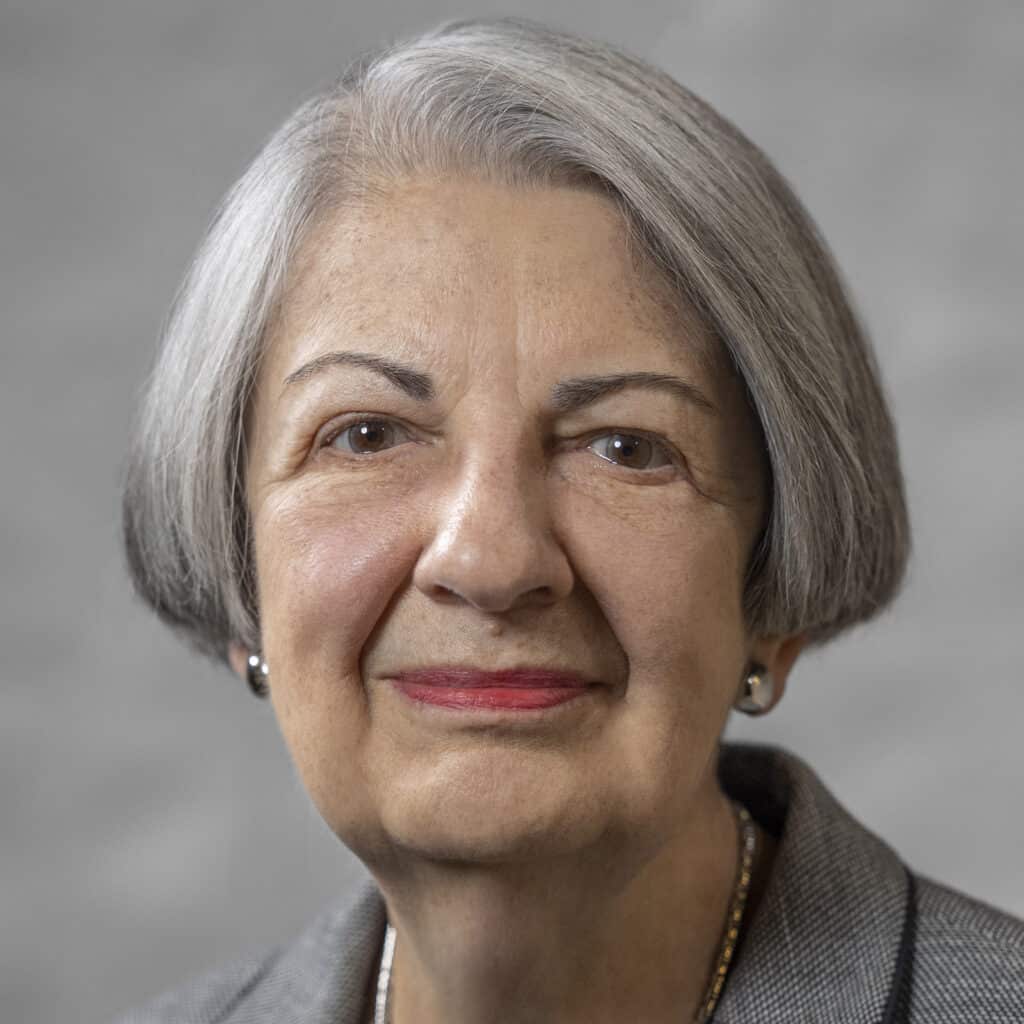
Rebekah Naylor, MD, (rnaylor@imb.org) completed fifty years of service in healthcare missions and was missionary surgeon at Bangalore Baptist Hospital, Bangalore, India. Subsequently, she has directed global health strategies for the Southern Baptist International Mission Board. Her recognitions include the Surgical Humanitarian Award given by the American College of Surgeons, an honorary doctorate of missiology from Oklahoma Baptist University, and an appointment as distinguished professor of missions at Southwestern Baptist Theological Seminary.
[i] “People Groups,” accessed June 1, 2023, https://www.peoplegroups.org.
[ii] United Nations Department of Economic and Social Affairs, “68% of the world population projected to live in urban areas by 2050, says UN,” published May 16, 2018, accessed June 1, 2023, https://www.un.org/development/desa/en/news/population/2018-revision-of-world-urbanization-prospects.html.
[iii] UNHCR, “Refugee Data Finder: Key Indicators,” accessed June 1, 2023, https://www.unhcr.org/refugee-statistics.
[iv] Samirah Majumdar and Virginia Villa, “Globally, Social Hostilities Related to Religion Decline in 2019, While Government Restrictions Remain at Highest Levels,” Pew Research Center, September 30, 2021, accessed June 1, 2023, https://www.pewresearch.org/religion/2021/09/30/globally-social-hostilities-related-to-religion-decline-in-2019-while-government-restrictions-remain-at-highest-levels/.
[v] Charles Fielding, Preach and Heal: A Biblical Model for Missions (Richmond, VA: International Mission Board, 2008).
[vi]World Health Organization, “Noncommunicable Diseases,” September 16, 2022, accessed June 1, 2023, https://www.who.int/news-room/fact-sheets/detail/noncommunicable-diseases.
[vii] World Health Organization, “Mental Disorders,” last modified June 8, 2022, accessed June 1, 2023, https://www.who.int/news-room/fact-sheets/detail/mental-disorders.
EMQ, Volume 59, Issue 4. Copyright © 2023 by Missio Nexus. All rights reserved. Not to be reproduced or copied in any form without written permission from Missio Nexus. Email: EMQ@MissioNexus.org.