EMQ » July–September 2023 » Volume 59 Issue 3
[mepr-show rules=”100329″]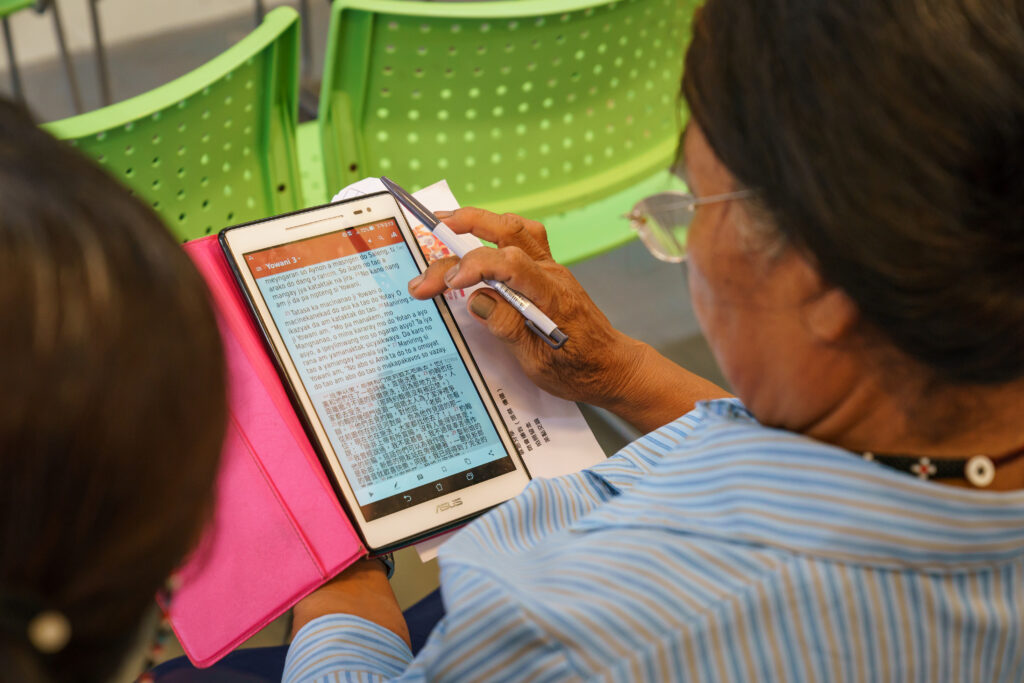
Summary: Traditional and embodied missions methods are not always possible among the least reached communities. Digital distribution of Scriptural content, when driven by sound missiology, can bridge this gap. Missionary technologists have a unique opportunity to help missionaries use this powerful and effective means for evangelism and discipleship. When they use their skills in this way, they become frontline contributors in church planting efforts amongst the world’s least reach peoples.
By D. B. Brown*
Christians are sure that people of every tribe, tongue, people, and nation will worship God. Although this idea is by no means exclusive to the book of Revelation, John perhaps communicates this point most clearly in his apocalypse (Revelation 5:9; 7:9).i
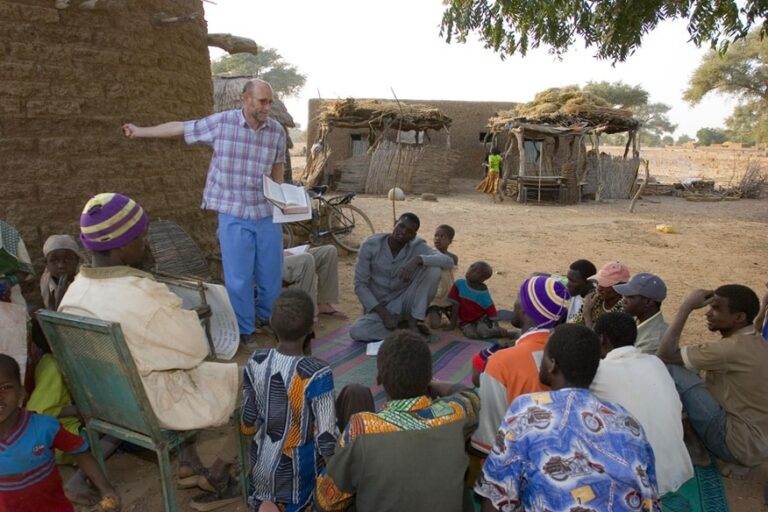
Today, certain ethno-linguistic people groups still know little about Christ and some lack any access to learn about who he is. Surveillance, war, political tensions, geographic isolation, and more in the homeland of these least-reached groups can present challenges for church planting.
Ideally, the gospel is proclaimed in embodied, face-to-face communication.ii But in places where the church is small or non-existent, mediated communication forms, such as online messaging platforms or mobile applications, can significantly aid church planting efforts.
Normalizing Technology
I once heard a media ecologist define technology as anything new during our lifetime. Using this model, smartphones fit squarely within the category of technology for Millennials, but TVs and steamboats do not. Yet we must recognize that nineteenth and twentieth century inventions were groundbreaking technologies in their day.
Even simple tools, such as hammers or wrenches, were novel at one time. If we work with this idea that tech is anything new in our lifetime, then we must recognize that technology is not a new actor on the stage of global missions. Missions in past generations was not devoid of technology. Whether it was tools, medicine, the printing press, or something else, earlier missionaries leveraged the technologies of their time periods for kingdom purposes.
Smartphones and social media are part of this generation’s technology, along with electric cars and air fryers. The conversation in the context of global missions is not about tech versus no tech. Instead, it’s about new tech versus older tech. When we look at it this way, it can help us normalize the use of smartphones and web interfaces for church planting. Whereas radio once aided evangelism in remote regions (and still does in some places), so smartphones and messaging applications are now vehicles being used to provide access to the Christian message.
Commit to an Inside-Out Not Outside-In Approach
Derekiii is a respected practitioner serving in a high security region. He taught me the language of inside-out and outside-in. What this means is that the content we create and distribute should be curated by missionaries who have a deep understanding of the target people, including language and culture. Before we consider delivering Christian content to unreached peoples through digital means, we must first slow down to understand the needs of specific ethno-linguistic groups.
An outside-in approach imports content or methodology from one context into another. It is a low-cost solution to the missionary because it does not require a deep understanding of the target group.
On the contrary, an inside-out approach comes at a high cost to the missionary because he or she must go through the hard work of learning the language and culture. But the content that the inside-out missionary creates has a far better chance at meeting the target group’s needs, addressing the questions that they are asking, and speaking the gospel in a way that hearers will understand.
This missiological commitment to an inside-out approach has profound effects upon media ministry. It means that scalability and scope of reach cannot be the technologist’s highest values. An inside-out approach puts guardrails around what content we distribute digitally and how we distribute it among the unreached. When our highest value becomes communicating the gospel in a meaningful way for each people group, we may have to work slower than we often tend to do.
This commitment also affects how we define if someone is reached or meaningfully engaged with Scriptural content. It means that clicks, views, and advertising metrics are not necessarily synonymous with unreached peoples hearing the gospel in a way that they understand.
Missiological reflection should cause media ministries and technologists alike to think very carefully about what they are promoting and how they are promoting it. Theology frames digital ministry by leading us to consider particular field contexts and commit to creating and distributing content that is built by people from within that culture or missionaries serving those specific communities.
Finding the Digital Gap: Digital Scripture Engagement for the Least-Reached
I help facilitate a small network of technologists. We’ve adapted a handful of missiological principles to undergird our work in missional technology. For example, we do not want to import translated content from other cultures. Additionally, we build relationships with missionaries who have Scriptural content, including oral or written overviews of Scripture, artwork, hymns, and music created in that culture.
As we get to know these missionaries, we arrive at a place of understanding that they use an inside-out approach. This means that they have a deep understanding of language and culture, so we can trust that the content they create is aimed at the real needs of the target people.
Sometimes an existing website, social media tool, mobile app, or other type of existing technology can meet a missionary team’s digital distribution needs. Christian tech groups or media ministries may be able to help missionaries connect with the right existing technologies to meet their needs. However, other times, missionaries have a digital distribution gap that cannot be adequately met by existing solutions.
After spending several years asking missionaries working among least-reached people groups about their digital distribution needs, our network began to identify common technological gaps. Many of these communities involve oral-preference learners who have little exposure to Jesus.
Many missionary teams already have oral-based content that gives an overview of redemptive history and introduces people to Christ. This can be helpful for individuals and communities that do not know any Christians. But this material often lacks adequate digital distribution. It is the digital equivalent of printing Christian books that sit unread on shelves in a storage unit. In the same way, we need to ensure audio and video resources are getting to their intended audiences.
Even if digital Scripture-based resources are available, they are often only available on catch-all mobile apps that put hundreds or thousands of languages in one place. A person seeking to know more about Christ or a new believer wanting to engage with Scripture can become frustrated trying to sort through huge lists of written languages to find their own. They often give up.
An inside-out solution could be a customized app for a specific language group. The Scripture App Builder (SAB), for example, can be sufficient for many Scriptural resources. But it has limitations. It may not provide a home for all Scripture-based materials available in a language. And it can encounter difficulties correctly displaying certain scripts. In fact, we recently discovered a large unreached language group that still needs an engineering solution in order for their language’s custom app to display the text correctly.
People in countries where access to Christian materials and Scriptures is illegal or restricted also have special technological needs. We found that many people in these places have smartphones and data even in remote areas, especially in Asia. But in sensitive contexts where phones can be confiscated and searched, some technical tools may not have adequate security features to protect users. More research is needed to under understand the technological gaps in these contexts.
Other technological challenges may be present in places where people do not have regular access to electricity or have an unreliable connection to the internet. Perhaps use solar power to recharge devices like smartphones, which limits their access to these devices on days without adequate sunlight.
These technological gaps provide opportunities for missionary-technologists to use their gifts for frontline work. Their partnership with missionary teams can help them discover the best means of digital distribution for Christian materials and Scriptures.
An Example Solution: A Shared Code Base Plus Flavors
Solutions need to balance both scalability (wide reach) and context-specific content (delivering content that looks and feels local to the target audience). Because it is not feasible to build a custom application from scratch for each project, one solution we created is a shared code base.
The code base has certain features, such as an audio player and displaying artwork, that can be toggled on and off. Then we built what we call flavors – app components that can be customized for each project. Flavors might include the color scheme, text display styling, and other elements that make the app look and feel native to the target audience.
Reaching the Least Reached Through Technology
Although face-to-face gospel proclamation is ideal, some unreached contexts also warrant the use of digital evangelism and discipleship. As technology has progressed over time, so has the application of that technology in missions.
We best apply today’s technology to mission when we use an inside-out approach. This begins with developing a deep understanding of a community’s context, culture, and needs. Then it involves creating content and distribution strategies that help a people hear the gospel in a way that they understand.
Sometimes existing technical tools provide satisfactory solutions. Other times, gaps remain in digital distribution that can only be filled with custom-built technology. Using a shared code base is one way to create more customizable apps without building them from scratch.
Missionary-technologists have much to offer to fill these gaps in the frontline work of communicating Christ in unreached contexts. Working together, we can write clean code that helps the gospel to spread to every corner of the globe and use our gifts in technology to benefit the nations.

D.B. Brown* (upstream.code@gmail.com) facilitates a small network of technologists who build digital solutions for church planting efforts among unreached peoples. He has a decade of experience serving in ministry and holds a Master of Divinity. D.B. lives in a Buddhist context in Asia.
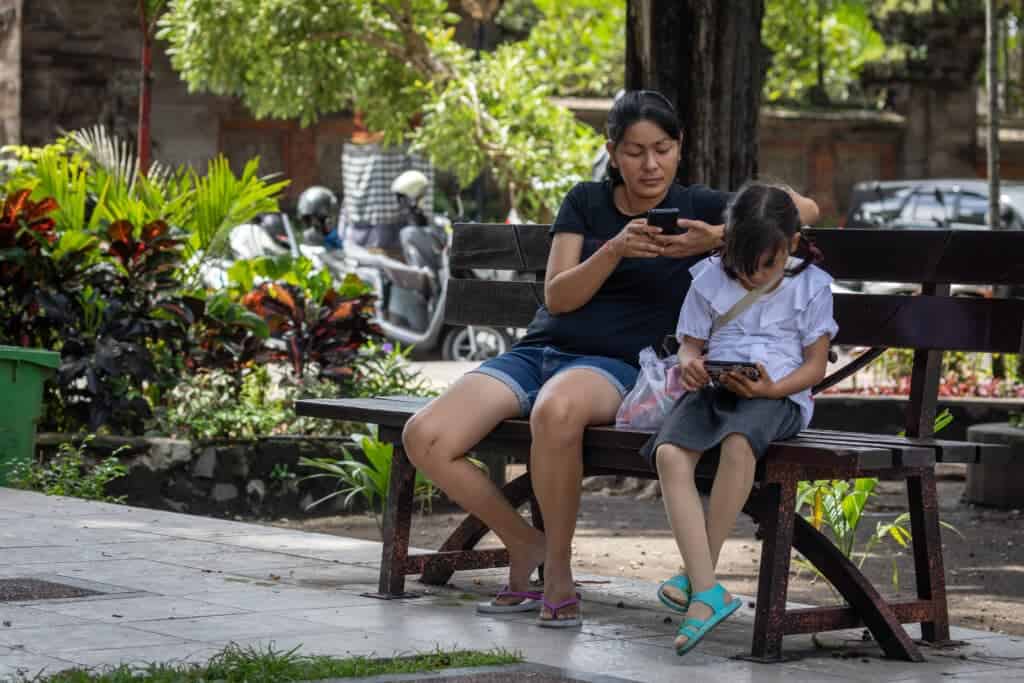
*Pseudonym. Photo is representative.
EMQ, Volume 59, Issue 3. Copyright © 2023 by Missio Nexus. All rights reserved. Not to be reproduced or copied in any form without written permission from Missio Nexus. Email: EMQ@MissioNexus.org.