EMQ » April–June 2022 » Volume 58 Issue 2
By Dennis Martin
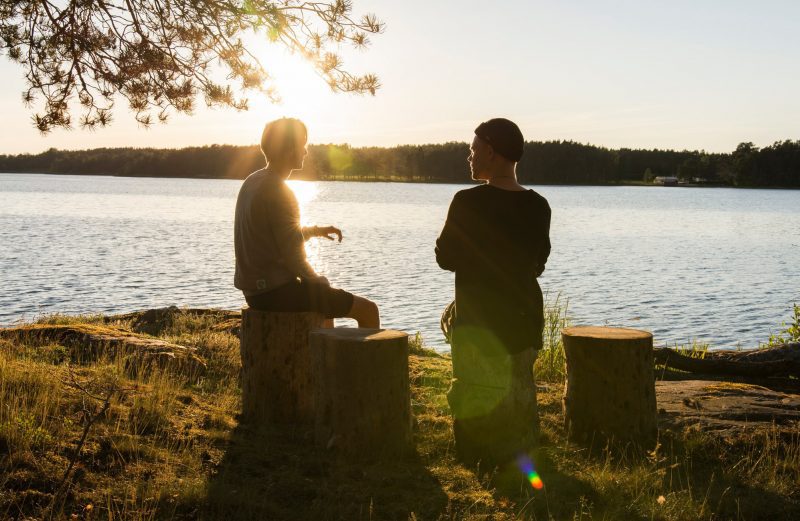
People in ministry can struggle with sexual brokenness like anyone else. However, fear and shame can be even bigger obstacles for them. Consider the following examples which occur to both men and women serving as missionaries:
- A missionary struggles with pornography as disillusion about ministry strategy and lack of fruitfulness sets in. She desperately desires to resist pornography’s pull but is ashamed to ask anyone to walk with her.
- A missionary experiences same-sex attraction and is committed to celibacy. However, he feels unable to confide this to any of his colleagues.
- A missionary parent has a child confused about gender identity. She resists turning to anyone for advice and support.
- A missionary wrestles with lifelong trauma resulting from being sexually abused as a child. His solitary suffering remains hidden.
In each of these examples, shame is lived in silence, and each person walks alone in their brokenness. As missionaries, the fear of consequences for sexual brokenness, often labeled as moral failure, makes it unthinkable to ask for help. What would happen to my reputation? Would the cause of Christ be damaged? Would my family be obligated to leave our adopted country, the first home for my children? Would I be fired?
Living overseas brings with it unique and significant challenges. Tony Bordenkircher, a licensed marriage and family therapist, puts it this way:
Those of us living and working overseas in a cross-cultural context are not immune …. Separated from important community and relationship resources, plunged night and day into a new and taxing world, and working for the good news against seen and unseen forces bring up all sorts of stressors and fears.[1]
Most mission organizations wonder how to effectively come alongside their missionaries in the arena of sexual brokenness. Is it possible to break the silence and start the conversation? Could you actually transform your organization?
Isolating Burdens
Culture is extremely powerful. Church culture over the years has disqualified people from ministry for moral failure, a term usually used to describe sexual sin. The Church has not known how to walk with ministers and laypeople alike toward sexual health. Parents have few examples to draw upon and end up giving little guidance to their children. This is an all too familiar cycle for many of us that has continued for generations. It has resulted in creating a powerful culture of shamein relation to sexual brokenness.
This is not what Jesus would intend for us, his bride, when we are encouraged to bear one another’s burdens, to confess sin one to another, and to restore one another when caught in sin’s grasp in a gentle manner. The Church has before it the unique opportunity to change its culture, to learn how to come alongside the isolating burdens of all forms of sexual brokenness.
Although sexual brokenness encompasses much more than pornography, the conversation often begins there. Josh McDowell made this appeal to the Church a few years ago:
Pornography is causing a lot of people to fail, to drop out on their faith …. I think this is one of the greatest threats to the cause of Christ today, because it undermines a believer’s walk with Christ and his or her beliefs …. Somehow, we’ve got to get the leadership in the body of Christ addressing this.[2] (emphasis added)
Yes, We Must Do Something Different!
A few years ago, we at One Challenge learned of another mission organization that had been addressing this need for the past decade. We were amazed and compelled to ask if they would be willing to help us do the same. They very eagerly did so, and thanks to their incredible generosity, three years ago we launched a Sexual Wholeness Initiative (SWI) to change our organizational culture. We started the conversation.
- SWI Vision: Generations of laborers living and ministering out of sexual wholeness and relational health in Christ.
- SWI Mission: Create a climate of openness, safety, and redemption. Equip our staff to integrate sexual wholeness into our ministry efforts.
SWI has two main components:
- COMBAT a culture of shame so that no member walks alone
- ESTABLISH a common language of grace that is restorative rather than punitive
Combatting a Culture of Shame
The term accountability has been around for a long time, but it has become encumbered with negative baggage. Michael Cusick in his book, Surfing for God[3] thoughtfully interacts with this challenge and compares what he calls cop vs. coach vs. cardiologist accountability. He describes cop accountability as turning oneself in for sin and is focused on sin management.
Coach accountability is a try harder approach and produces a gospel of inspiration. Cardiologist accountability is about the transformation that takes place when we allow God and a few others to walk into the messiness of our lives, focusing not only on behavior but also on the condition of our hearts.
We spend a significant amount of time upfront communicating this to our existing and new members as a critical foundation. To combat some of the negative baggage, we’ve also dropped the word accountability and renamed it allies. It is a fresh expression of what makes accountability relationships both effective and healthy. We focus not on sin management, nor a gospel of inspiration, but on practicing the one another’s that Jesus gives his bride so that we are not alone, our stories are heard, and we walk with one another.
An ally relationship(s) is encouraged for every one of our members. It is not only for those encountering a current struggle. Our president and executive leadership team took the lead in initiating ally relationships. They encourage all One Challenge members to do the same. Honesty about sexual brokenness can be part of these relationships, but they by no means end there.
One colleague shares this:
The SWI program has really opened my eyes to the benefits and needs for an Ally, not just for sexual issues. Like most of us, I struggle in other areas that bring guilt and shame. In discussing the allies concept with an SWI team member, I mentioned that I could not think of anyone with whom I would feel comfortable sharing my struggles.
Later that week, as a colleague and I were talking, the need to confide in someone came up, and they ended up asking me if we could journey together as allies.
This relationship has been a gift from God! My colleague (friend) and I have found a safe place to share. We have broken our silence, and we are no longer walking through our struggles alone.
Establishing a Common Language of Grace
We have adapted a Standard of Conduct Policy so that it clearly describes what opportunities are available for help, support, and restoration. We also developed two important organization-wide resources: our Guide in Coming Alongside Sexual Conduct Issues and a Guide for Caregivers.
Dean Carlson, One Challenge president, communicates it this way, “As an organization, we want to be a safe place where people can be real with sexual brokenness and receive loving, practical support in their journey toward wholeness in Jesus.”[4]
Because culture is powerful, changing culture is challenging and takes time. In the experience of our mission organization and the organization from which we learned, years of small steps must come first. We began by communicating the SWI principles. These were heard, then trusted, and then acted upon. This resulted in a safe environment for us to share our stories. Grace and redemption became more commonplace. The safe places and the safe conversations multiplied.
As our missionaries overcome their shame and break their silence, they begin to journey with one another rather than alone. In this healing culture, individuals journey together in overcoming pornography. Parents talk more readily with one another, receive resources to raise their families, and their children’s emotional health improves. Broken marriages receive help. Issues are often brought into the open before more serious problems develop. And when more significant challenges arise, the restoration process could potentially take place in the country of service, determined on a case-by-case basis. We are seeing definite progress. I see our Shepherd working through SWI to lead us in paths of righteousness for his name’s sake (Psalm 23:3). Amen.
We Want to Help You
As One Challenge has received from others, we now seek to come alongside the greater mission community to help foster culture shifts that create safety to start shame-breaking conversations. Yes, organizational cultures are hard to change, but Jesus is calling us to turn this tide. Let’s do this together! We’d love to journey with you as you pursue this for your organization. Learn more on our website: www.onechallenge.org/2019/08/27/the-sexual-wholeness-initiative-combating-a-culture-of-shame.
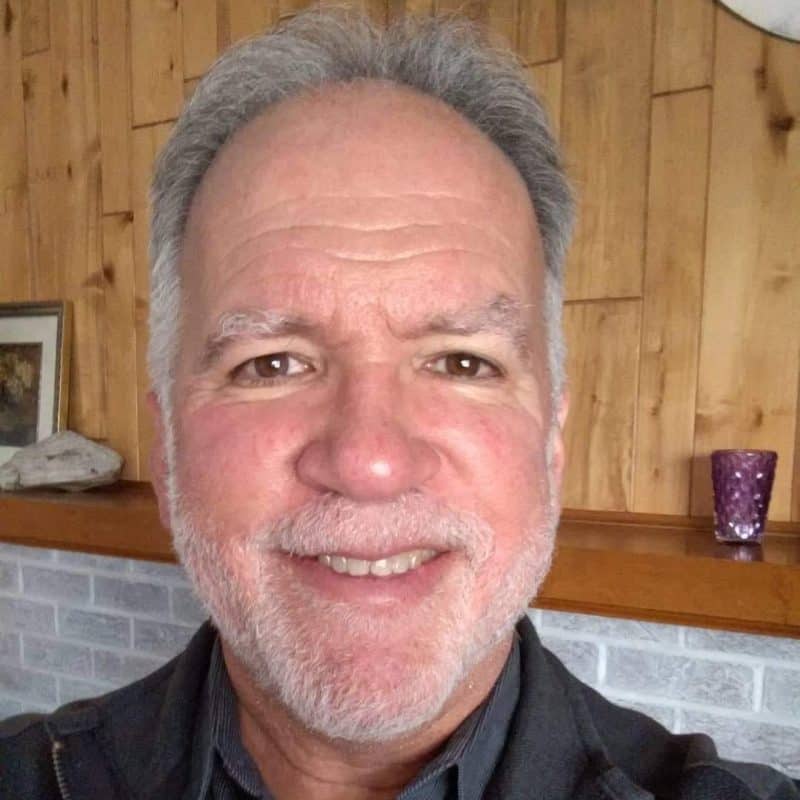
Dennis Martin (swi@oci.org) is the director of sexual wholeness initiative, a ministry of One Challenge. He is grateful to experience a freedom in Christ which he had previously lost hope of attaining this side of heaven. His life’s passion is to walk with Jesus’ bride toward sexual wholeness. He and his wife, Jeannie, raised three daughters in France during 20 years of missionary service with Encompass World Partners. They now reside in Colorado Springs, Colorado.
[1] Tony Bordenkircher, “Cross-Cultural Addict” Olive Tree Counseling Center, accessed December 17, 2021, https://olivetreecounseling.org/cross-cultural-addict/.
[2] Daniel Darling, “Digging for Truth,” CT Pastors, April 30, 2015, accessed December 17, 2021, https://www.christianitytoday.com/pastors/2015/april-online-only/truth-for-new-generation.html.
[3] Michael John Cusick, Surfing for God: Discovering Divine Desire beneath Sexual Struggle (Nashville, TN: Thomas Nelson, 2012).
[4] Sexual Wholeness Initiative brochure, https://www.onechallenge.org/wp-content/uploads/2020/10/SWI-brochure-2020.pdf.
EMQ, Volume 58, Issue 2. Copyright © 2022 by Missio Nexus. All rights reserved. Not to be reproduced or copied in any form without written permission from Missio Nexus. Email: EMQ@MissioNexus.org.