
The Importance of Using Indigenous Languages
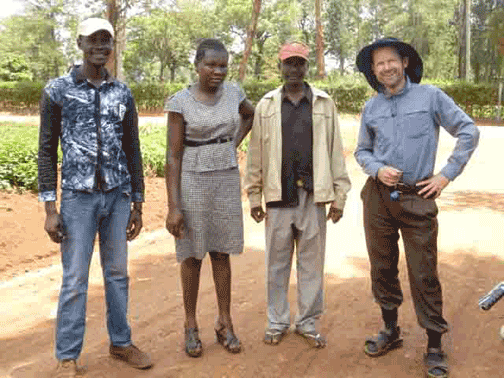
Your language is valuable,” I told the young people gathered at the conference. It was the annual youth event for a particular denomination held in Kenya in August 2016. Around one hundred youth attended. After explaining the value of their language to them, I asked them a question, in answer to which I expected them to confirm that they appreciate their own languages. A senior church leader, also in attendance at the conference, answered in their place. In short, his answer was, “We should not value our languages.”
Engaging Sinbad City: What Research Shows About God’s Work among Workers in the Muslim World
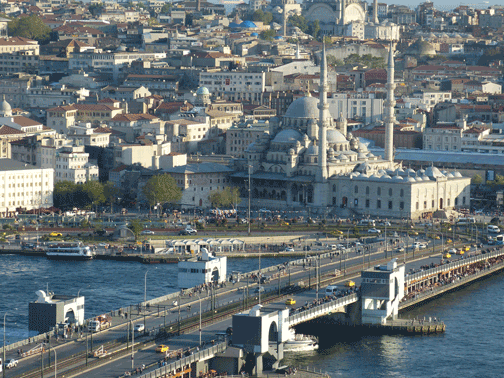
The world missions community has spent the past thirty years or so establishing footholds in many parts of the Muslim world. But now, unbeknownst to most of our church friends at home, some of those very cities have hundreds of workers in them.
The Gospel in a Plural World: Interrogating the Relationship between Proclamation and Compassion
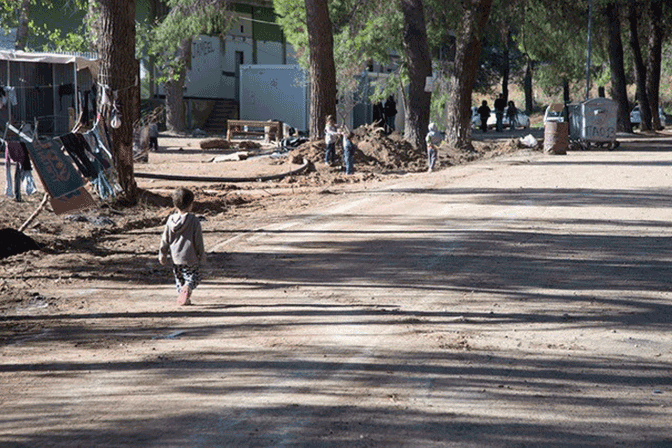
A recent conversation about global ministry among the poor provoked me to further thinking about missions and compassion. A certain Western Christian humanitarian missionary in an impoverished Majority World context described herself as called to be the “hands and feet” of Jesus, in extending mercy to the least, the forgotten, and the marginal. To that extent, she is a wonderful model—she extends the compassion of the Good Shepherd by way of (physically) rescuing, housing, feeding, and educating vulnerable children and orphans.
Soils for Church Growth: What the Research Says about Persecution, Wealth, and Happiness
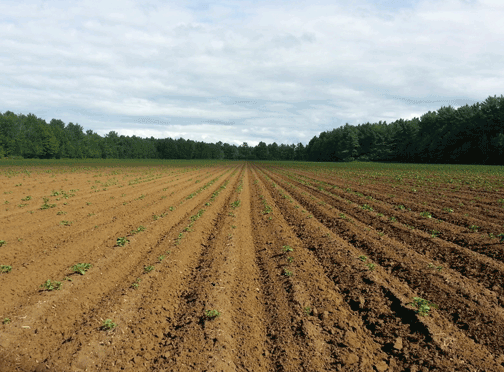
Stanley Hauerwas has suggested that the Parable of the Sower in Matthew 13 can be applied to a study of church growth in various cultures (Hauerwas 2015, 129-130). In particular, he suggests that wealth and the fear of persecution are hindrances to church growth. This article explores whether there is any statistical data that either support or refute this suggestion.
Touching the Heart of Gulen: Gospel Pathways for Reaching the Movement
The July 15 coup in Turkey has brought the name of Fethullah Gulen and the movement which bears his name to the attention of the international community. On an almost daily basis, we read news reports of Turkey’s President Recep Tayyip Erdogan, blaming Gulen for fomenting the coup and calling for his extradition from the United States. Since the late 1990s Gulen’s hizmet (service) movement has been very active in the U.S., running a network of 146 charter schools1, about 50 local interfaith dialogue groups and numerous cultural centers across the country. (C.A.S.I.L.I.P.S. 2014).
Reflections on Short-Term Missions
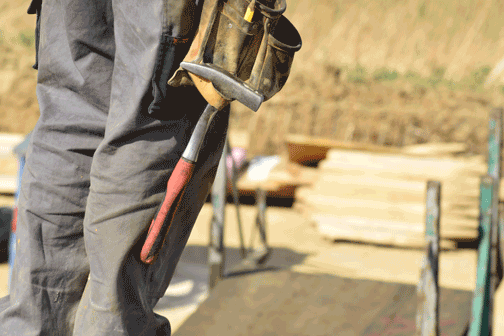
A few years ago, fifteen to twenty people travelled from the United States to another country to build a village house for a missionary family. Many of the participants had construction experience. The building project lasted several weeks. By the time these Americans left, the village house was almost complete.
Deliberately Dependent: Lessons from Costa Rica about Community & Leaning on God and Others

We were in our 20s, newly married, and fresh out of El Instituto de Lengua Española in Costa Rica when we began working way up in the mountain village of San José de la Montaña at Camp Roblealto. On Sundays, especially, we missed gathering at one of our family’s homes for Sunday dinner back in the States. We reminisced about the big pot of sauce with sausage and meatballs, raviolis, salad, and bread from Modern Bakery in Lodi, N.J. Equally, we sometimes found ourselves craving a turkey dinner, stuffing, mashed potatoes, and potato rolls.
Managing Trauma’s Effects on the Practitioner (as tested and tried in Rwanda)
To appreciate the scope of the Rwandan genocide is difficult; in terms of human and material loss, it equated to three New York Twin Tower collapses per day for one hundred consecutive days without the external logistical and emergency medical support which accompanied that disaster. Over 800,000 Rwandan people died, both Tutsi and moderate Hutu, mostly by hand-held weapons, in 100 days among a population of seven million living in an area the size of Maryland.
Beyond ‘People Groups’: Why the Term ‘Communities’ May Be Preferable
Decades ago, it used to be that interested people would ask about our “country of service.” But over time, the question morphed into “What people group do you work among?” For quite some time, the status quo for presenting the missionary task has been ‘reaching people groups’, or rather, reaching the ‘unreached people groups’ (UPGs).
Gratitude
The Christian life begins as the Spirit of God grants us recognition of our guilt, followed by a work of grace received by faith in the finished work of Christ. It is completed on this earth by the response of a life of gratitude, which in turn is a foretaste of the glory we will ultimately experience in God’s presence. Of that fourfold process—guilt, grace, gratitude, and glory—the part that is perhaps least understood and embraced is gratitude.